
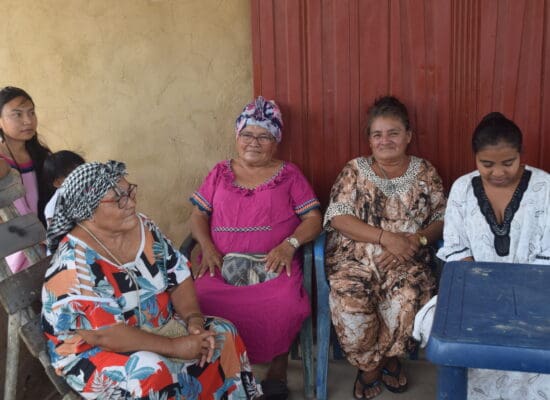
Although the Colombian state is responsible for guaranteeing reliable and equitable energy services nationwide, deep territorial and social inequalities are still reflected in the country’s electricity system. The National Interconnected System (SIN), which covers one third of the territory, supplies 96% of the population, while an additional 0.5% of the population is served through isolated local systems in “non-interconnected zones” (ZNIs). The remainder of the population lacks access to electricity entirely. Rural areas, in particular, face unreliable and costly services; subsidies are failing to offset the high costs in non-interconnected zones, while the rollout of renewable energy has been slowed by regulatory bottlenecks, territorial conflicts, and challenges in gaining social acceptance.
In addition, the historically coal-dependent regions of La Guajira and Cesar, responsible for over 35% of regional GDP and up to 70% of Colombia’s coal exports between 2016 and 2020, are strongly affected by global market shifts and declining demand. These external factors have triggered production cuts and job losses, with companies such as Prodeco (in Cesar) scaling back operations, leading to massive lay-offs and reduced revenues for local government. In response, labour unions have successfully advocated for job protections in Colombia’s national development plans, and in 2025, the Constitutional Court ruled that mining companies must engage in participatory processes with affected communities before closing mines.
Against this backdrop, energy communities are emerging as a strategic approach to making the system more inclusive and just—by expanding access to affordable, reliable, and sustainable energy; by electrifying underserved areas; and by strengthening local economies through productive uses of energy. Beyond improving service delivery, energy communities foster social empowerment (among Indigenous, Afro-descendant, and farming communities, in particular); improve local governance; and accelerate a just energy transition, especially in coal-dependent regions. By collectively generating and managing renewable energy or batteries, communities can strengthen energy sovereignty, reduce emissions, and create new income streams through shared ownership.
Recent policy advances have strengthened this model. Decree 2236 of 2023 recognised energy communities as legal entities for collective or distributed generation, while Resolution 40509 of 2024 created the Single Registry of Energy Communities (RUCE) and criteria for public funding. The most recent milestone came in 2025, when the Colombian regulatory authority on gas and electricity (Comisión de Regulación de Energía y Gas, or CREG), issued Resolution 101 072, setting out the rules for grid integration, surplus energy sales, interconnection, and tariffs.
How is IKI JET supporting energy communities?
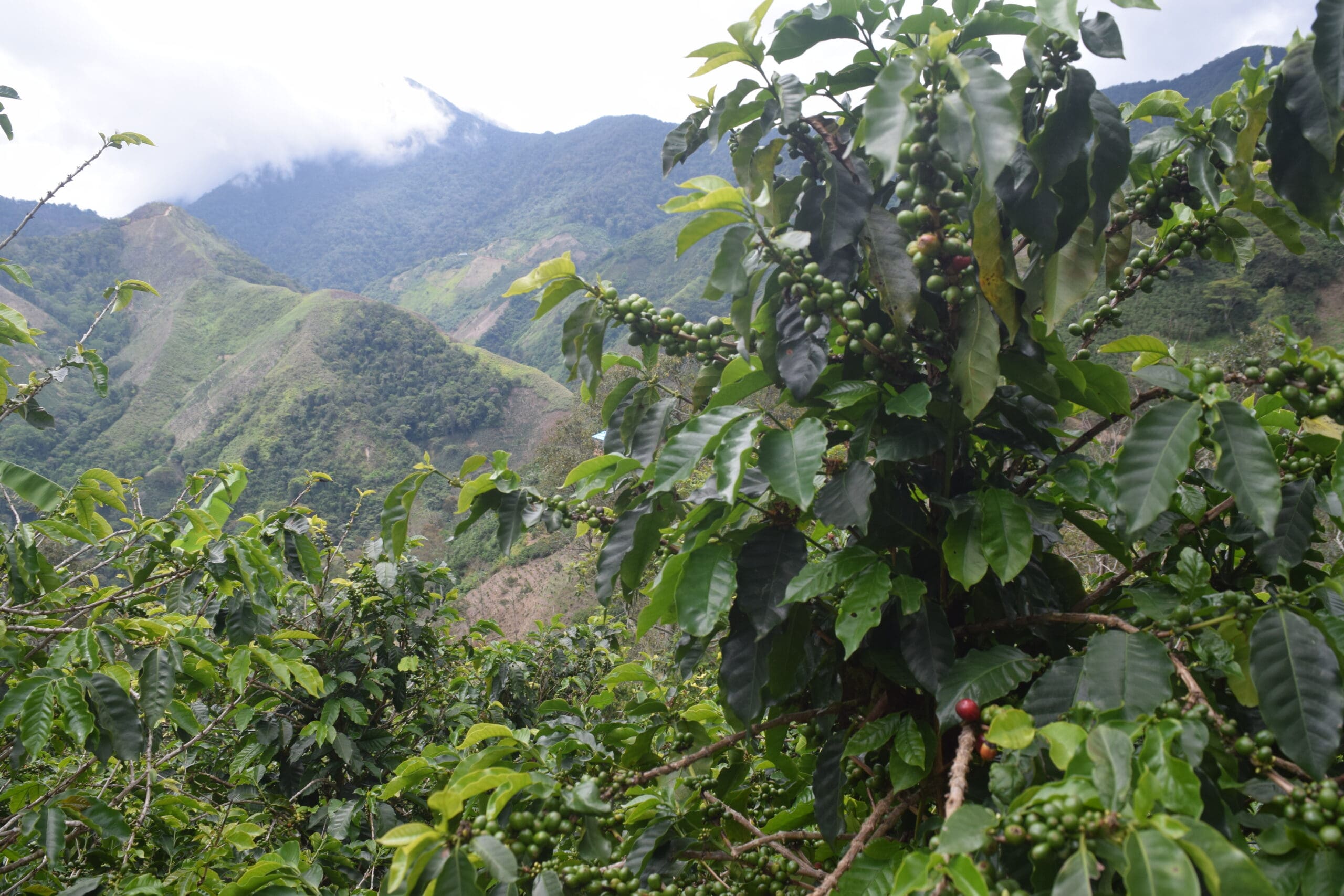
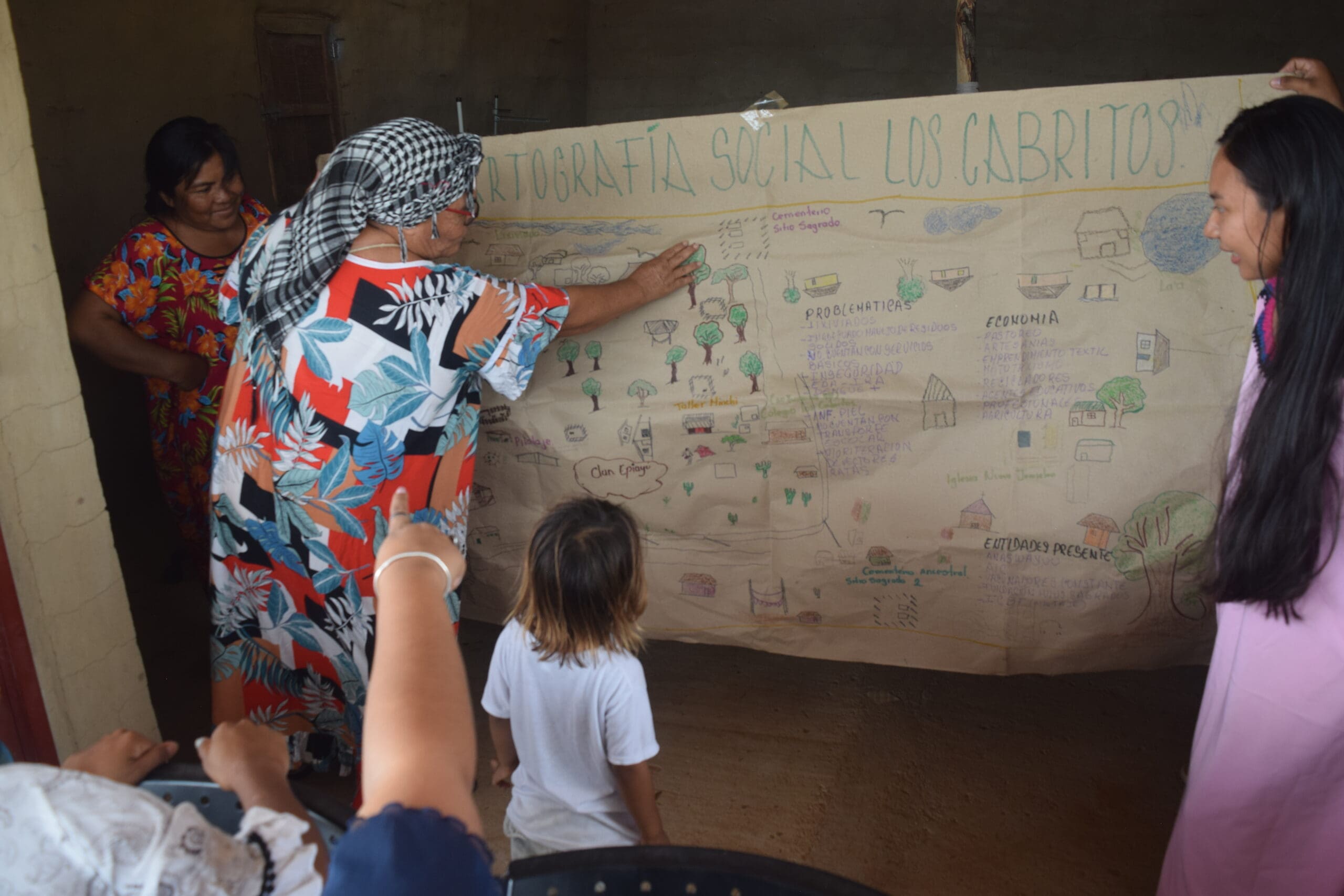
The Deutsche Gesellschaft für Internationale Zusammenarbeit (GIZ) in Colombia, as part of the Innovation Regions for a Just Energy Transition (IKI JET) project, aims to support the development of energy communities in Colombia. To achieve this, GIZ Colombia is developing life plans—community-designed roadmaps that set out long-term priorities for wellbeing, territory, and livelihoods—for vulnerable communities lacking reliable access to energy. GIZ Colombia is also conducting technical and financial evaluations for energy solutions and proposing improvements to the business models for productive activities—such as fishing, handicrafts or coffee cultivation—in these vulnerable communities. Ultimately, these efforts will lead to the formal inclusion of two energy communities in RUCE, the government’s register of energy communities.
As a start, the project has identified several communities that are suitable to work with, based on a clear set of criteria. In close partnership with GIZ Colombia these communities are now developing empowerment plans centred on specific individual productive activities. These plans are helping communities envision their future in line with their needs, priorities, and aspirations. In parallel, financial and technical solutions are being evaluated to strengthen communities’ current activities, support the development of new ones, reduce costs, create additional income opportunities, and, whenever feasible, facilitate the sale of surplus energy to the grid.
Complementing these efforts, GIZ Colombia is also seeking to build and expand the knowledge of energy topics (in particular, just energy transitions and energy communities) within the participating territories. A capacity-building programme will be delivered to selected community members through a train-the-trainers approach, so that knowledge can be replicated and widely shared within the communities. In addition, a community of practice will be established in La Guajira and Cesar. This will create a space for communities to exchange their experiences, discuss the challenges, strengthen any weaknesses, and address priority areas, while highlighting successful practices that can be replicated in similar contexts.
IKI JET’s model for inclusive and sustainable energy communities
According to the working definition used by GIZ Colombia, energy communities are social structures with robust governance (based on written rules or traditional practices) organised around a productive activity in which energy acts as a catalyst to improve quality of life and equity. Many existing energy communities face difficulties in realising their full potential due to weak governance, unstable income flows, low payment discipline, and insufficient reinvestment.
To counter these issues, the IKI JET project supports communities that demonstrate:
- Strong governance structures with clear rules and effective decision-making
- Engagement in productive activities that generate income
- Capacity to own and manage an energy system (as a formal legal entity), whether in the SIN or a ZNI
The sustainability of these communities rests on two core pillars:
- Financial sustainability: achieved through surplus energy sales (when connected to the SIN); the strengthening of productive activities; and reduced energy costs.
- Adequate capacities: focused on transparent governance; technical and organisational management of productive projects; and fostering a reinvestment culture.
Trust-building (within the community and with external stakeholders such as companies, government entities, and non-governmental organisations [NGOs]) is also essential, as it underpins long-term stability and scalability. Ultimately, the income generated should be reinvested equitably, prioritising the operation, maintenance, and long-term administration of the energy system.
Five energy communities in the making in La Guajira and Cesar
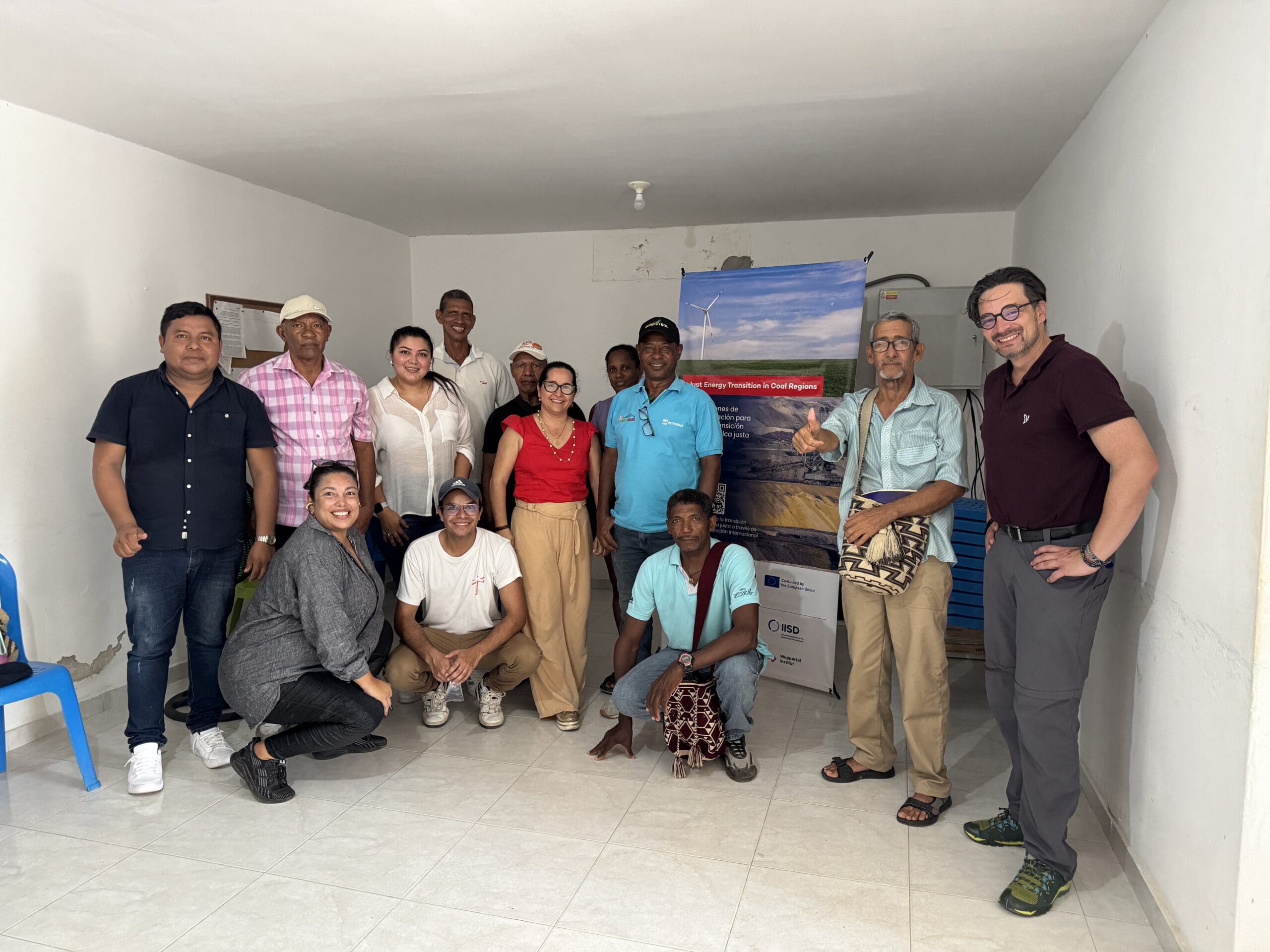
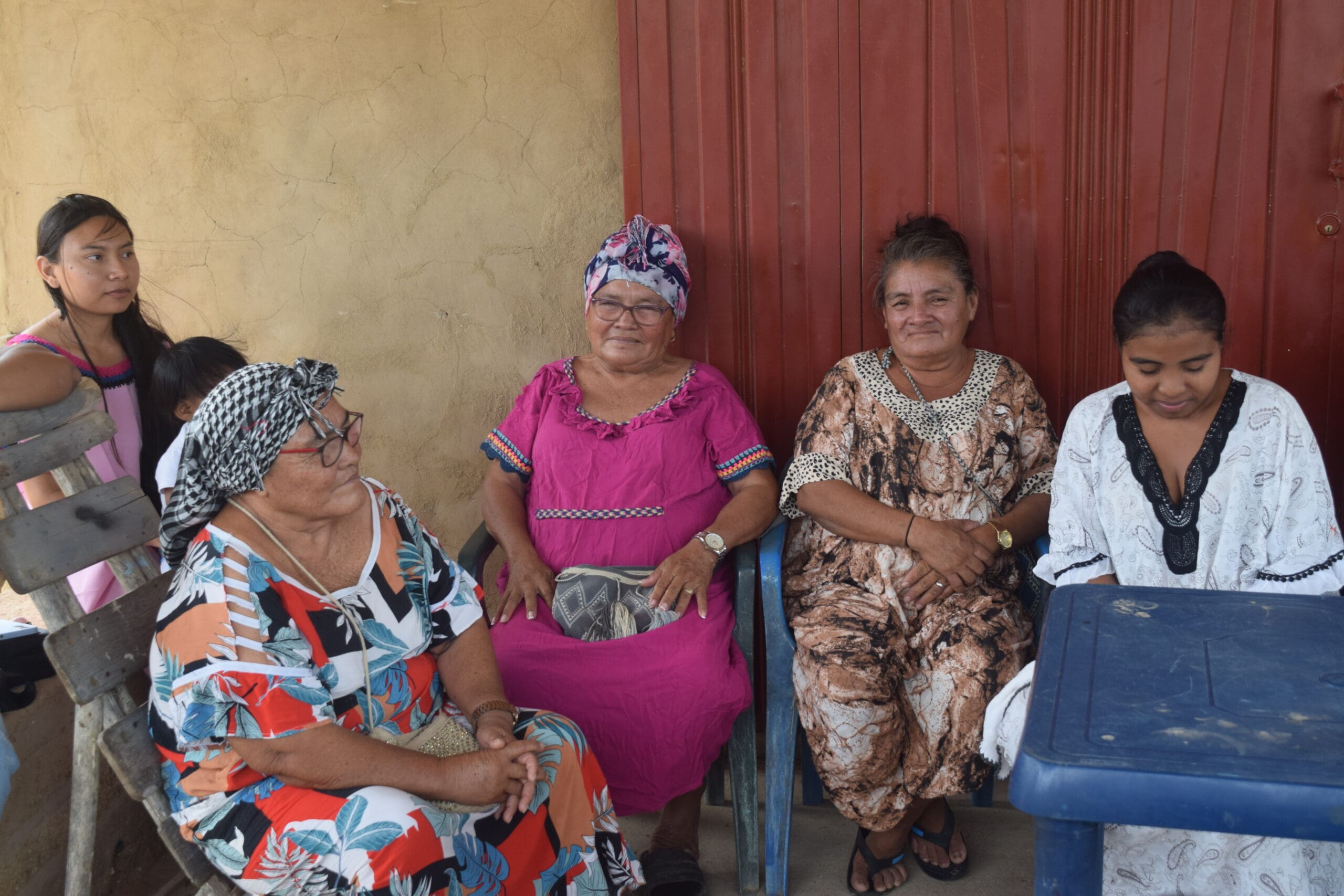
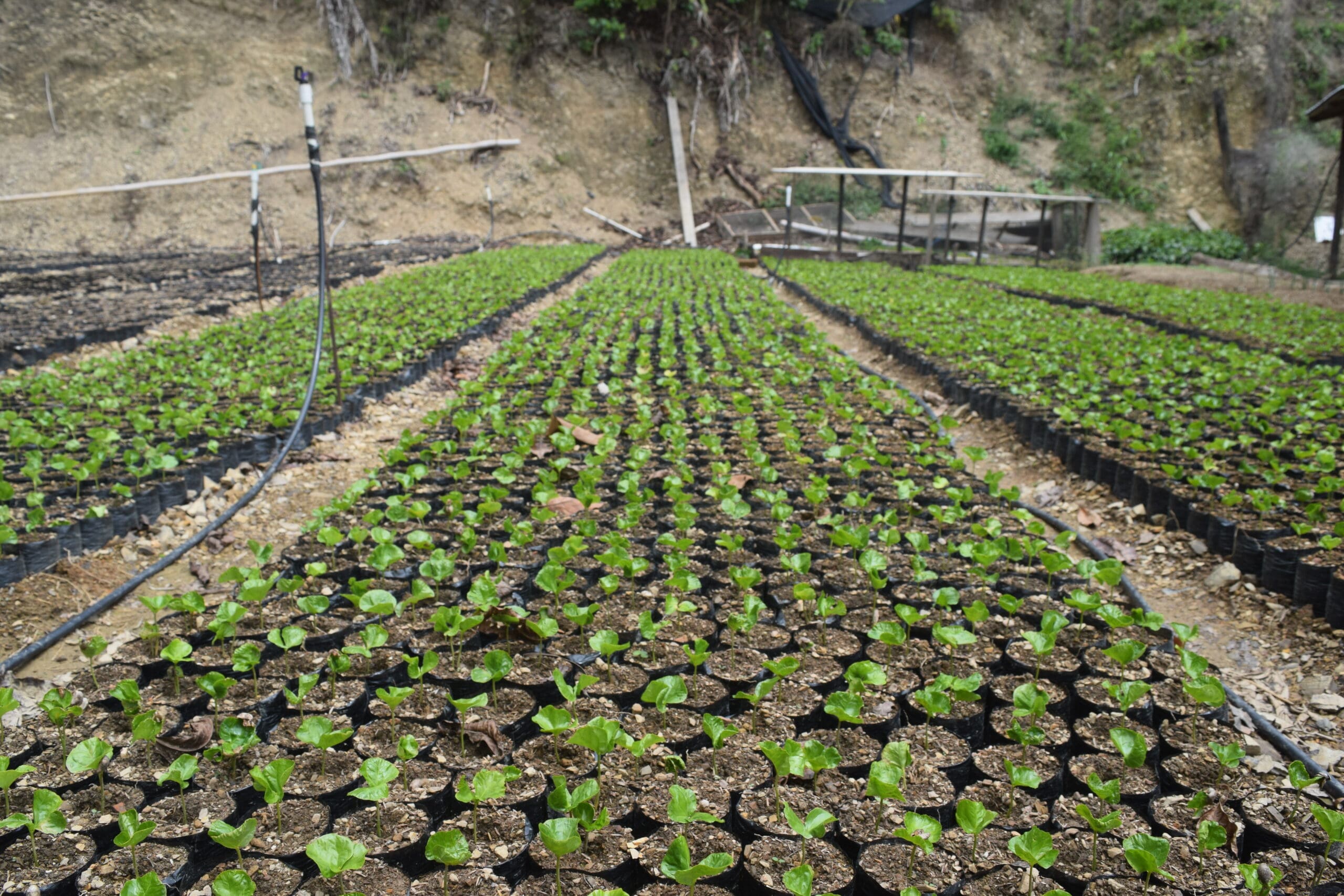
IKI JET is supporting multiple communities in La Guajira and Cesar, each engaged in distinct productive activities, such as fishing; handicrafts; the cultivation of coffee and other traditional products; and goat farming. Despite their diversity, these communities face shared challenges: limited economic opportunities, unreliable energy services, and high energy tariffs. Many of the communities include particularly vulnerable groups—Indigenous Peoples, women-led organisations, and other actors who are often overlooked yet disproportionately affected by the energy transition.
To provide a snapshot of this diversity, here are five communities that are in the process of becoming energy communities.
1. The Wuin Anasü Corporation (COWA) Energy Community
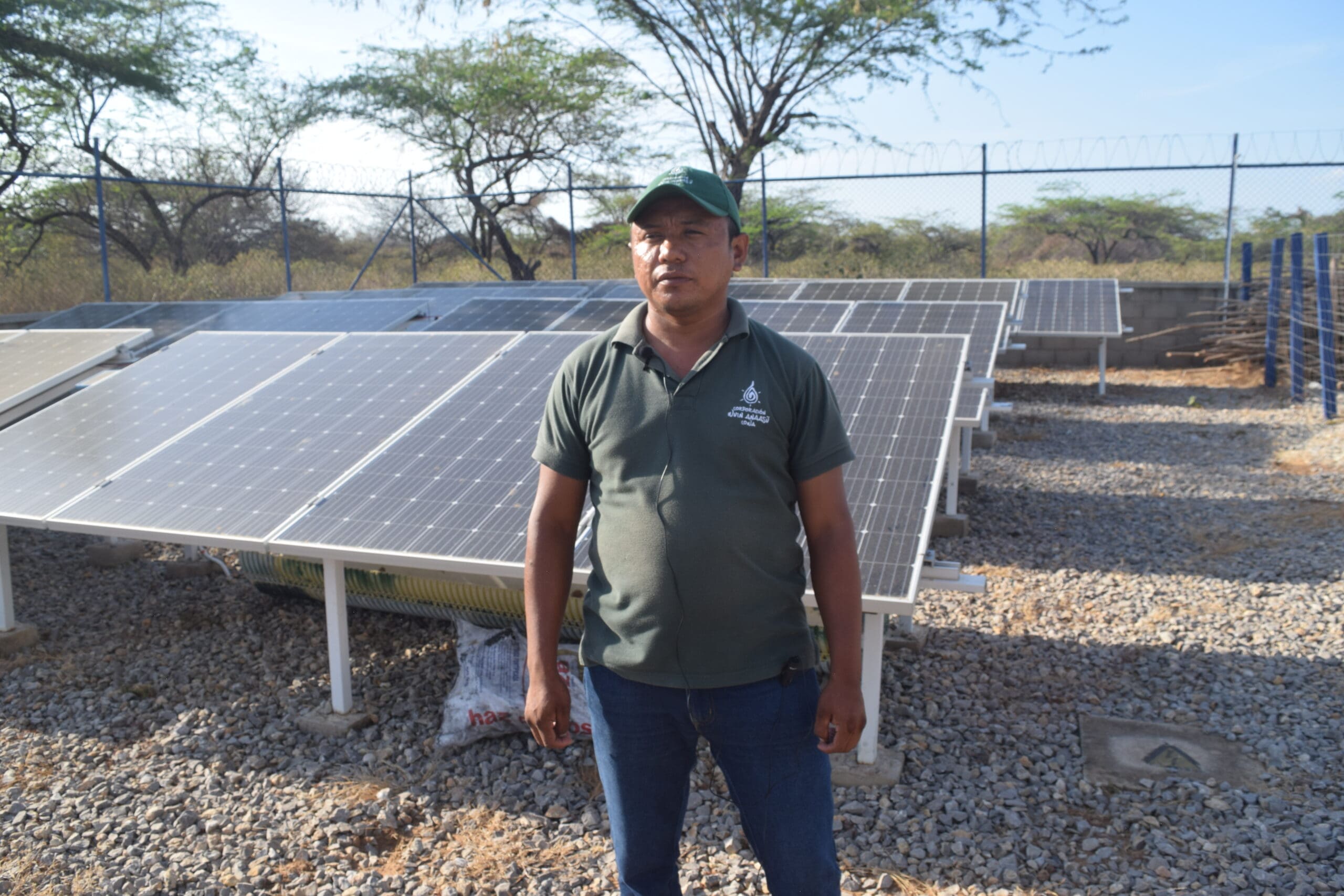
2. The Los Cabritos Energy Community
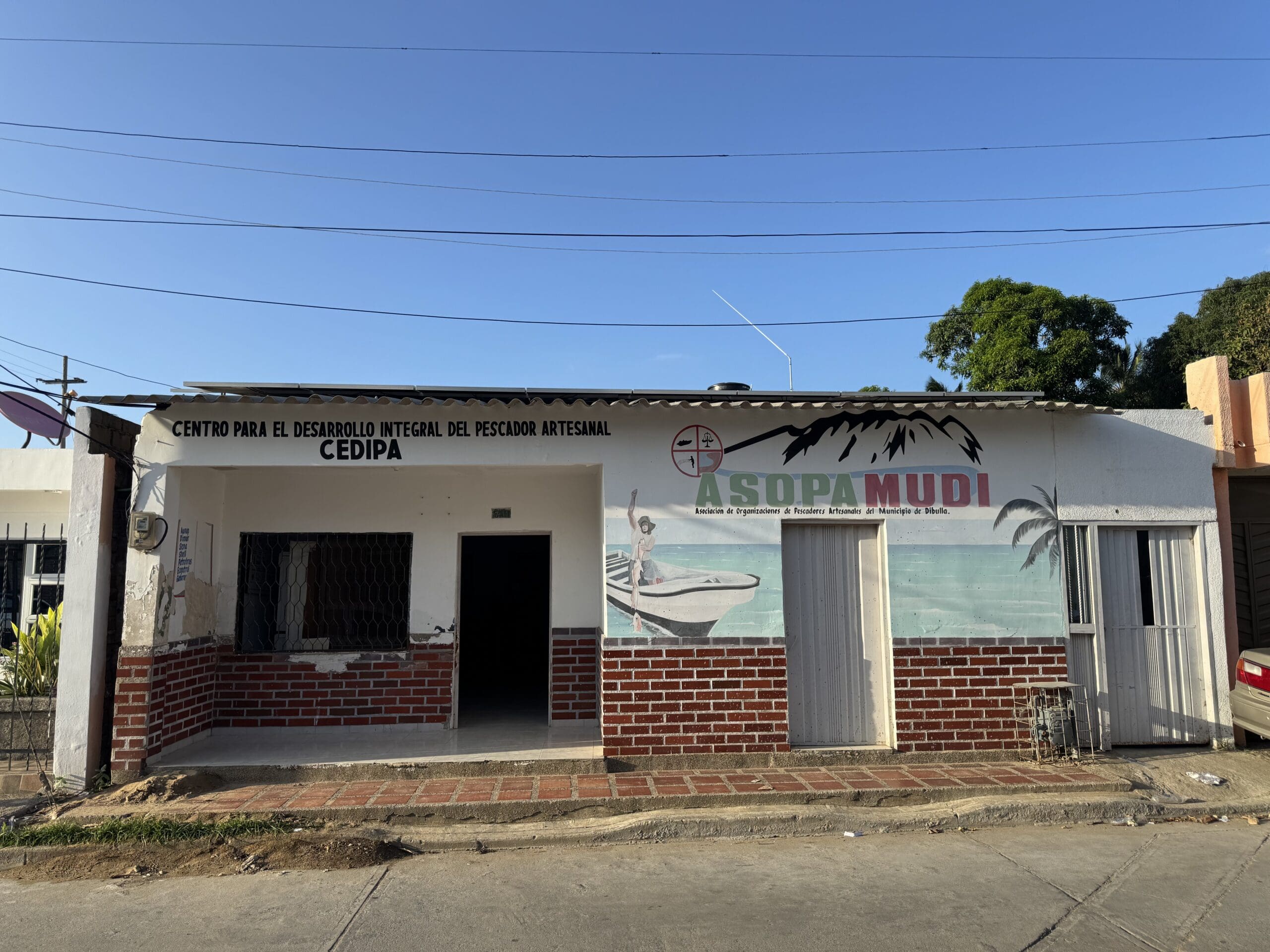
3. The ASOPAMUDI Energy Community
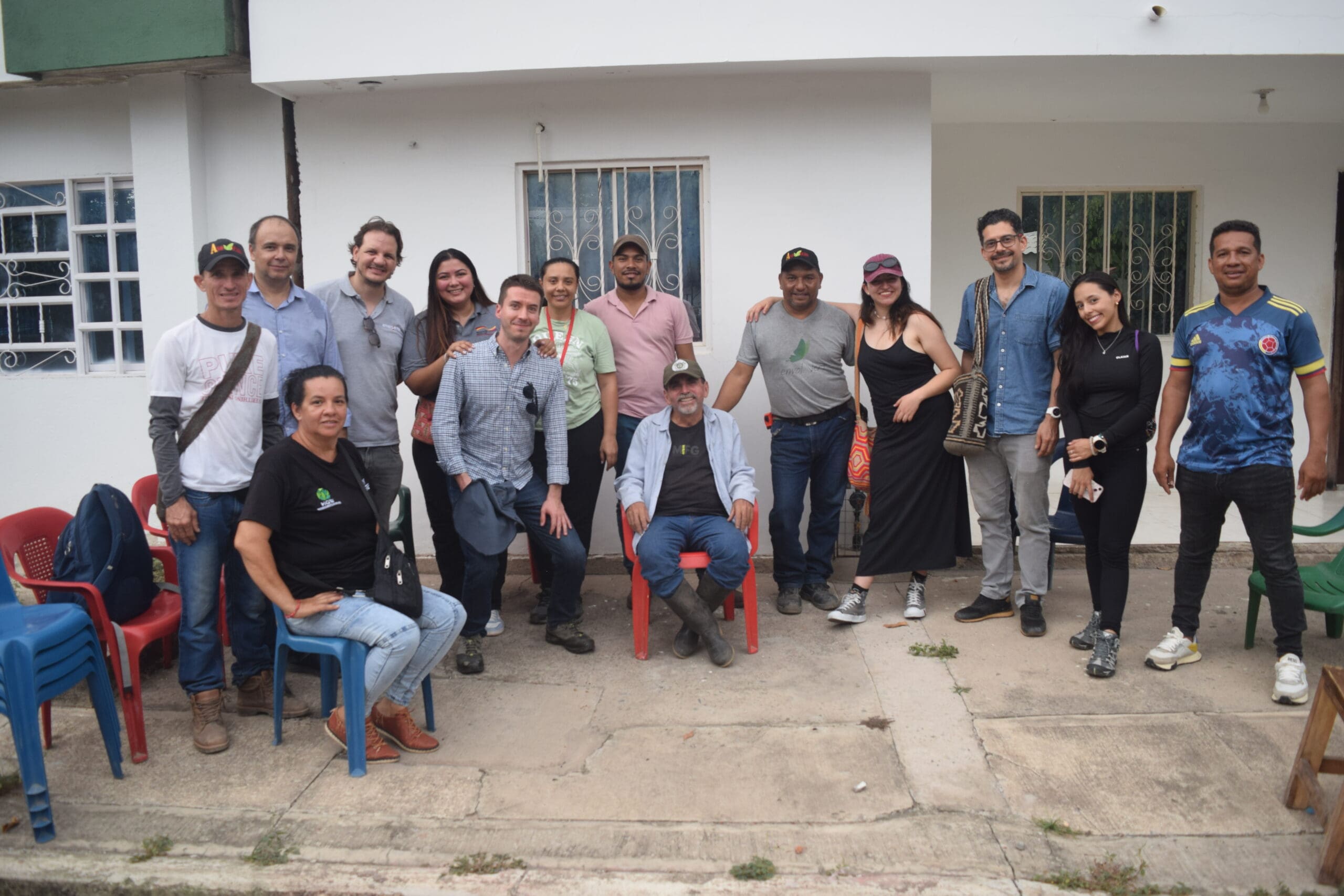
4. The ASOVECAB Energy Community
5. The ASOTEPROS Energy Community
Related Posts
Stay Informed and Engaged
Subscribe to the Just Energy Transition in Coal Regions Knowledge Hub Newsletter
Receive updates on just energy transition news, insights, knowledge, and events directly in your inbox.