
Profile
Just Transition in Colombia: The ASOTEPROS Energy Community
Energy communities are a key part of Colombia’s just transition strategy. Combining community governance, productive use of energy, and sustainability to improve livelihoods, the energy community model can strengthen local economies and reduce vulnerability for remote populations.
As part of the Innovation Regions for a Just Energy Transition (IKI JET) project, the Deutsche Gesellschaft für Internationale Zusammenarbeit (GIZ) is supporting the development of several energy communities across the coal-dependent regions of La Guajira and Cesar.

What is the ASOTEPROS Energy Community?
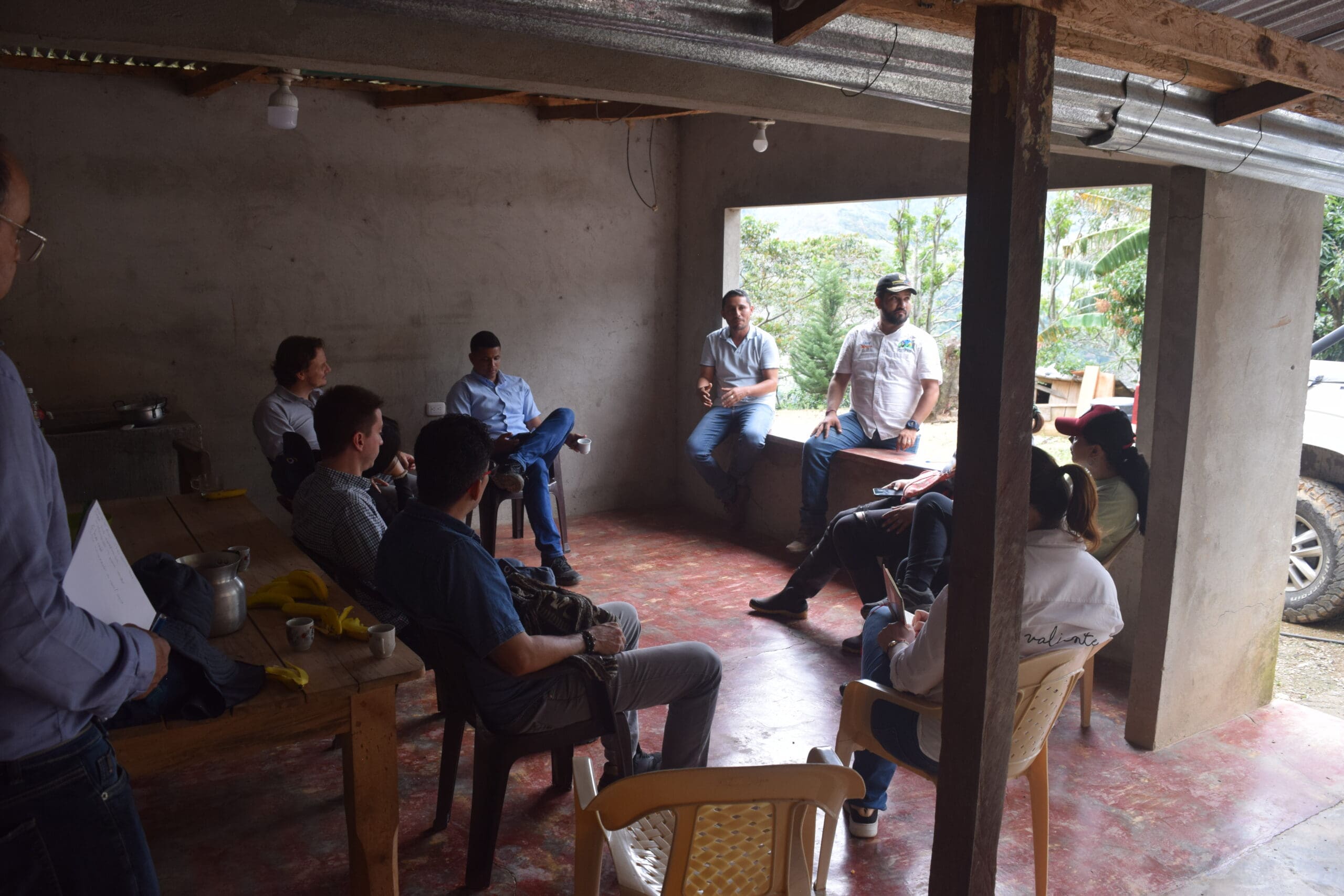
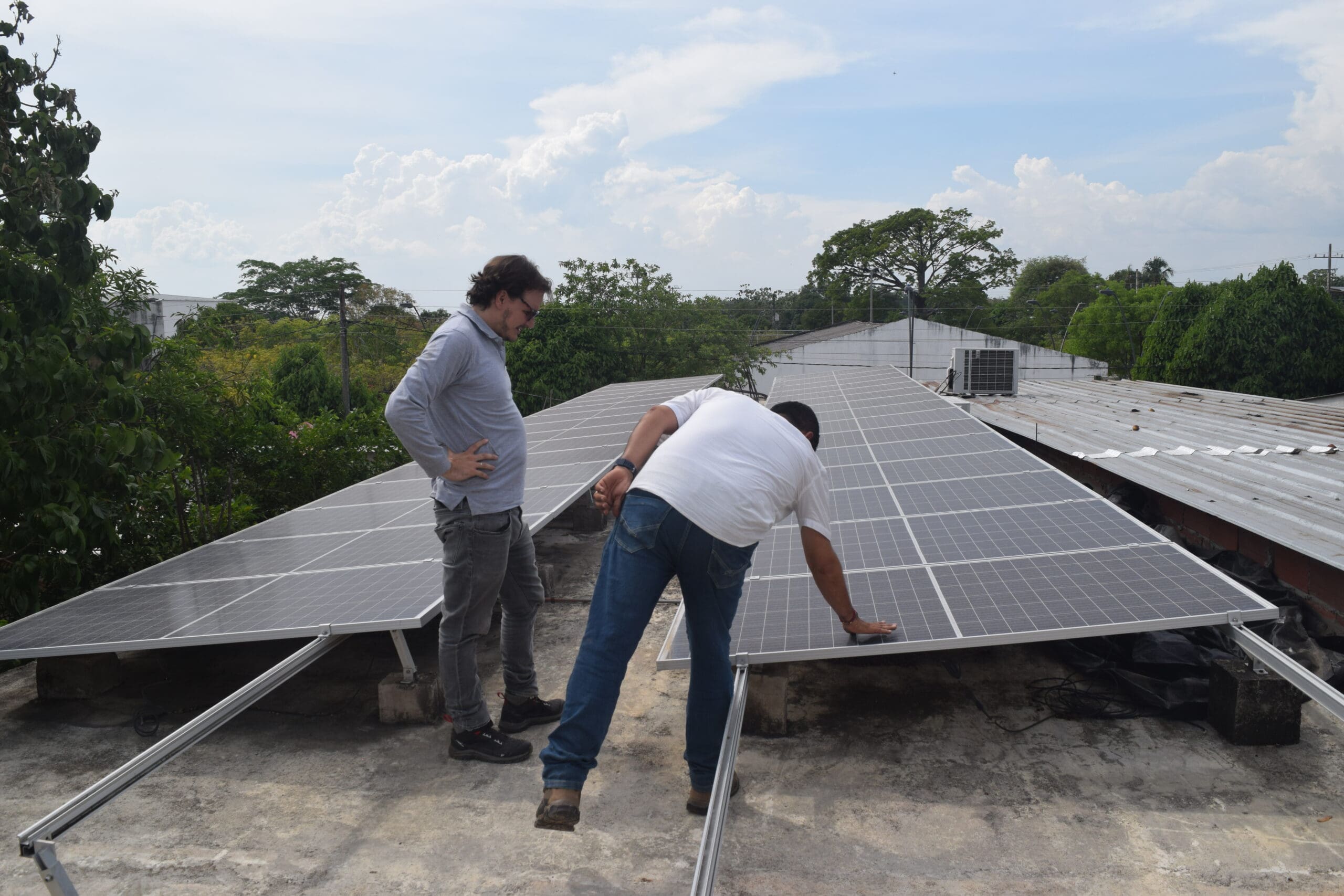
Xagua Café is a community-led coffee brand produced by the ASOTEPROS association in the Serranía del Perijá mountain range. Working with more than 80 associated coffee farmers, ASOTEPROS has become a regional benchmark for its commitment to sustainable production, product quality, and organisational strength. Through support from international cooperation, ASOTEPROS’ coffee production has been equipped with a grid-connected PV system backed by batteries, meeting current energy needs at no cost. The community has also improved the coffee’s market position after receiving training in marketing and branding, while diversifying into beekeeping and honey production is creating new economic opportunities.
What is the objective or community need?
The community faces the challenge of strengthening its energy infrastructure to keep pace with increased operations and decentralised production. Its main objectives are: to expand energy capacity to improve logistics and farm activities; to optimise the existing solar energy system for greater efficiency; and to assess the technical, regulatory, and commercial feasibility of selling excess power to the grid.
How will being an energy community help?
By assessing and improving the existing solar infrastructure and studying the feasibility of commercialising surplus energy, the community will be able to enhance productivity, reduce costs, and generate new income streams.

What is the current status—and what are the next steps?
A coffee bean dryer powered by solar energy is being considered to improve product quality, optimise operating costs, and increase the coffee’s value. The next step will be to finalise technical recommendations for selling surplus energy from the solar system. In addition to the solar system in the processing facility, the project is considering installing isolated solar systems for each farm, which could later form part of an energy community under a common associative model. In parallel, a community empowerment plan will be implemented to strengthen members’ managerial and administrative, energy management, maintenance, and commercialisation capacities, and to build partnerships with technical, regulatory, and commercial entities to facilitate the sale of surplus energy.

Read more about about how the Innovation Regions for a Just Energy Transition (IKI JET) project is supporting the development of energy communities in Colombia here.
Related Posts
Stay Informed and Engaged
Subscribe to the Just Energy Transition in Coal Regions Knowledge Hub Newsletter
Receive updates on just energy transition news, insights, knowledge, and events directly in your inbox.