
Profile
Just Transition in Colombia: The Wuin Anasü Corporation (COWA) Energy Community
Energy communities are a key part of Colombia’s just transition strategy. Combining community governance, productive use of energy, and sustainability to improve livelihoods, the energy community model can strengthen local economies and reduce vulnerability for remote populations.
As part of the Innovation Regions for a Just Energy Transition (IKI JET) project, the Deutsche Gesellschaft für Internationale Zusammenarbeit (GIZ) is supporting the development of several energy communities across the coal-dependent regions of La Guajira and Cesar.
What is the Wuin Anasü Corporation (COWA) Energy Community?
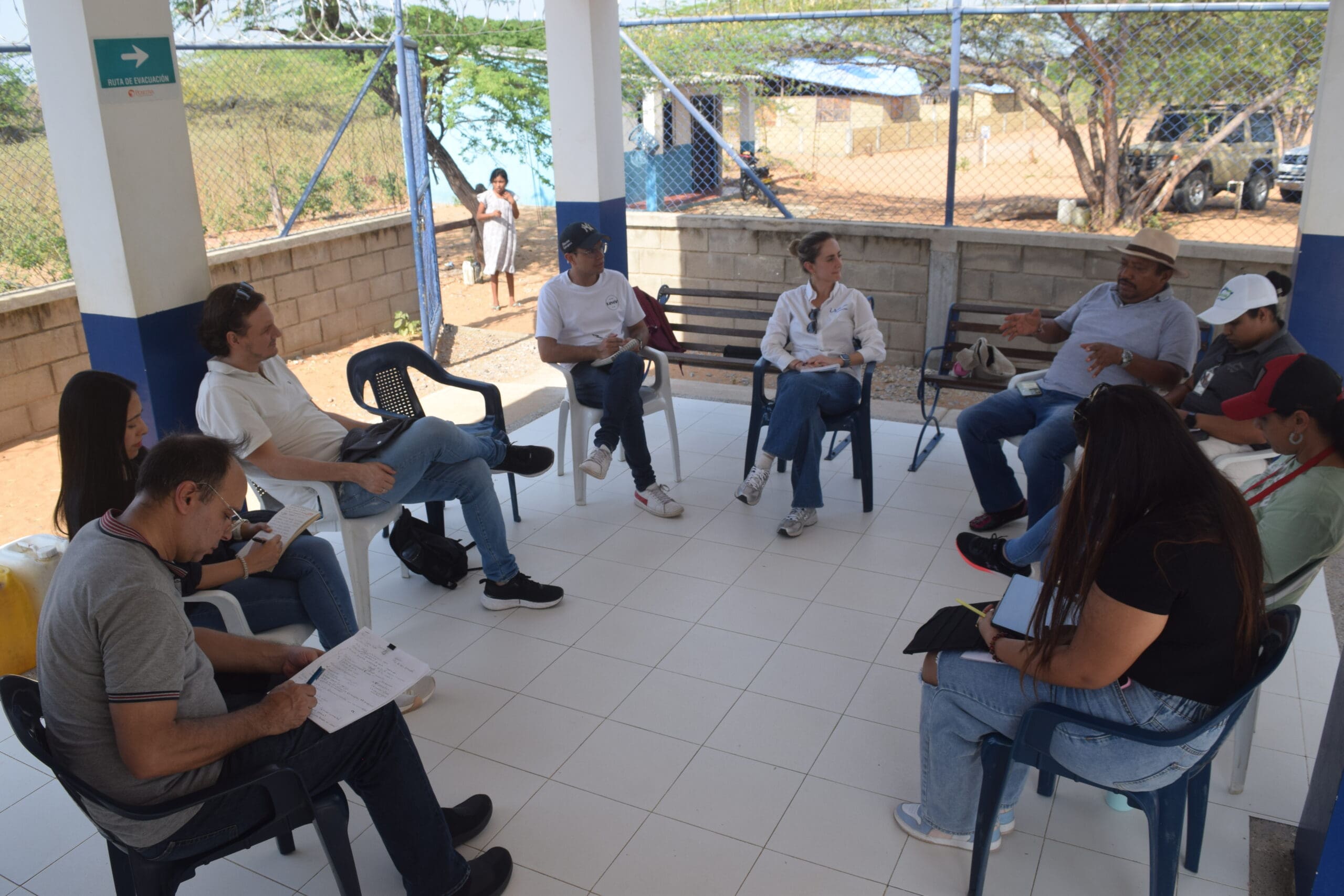
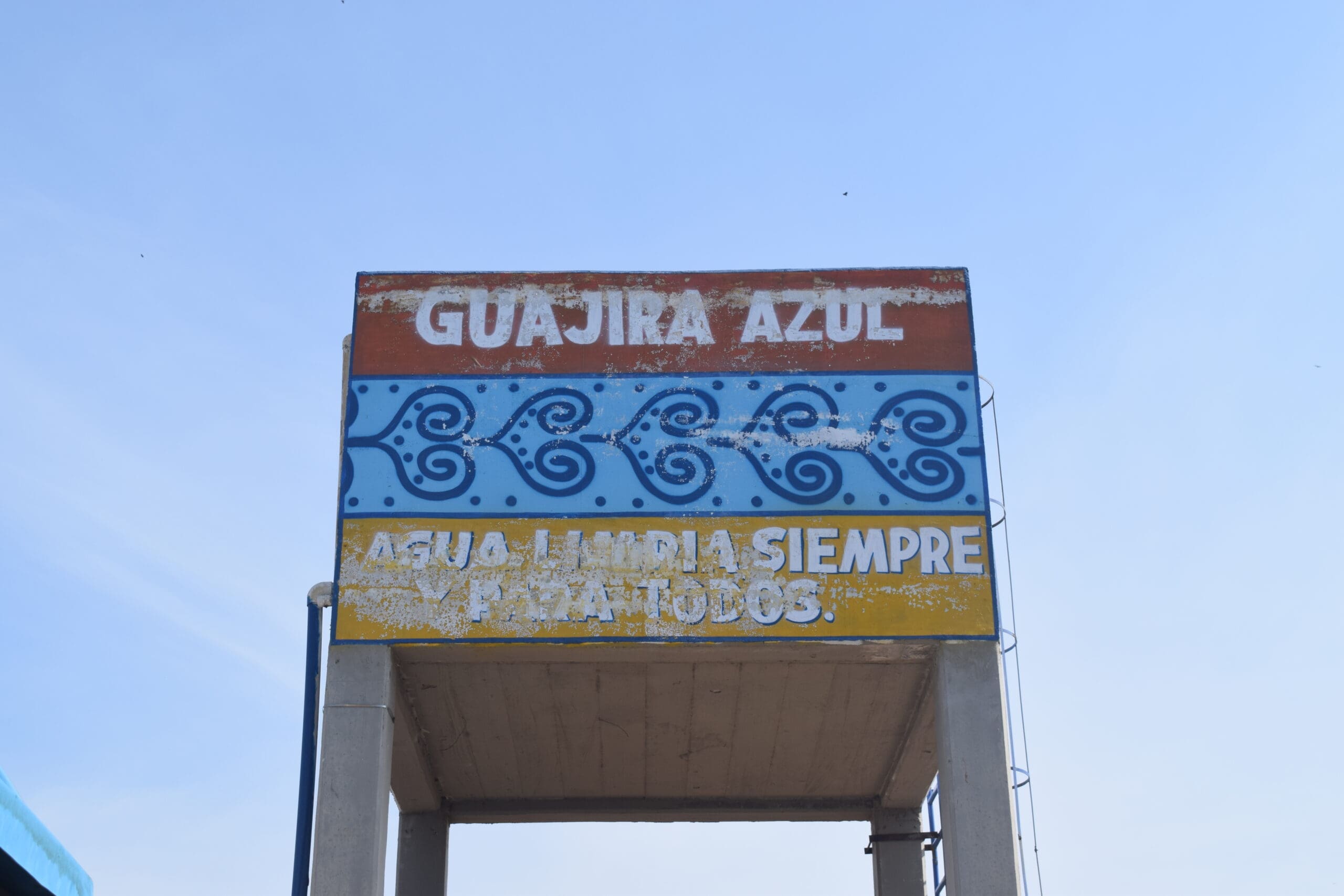
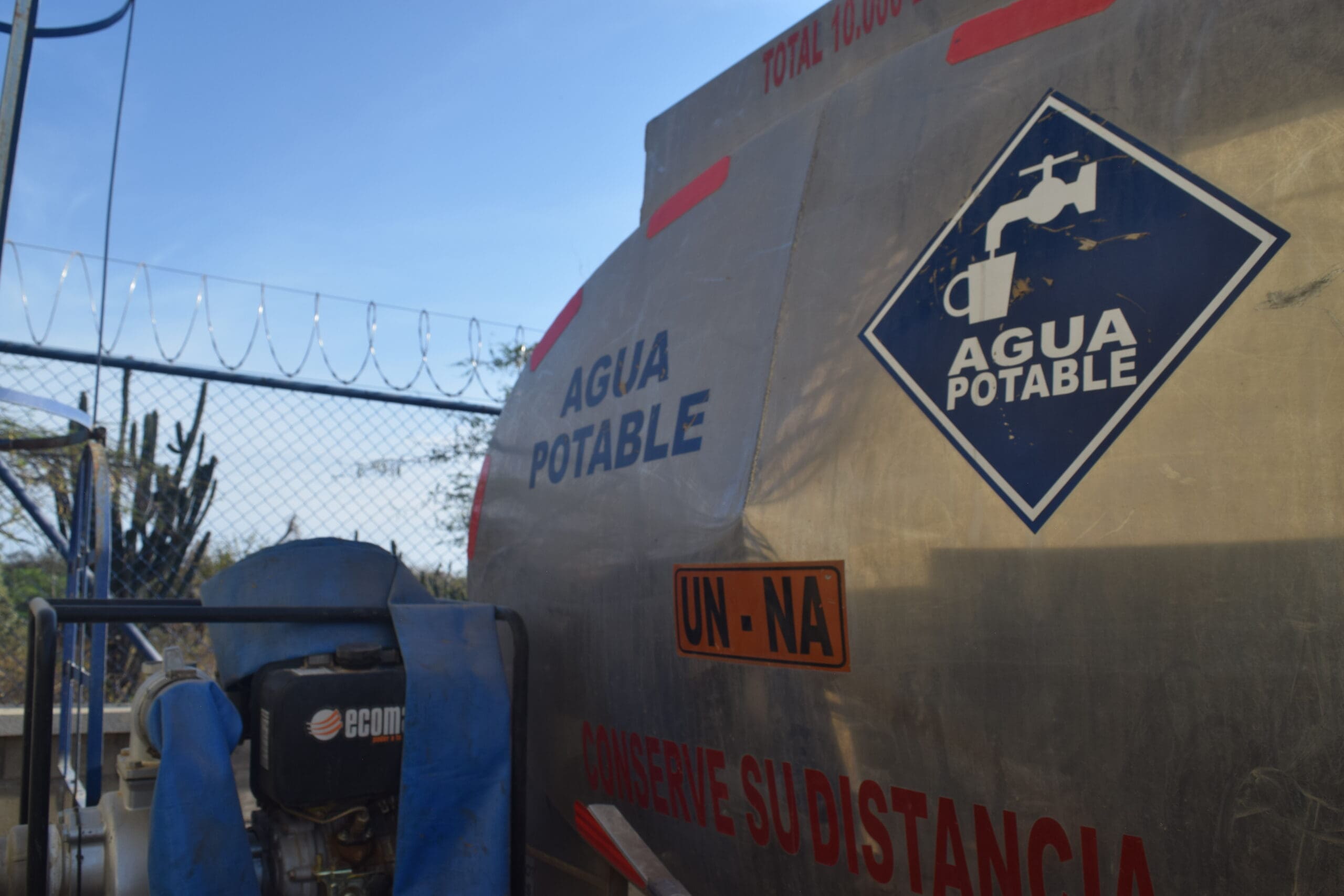
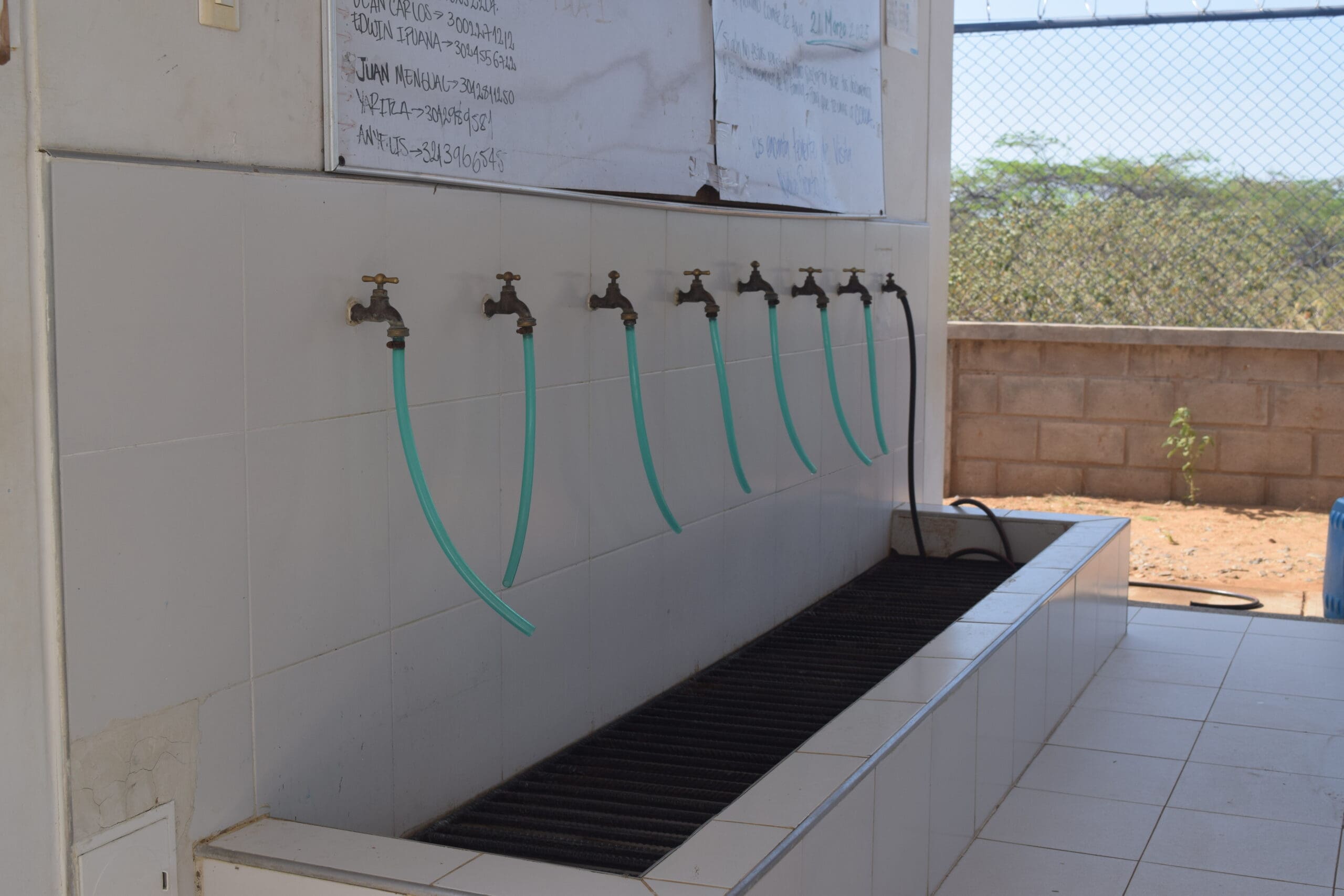
Organised under the Wuin Anasü Corporation (COWA), five Wayuu communities in the municipality of Maicao manage a water purification plant built by the company ISA Intercolombia in 2021. The system supplies drinkable water to 2,409 families across the communities of Sararao, Ulain, Orroko, Majayulumana, and Masamana, using a water truck and five public taps. COWA is led by its Traditional Authorities, the community leaders of the Wayuu people, who preserve traditions, resolve conflicts, and guide collective decisions.
What is the objective or community need?
COWA is facing a financial deficit that is limiting its operations and threatening long-term sustainability. To address this, the organisation aims to diversify its income sources and strengthen its economic model by developing an innovative circular business model. Central to this strategy is the creation of community “biotiendas” (bio-shops) that provide basic goods and safe drinking water while operating under a fair exchange model. By trading handicrafts and other local products for essential goods, families can reduce their dependence on cash, thereby strengthening the local economy and preserving cultural traditions.
How will being an energy community help?
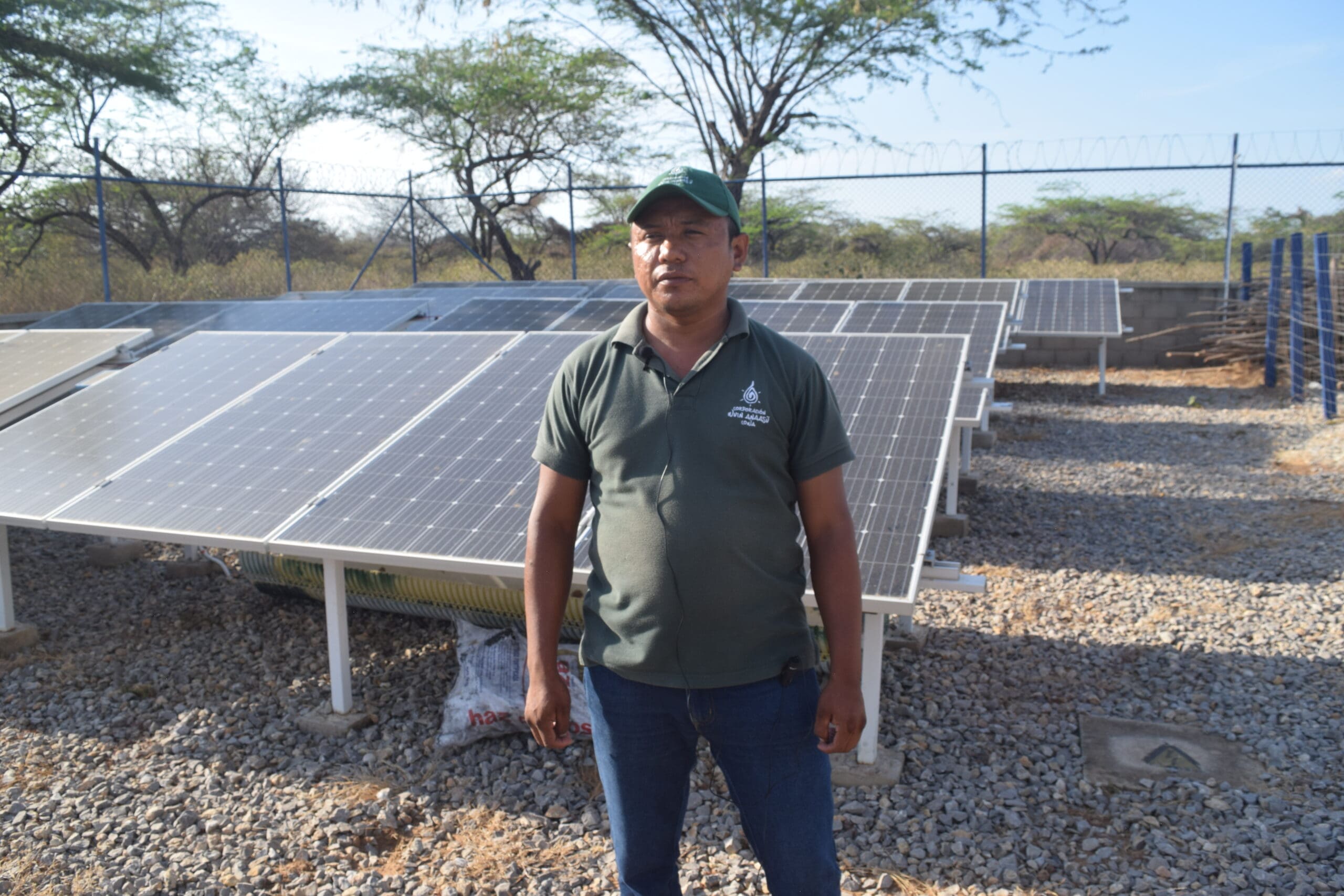
The biotiendas will be equipped with photovoltaic (PV) systems to preserve perishable goods and ensure their quality for local consumption and sales. This approach optimises resource management, reduces dependence on external energy sources, and minimises the environmental impact.
What is the current status—and what are the next steps?
The business model for the community biotiendas, which will integrate inventory control tools, traceability mechanisms, and financial education, is currently being designed. Meanwhile, the technical requirements for installing PV systems and defining the trading scheme as the primary exchange mechanism are being established. Progress has also been made in developing the financial and logistical plan and in engaging potential strategic partners. The model also includes a comprehensive empowerment strategy to strengthen community capacities to manage, operate, and maintain the biotiendas, reinforcing their autonomy and resilience.
Read more about about how the Innovation Regions for a Just Energy Transition (IKI JET) project is supporting the development of energy communities in Colombia here.
Related Posts
Stay Informed and Engaged
Subscribe to the Just Energy Transition in Coal Regions Knowledge Hub Newsletter
Receive updates on just energy transition news, insights, knowledge, and events directly in your inbox.