
Profile
Just Transition in Colombia: The Los Cabritos Energy Community
Energy communities are a key part of Colombia’s just transition strategy. Combining community governance, productive use of energy, and sustainability to improve livelihoods, the energy community model can strengthen local economies and reduce vulnerability for remote populations.
As part of the Innovation Regions for a Just Energy Transition (IKI JET) project, the Deutsche Gesellschaft für Internationale Zusammenarbeit (GIZ) is supporting the development of several energy communities across the coal-dependent regions of La Guajira and Cesar.
What is the Los Cabritos Energy Community?
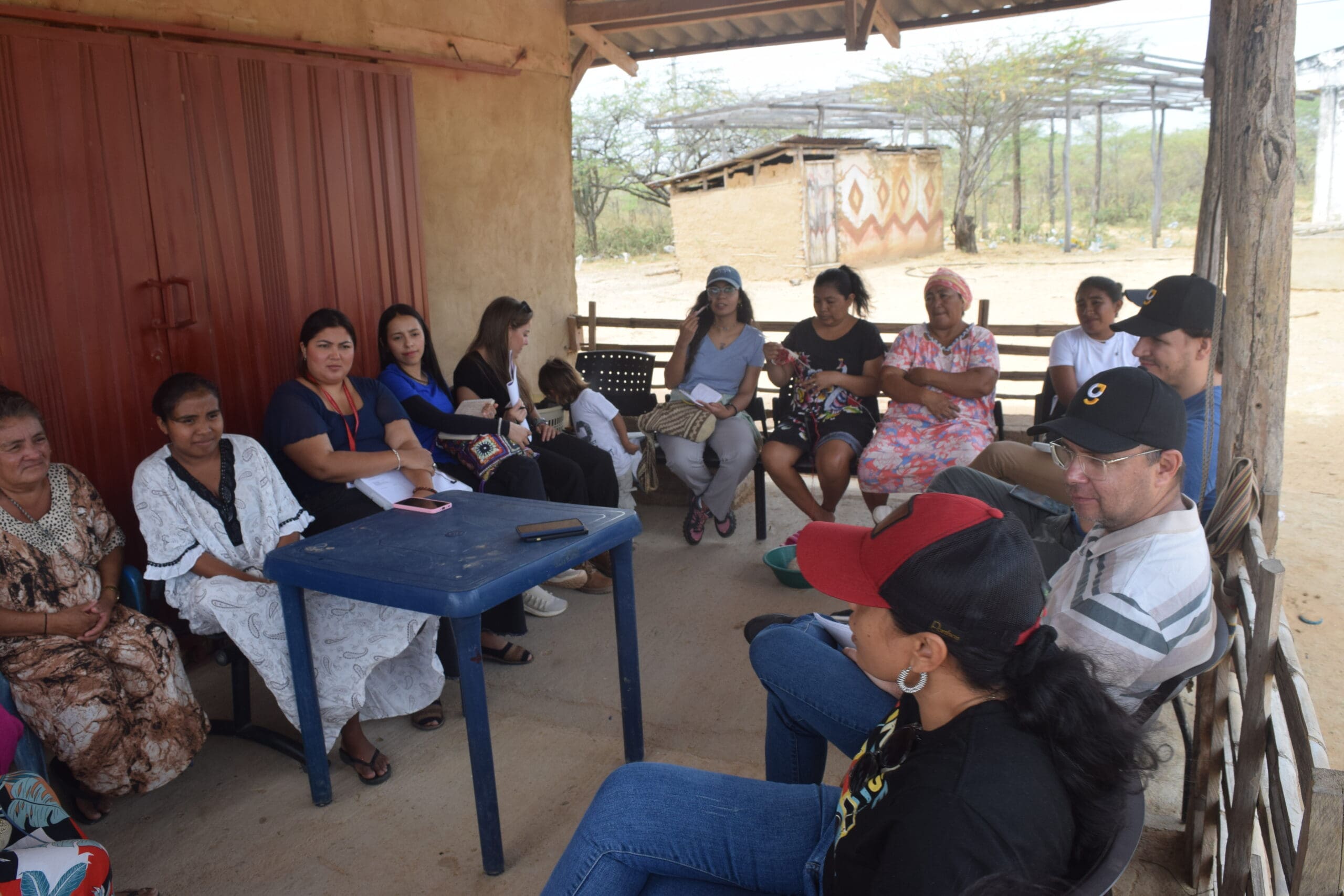
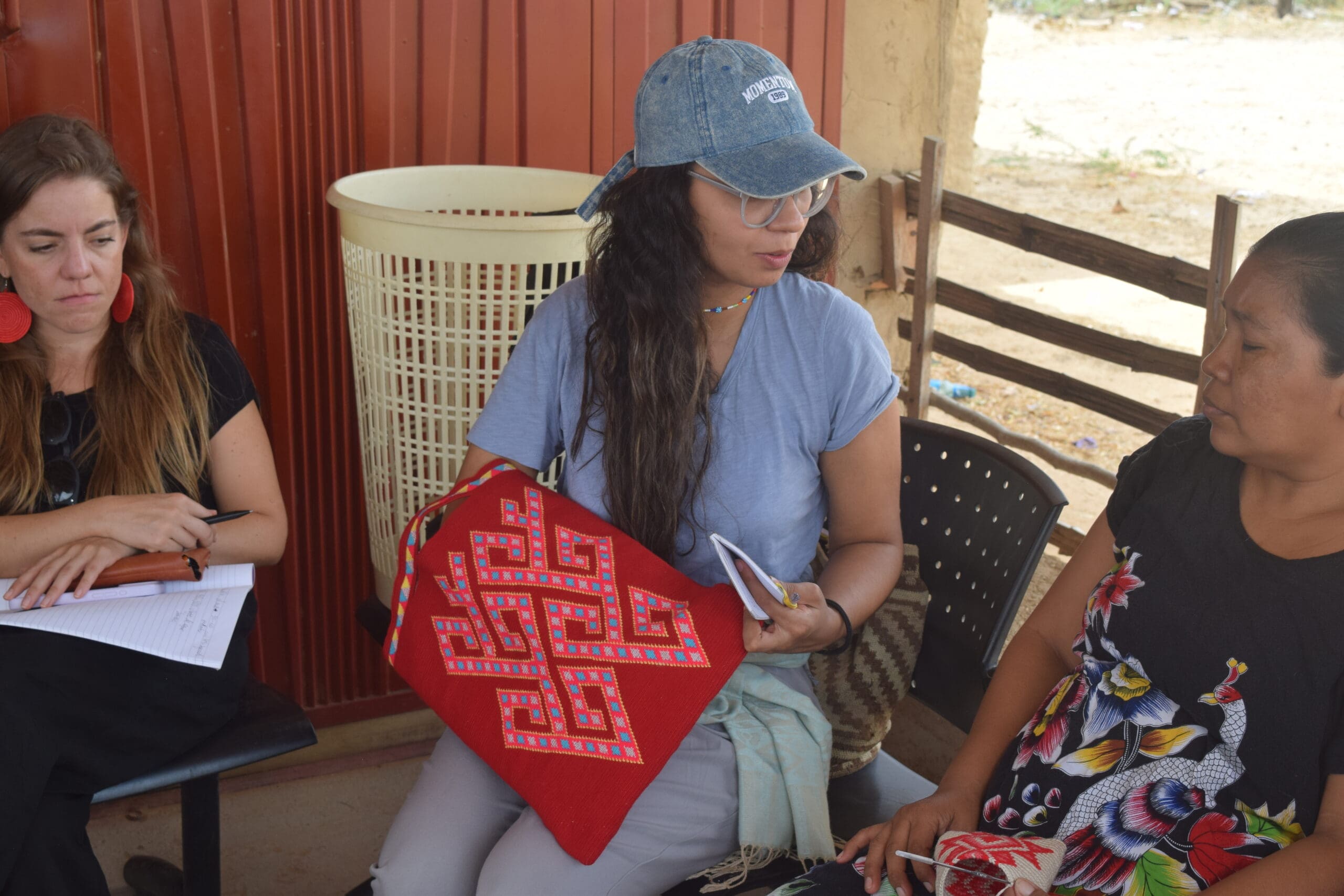
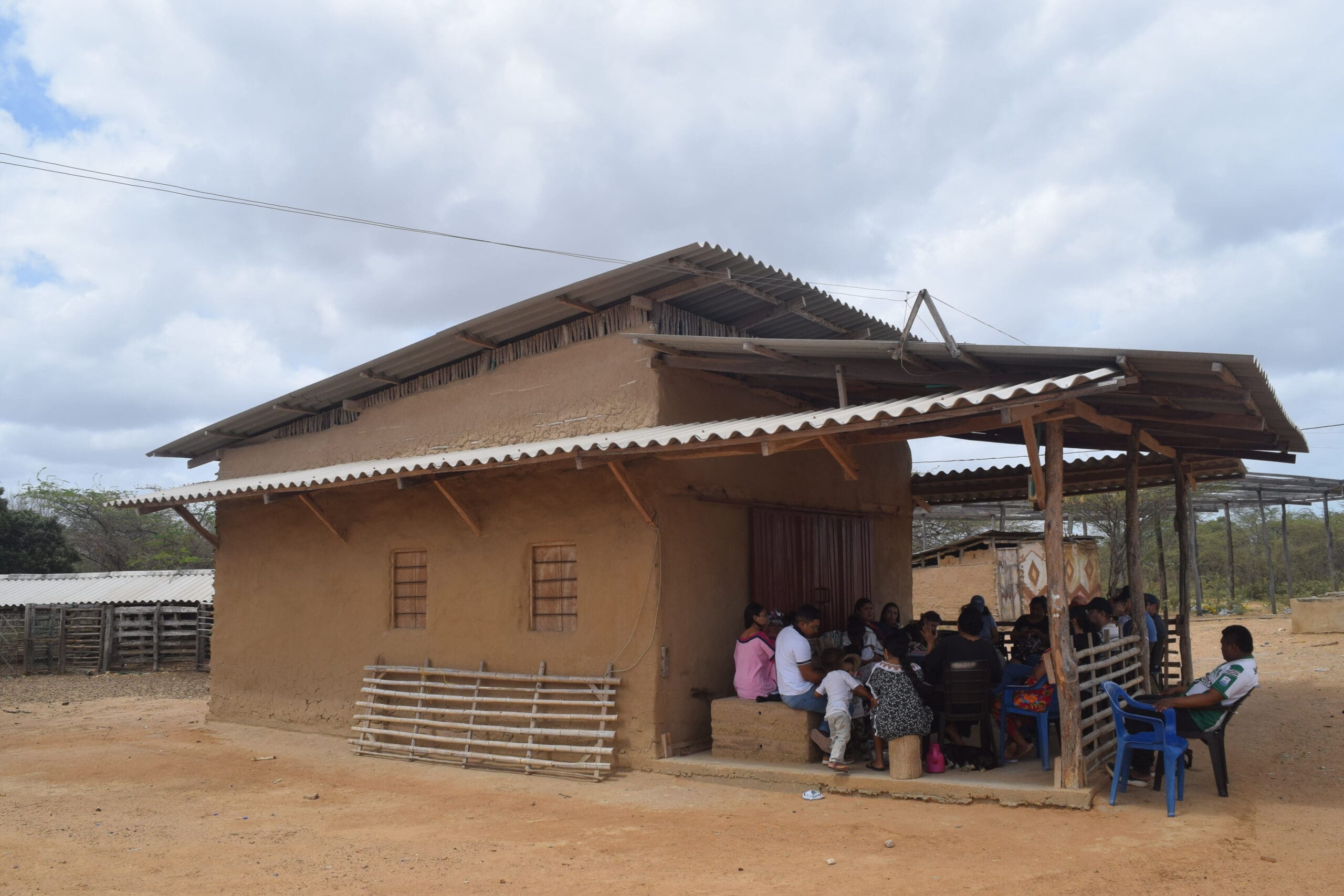
Los Cabritos is a Wayuu Indigenous community located near Riohacha, the largest city in La Guajira. Weaving, an ancestral tradition, is still the community’s primary economic activity and source of income. Through local efforts, the community has established a sewing workshop to enhance its artisanal production, and some families engage in recycling because they live near to a landfill site. A community store operates according to traditional customs, combining barter and the sale of basic goods.
What is the objective or community need?
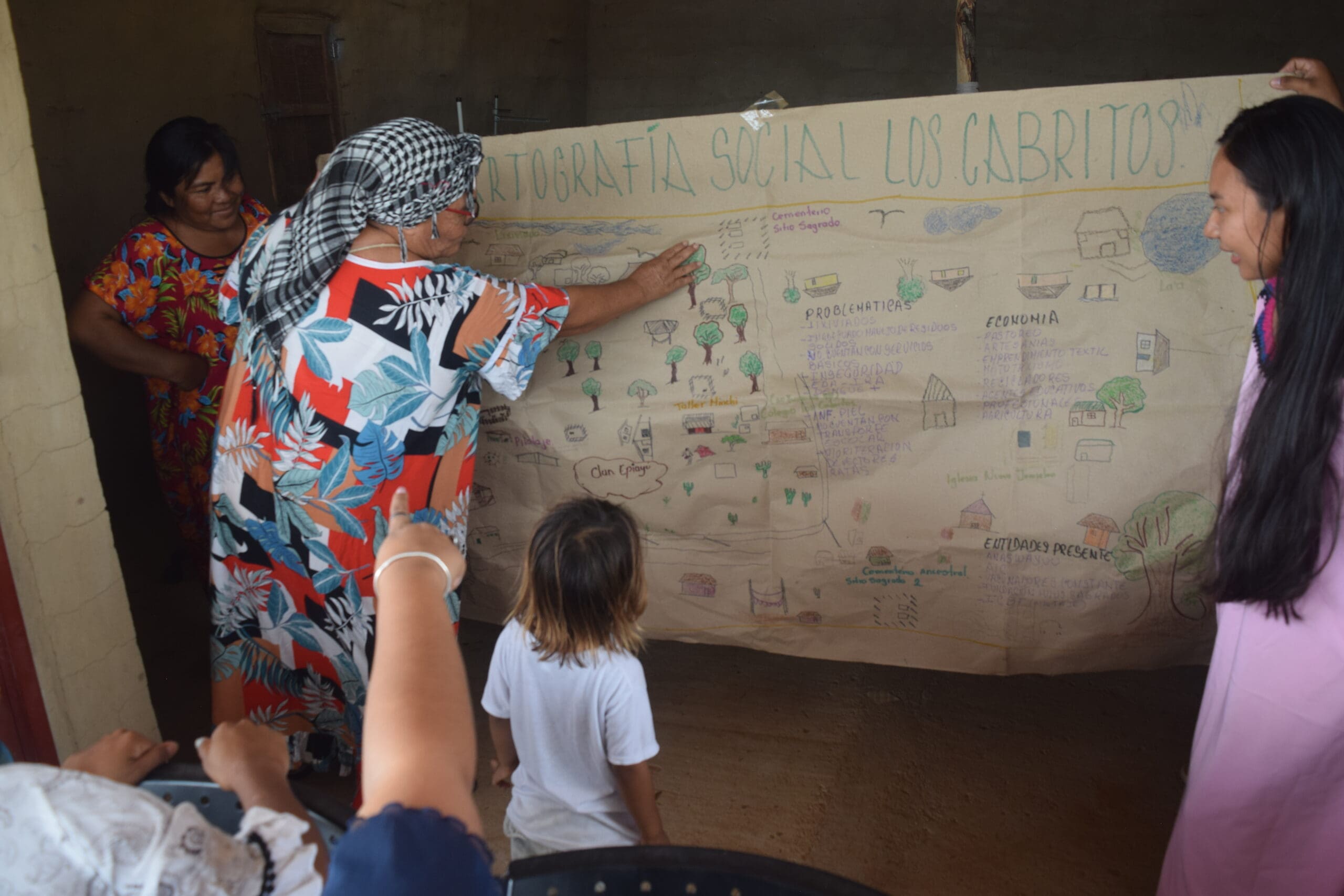
The community seeks to strengthen its economic resilience and its environmental sustainability. Its main objectives are: to enhance and optimise artisanal production by reinforcing the sewing workshop and marketing capacities; to diversify income sources through the generation and sale of renewable energy surpluses; and to mitigate the environmental impacts of the landfill by promoting productive activities, such as crafts, recycling, and the creation of goods from reusable materials—shifting the perception of “waste” from a problem to a valuable resource.
How will being an energy community help?
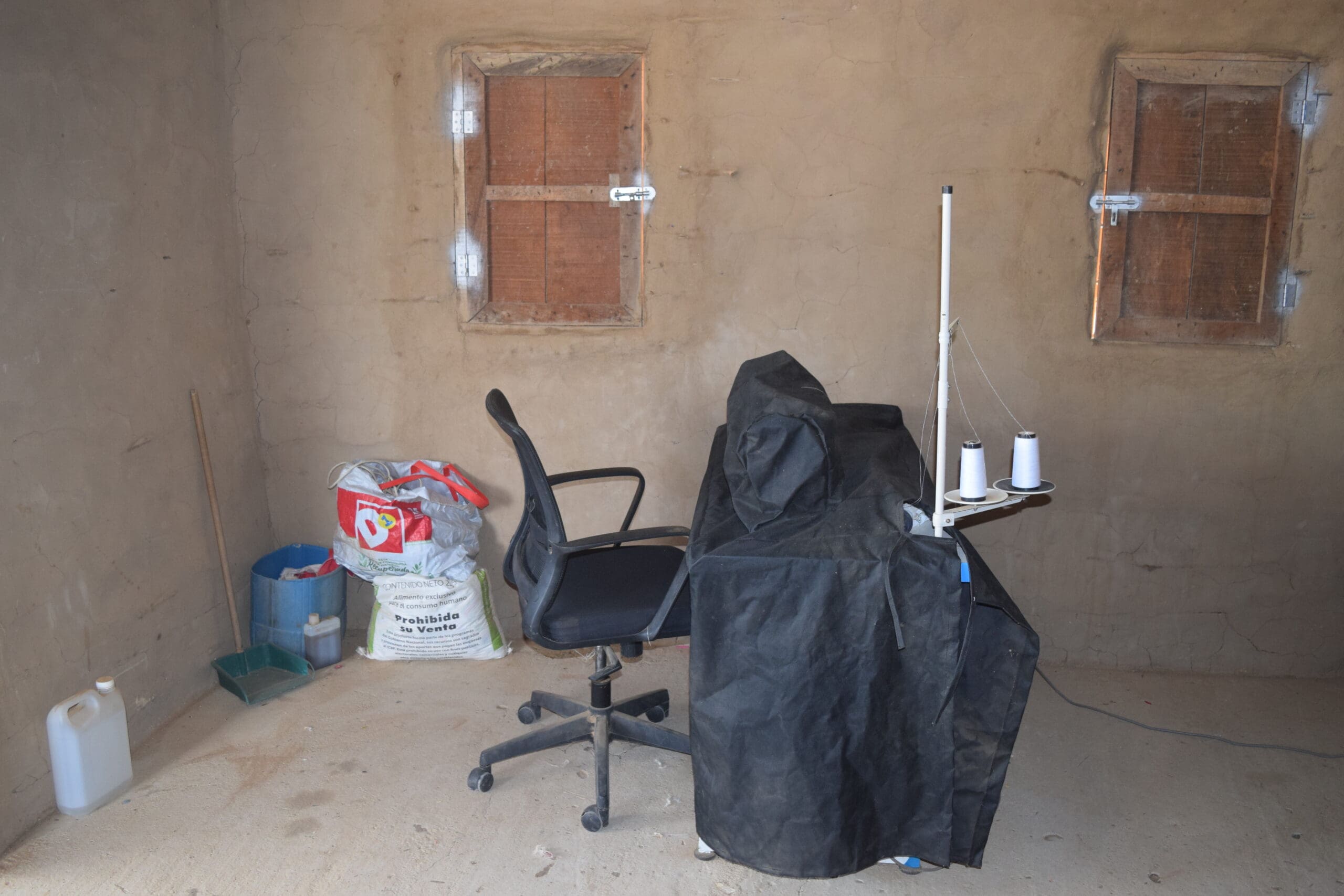
By installing a PV system to power the weaving and sewing activities, the community can lower operational costs, increase production, and strengthen the economic foundation of its artisanal work. In addition, selling surplus energy to the grid can bring new income opportunities, while also fostering greater energy autonomy and financial sustainability. Complementary actions, such as using recyclables in artisanal production and improving the community store, will foster circular practices, environmental stewardship, and local trade.
What is the current status—and what are the next steps?
The design of the energy solution for the sewing workshop is underway, together with a comprehensive environmental mitigation plan focused on the use of recyclable materials. At the same time, the community store is being strengthened through new equipment and targeted training to improve its management. The community life plan is also being consolidated, incorporating capacity building into management, the circular economy, and brand development. The next steps include initiating the procedures for selling surplus energy to the grid and establishing partnerships with strategic allies to support the commercialisation of local products.
Read more about about how the Innovation Regions for a Just Energy Transition (IKI JET) project is supporting the development of energy communities in Colombia here.
Find out more about the life plan of the Wayuu community of Los Cabritos, La Guajira.
Related Posts
Stay Informed and Engaged
Subscribe to the Just Energy Transition in Coal Regions Knowledge Hub Newsletter
Receive updates on just energy transition news, insights, knowledge, and events directly in your inbox.