
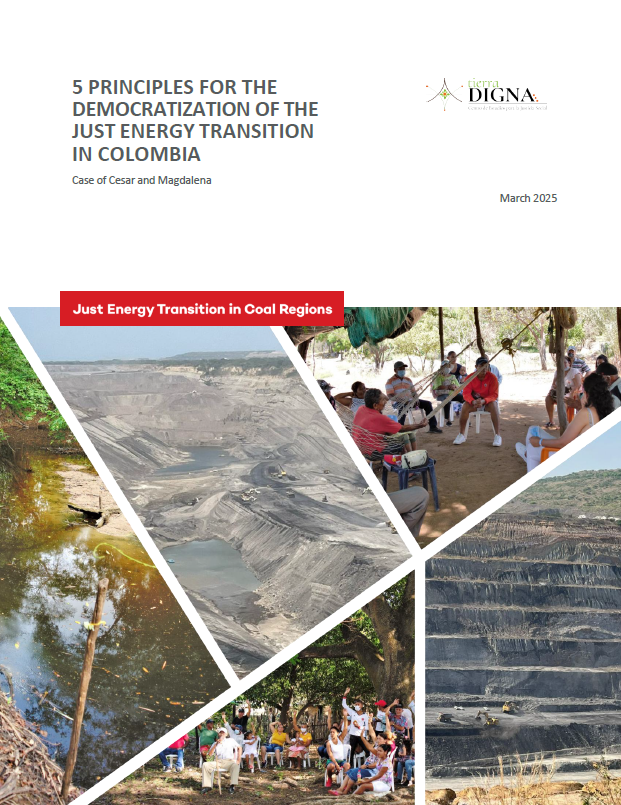
The Innovation Regions for a Just Energy Transition (IKI JET) project, led by the Deutsche Gesellschaft für Internationale Zusammenarbeit (GIZ) in Colombia, aims to strengthen locally driven transition processes in La Guajira and Cesar through the design and implementation of energy communities. In doing so, the project is contributing directly to Colombia’s just energy transition by demonstrating how energy initiatives can be embedded within broader social, economic, and territorial development processes.
At the core of IKI JET lies a clear premise: energy can be a catalyst for social transformation when it is anchored in strong community organisation, inclusive governance, and sustainable productive strategies. The project therefore supports the consolidation of organised communities with participatory decision-making structures capable of managing resources collectively and articulating long-term development visions rooted in local realities.
From this perspective, energy is conceived as a strategic enabler—one that can support productive activities, improve household incomes, generate decent employment, foster local innovation, and expand equitable access to essential services. Beyond the deployment of renewable energy solutions, IKI JET prioritises capacity building, strengthening social ties, and creating locally anchored opportunities that enhance quality of life while safeguarding the territory.
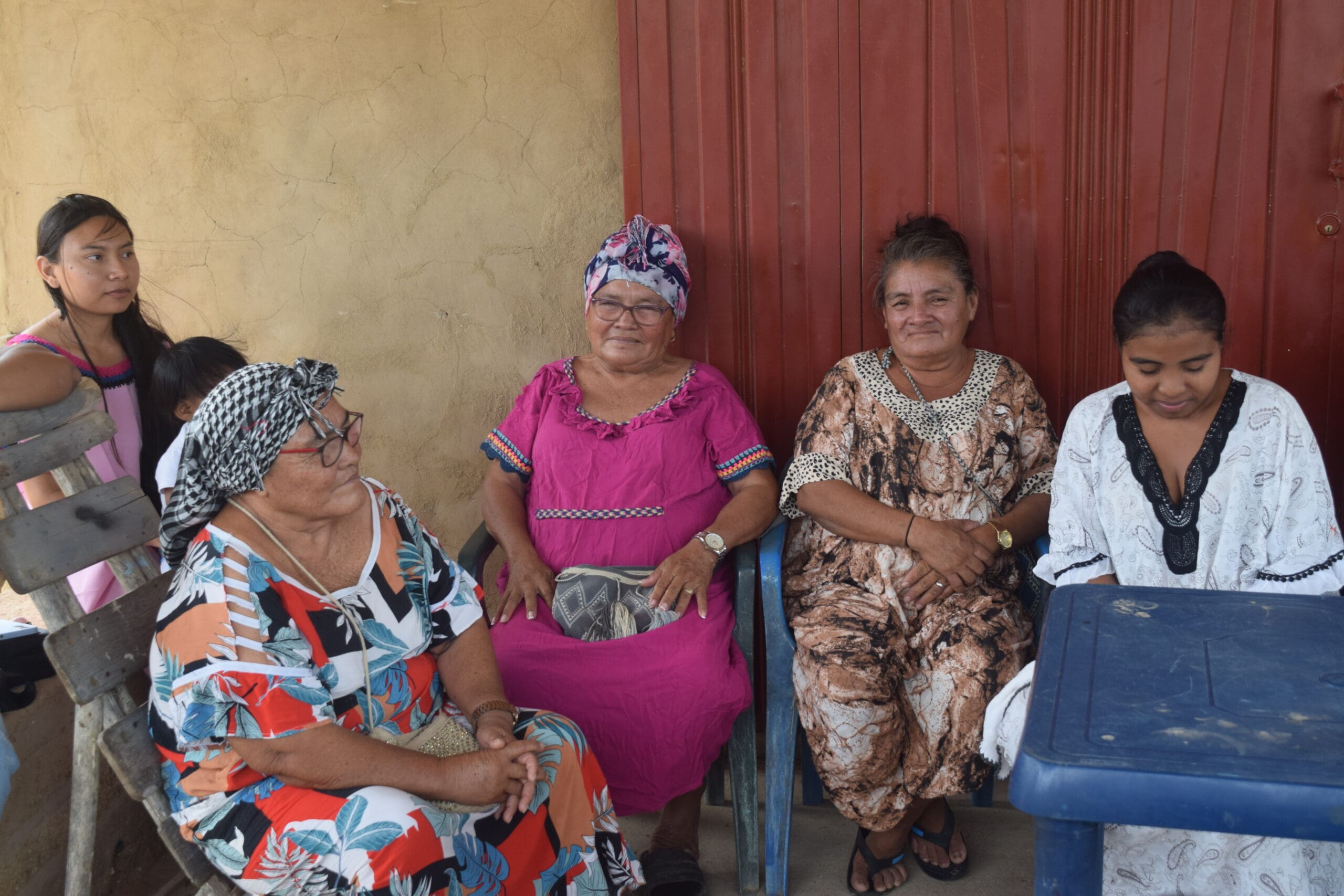
It is within this framework that the life plan of the Wayuu Indigenous community of Los Cabritos—Weaving Hope for Our Territory—was developed. Implemented in 2025 in the rural area of Riohacha, this process went far beyond producing a planning document. It became a collective space for dialogue, reflection, and organisation, where families could articulate shared concerns, aspirations, and priorities to project a dignified and sustainable future.
The methodology was grounded in participatory action, with each meeting designed as a space for active listening and collective construction. Children, young people, women, men, ethno-educators, and elders shared their perspectives on territory, culture, health, education, energy, productivity, and well-being. This weaving of diverse voices reflected not only the community’s cultural richness but also its commitment to building a shared vision in which just and sustainable energy plays a central role in territorial transformation.
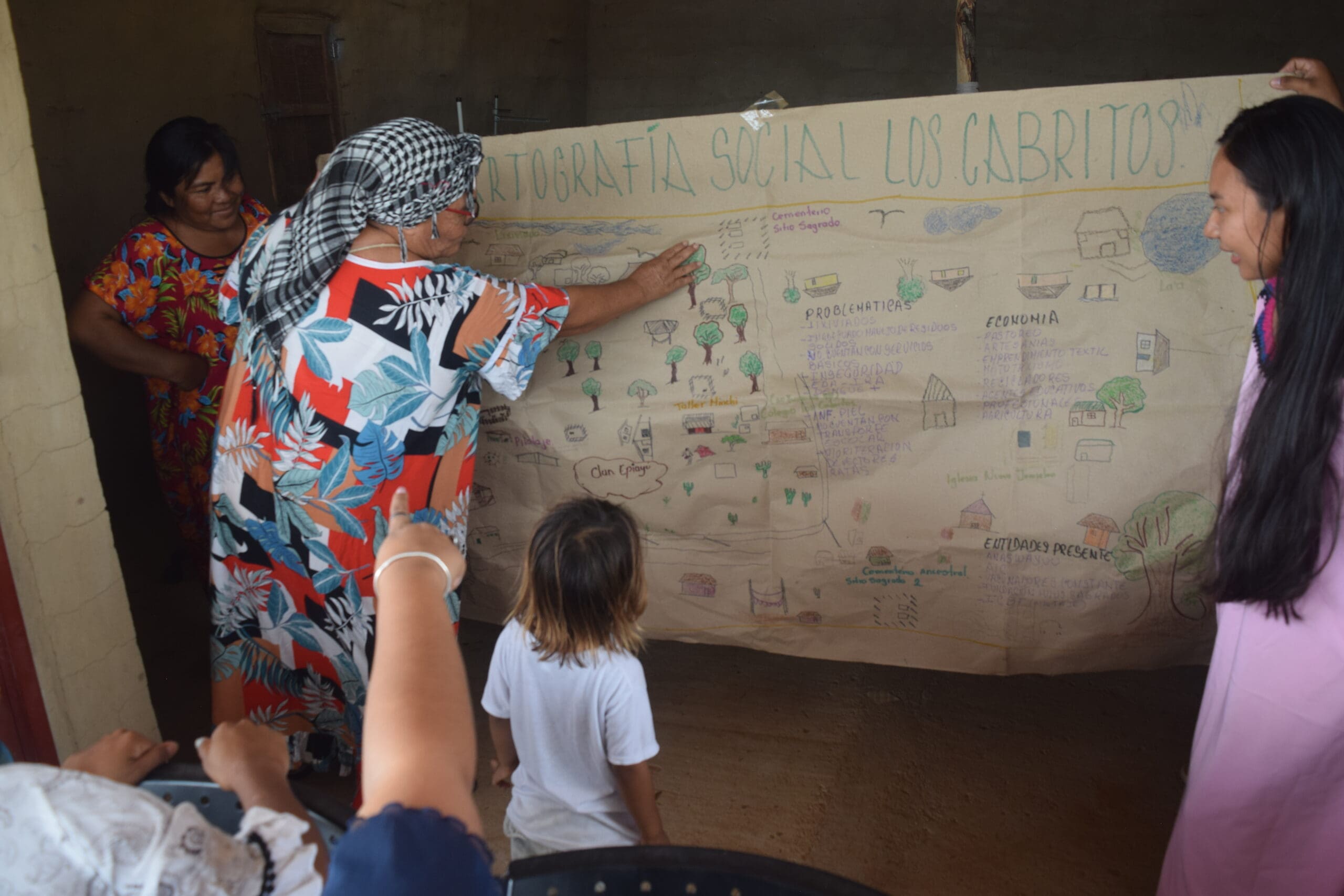
Across five community workshops and multiple conversations with local leaders—including traditional authority and community leader Amalfi Romero—the process employed participatory mapping, emotion galleries, brainstorming exercises, talking circles, and plenary discussions. Community members identified everyday challenges, analysed structural problems, and proposed collective solutions. Crucially, participation was inclusive and intergenerational: children expressed their experiences through drawings, young people shared educational and productive aspirations, women highlighted their roles as artisans and caregivers, and elders transmitted the ancestral knowledge that sustains Wayuu life.
Participation extended beyond consultation to become an exercise in cultural and political ownership. Families recognised themselves as part of a collective entity with a shared identity, responsibilities, and rights. Closing the workshops with the traditional Yonna dance symbolised gratitude, continuity, and the reaffirmation of community cohesion.
The process also brought to the surface key internal strengths. These included emerging youth leadership, which brings innovation and energy to collective initiatives, as well as the recognised legitimacy of the territory among both traditional authorities and public institutions. Together, these elements provide a strong foundation for defending collective rights and constructively engaging with external actors.
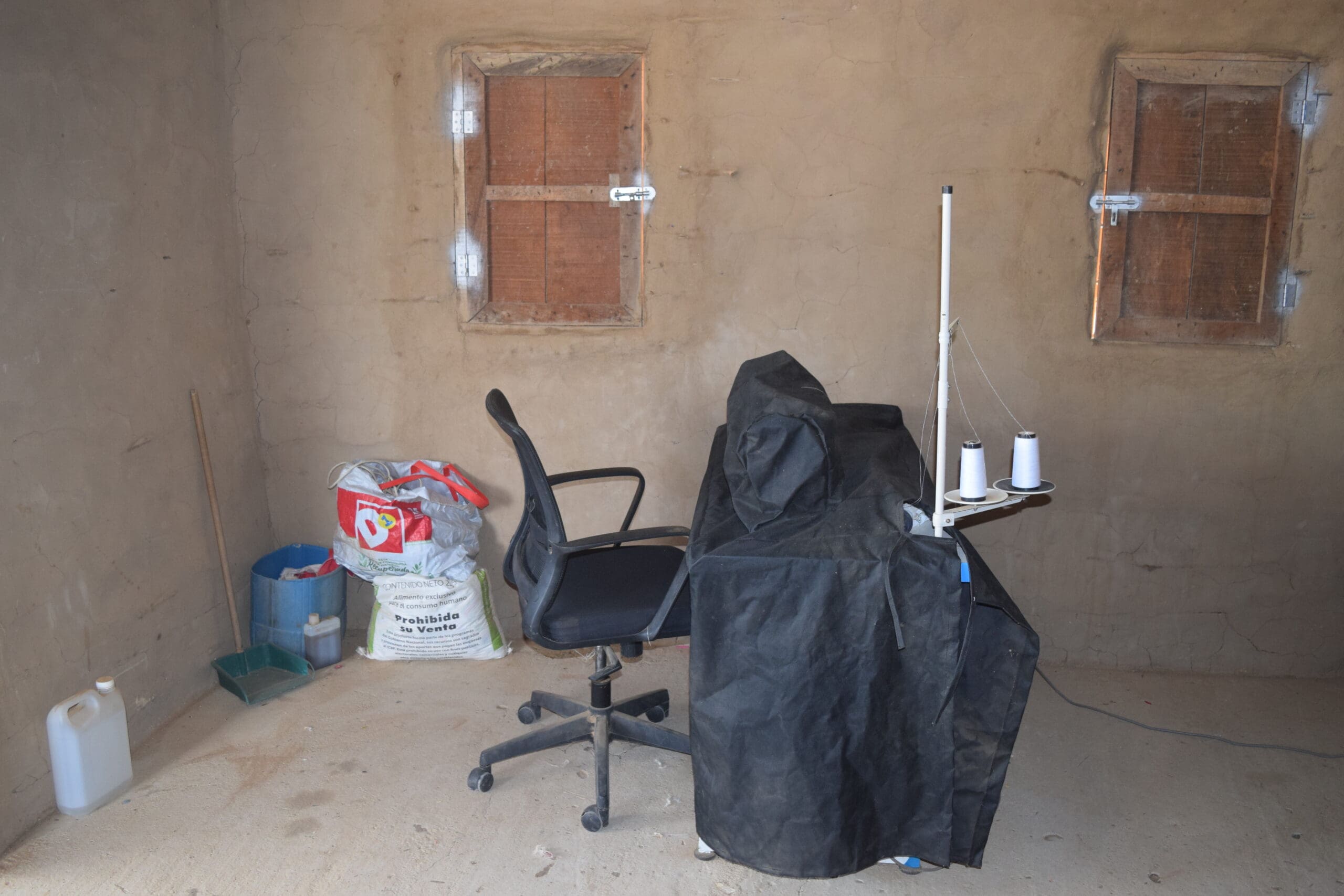
At the same time, the life plan made visible the structural challenges affecting community well-being: limited access to safe drinking water; severe environmental contamination linked to the Riohacha landfill; barriers to accessing higher education; a precarious electricity supply resulting from irregular connections; and the absence of a health system that integrates traditional Wayuu medicine with conventional care.
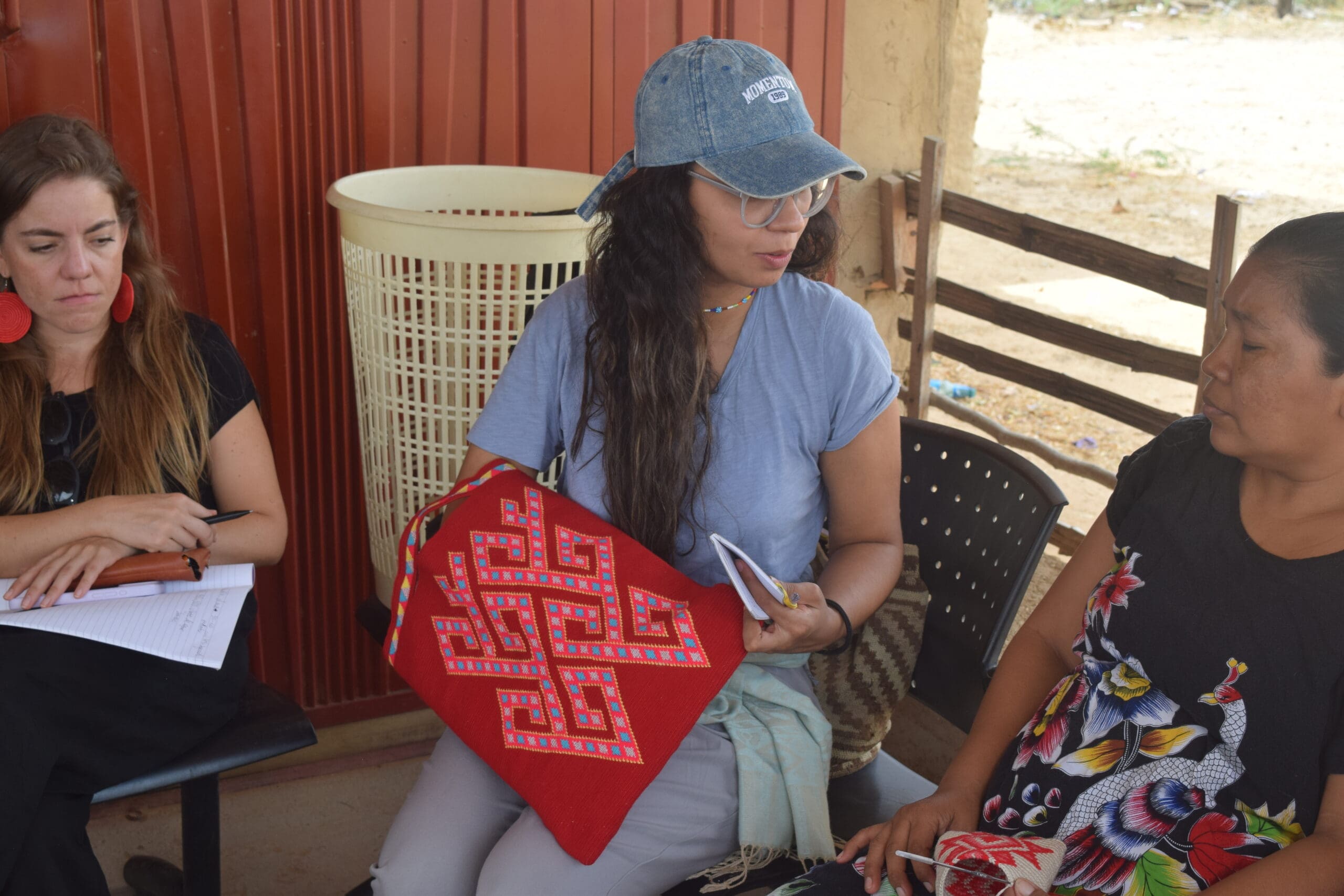
In response, the life plan for Los Cabritos articulates a comprehensive vision for development structured around eight strategic lines: defence of the territory; access to water; education; health and well-being; productivity; culture; food sovereignty; and sustainable energy. Together, these pillars outline a future in which the community can secure dignified basic services, strengthen their local economy, promote intercultural education, preserve their worldview, and manage the territory responsibly.
The experience of Los Cabritos demonstrates that a life plan is not merely a technical planning instrument; it is an act of cultural reaffirmation and self-determination. Through this process, the community not only defined priorities and actions but also strengthened its social fabric, revitalised the ancestral memory, and reaffirmed that development must be built from within—through the voices, emotions, and knowledge of the people themselves.
As such, the life plan stands as a bridge between the Wayuu worldview and the community’s dialogue with external institutions. It organises collective aspirations and responsibilities while providing a practical foundation for developing projects, mobilising resources, and implementing differentiated public policies. Above all, it represents a seed of hope—planted collectively—for future generations, grounded in sustainability, autonomy, and the cultural survival of the Wayuu people.
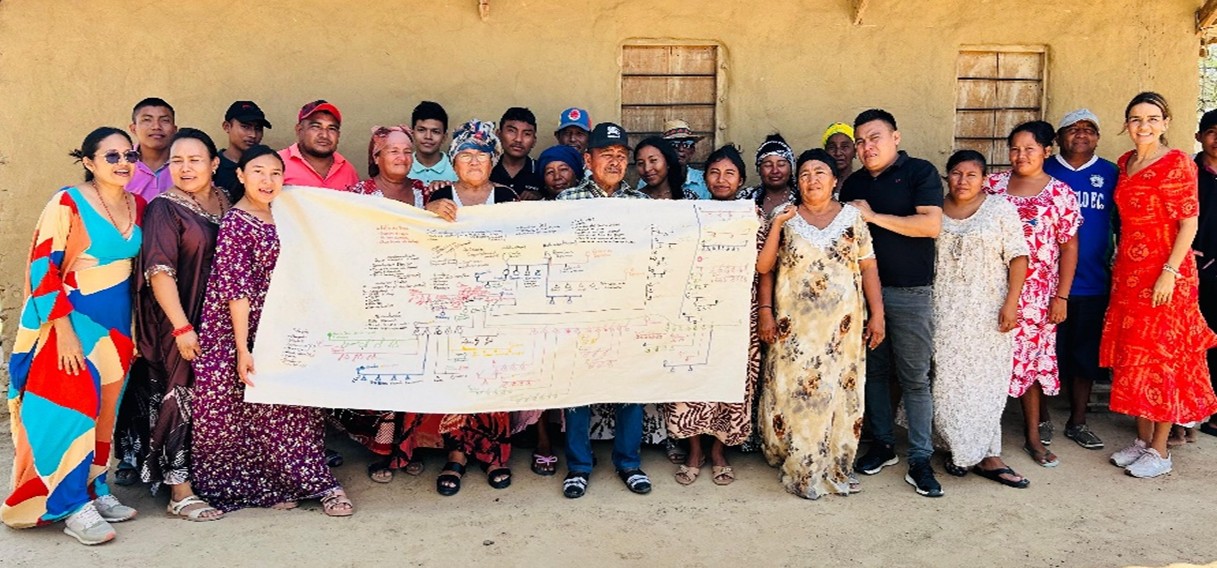
Wayuu Community of Los Cabritos, Riohacha, La Guajira, Photograph by Virginia Manjarrés, 2025.
Read more about about how the Innovation Regions for a Just Energy Transition (IKI JET) project is supporting the development of energy communities in Colombia here.
Virginia Margarita Manjarres is a Business Administrator and Master’s graduate in R&D Project Management, with over 16 years of experience in sustainability and territorial development. She leads the social component of GIZ’s work in Colombia under the IKI JET project.
Related Posts
Stay Informed and Engaged
Subscribe to the Just Energy Transition in Coal Regions Knowledge Hub Newsletter
Receive updates on just energy transition news, insights, knowledge, and events directly in your inbox.