
Profile
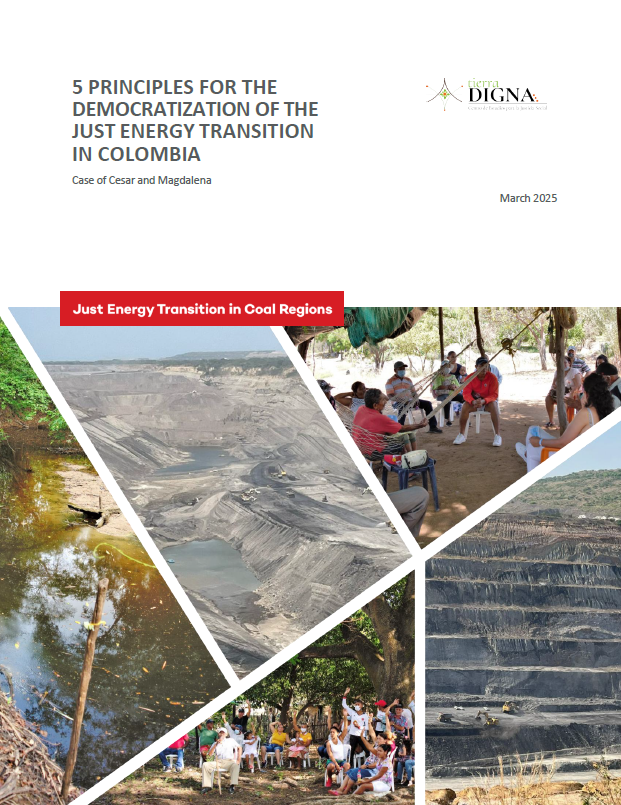
Just Transition in Colombia: The ASOPAMUDI Energy Community
Energy communities are a key part of Colombia’s just transition strategy. Combining community governance, productive use of energy, and sustainability to improve livelihoods, the energy community model can strengthen local economies and reduce vulnerability for remote populations.
As part of the Innovation Regions for a Just Energy Transition (IKI JET) project, the Deutsche Gesellschaft für Internationale Zusammenarbeit (GIZ) is supporting the development of several energy communities across the coal-dependent regions of La Guajira and Cesar.
What is the ASOPAMUDI Energy Community?
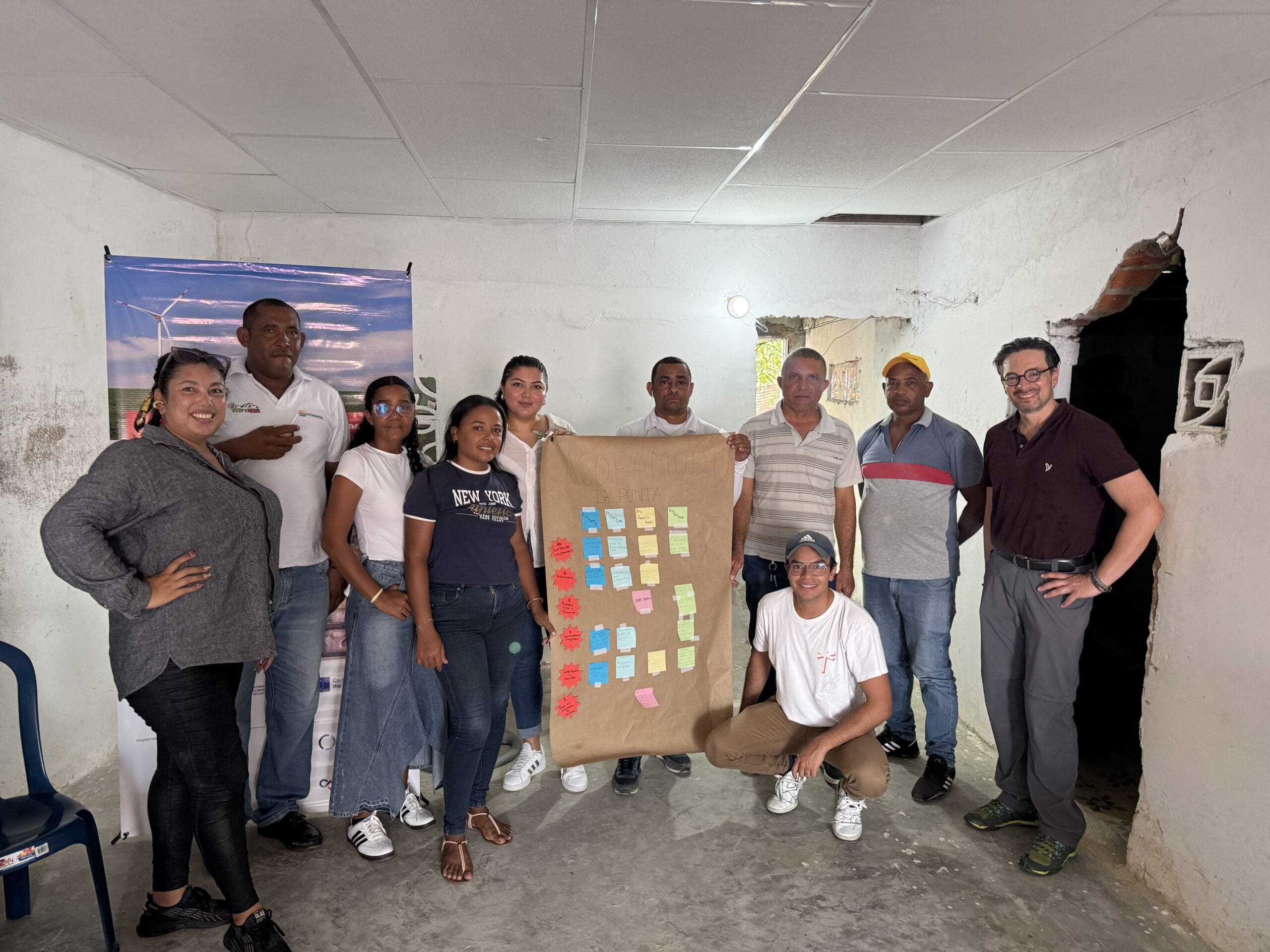
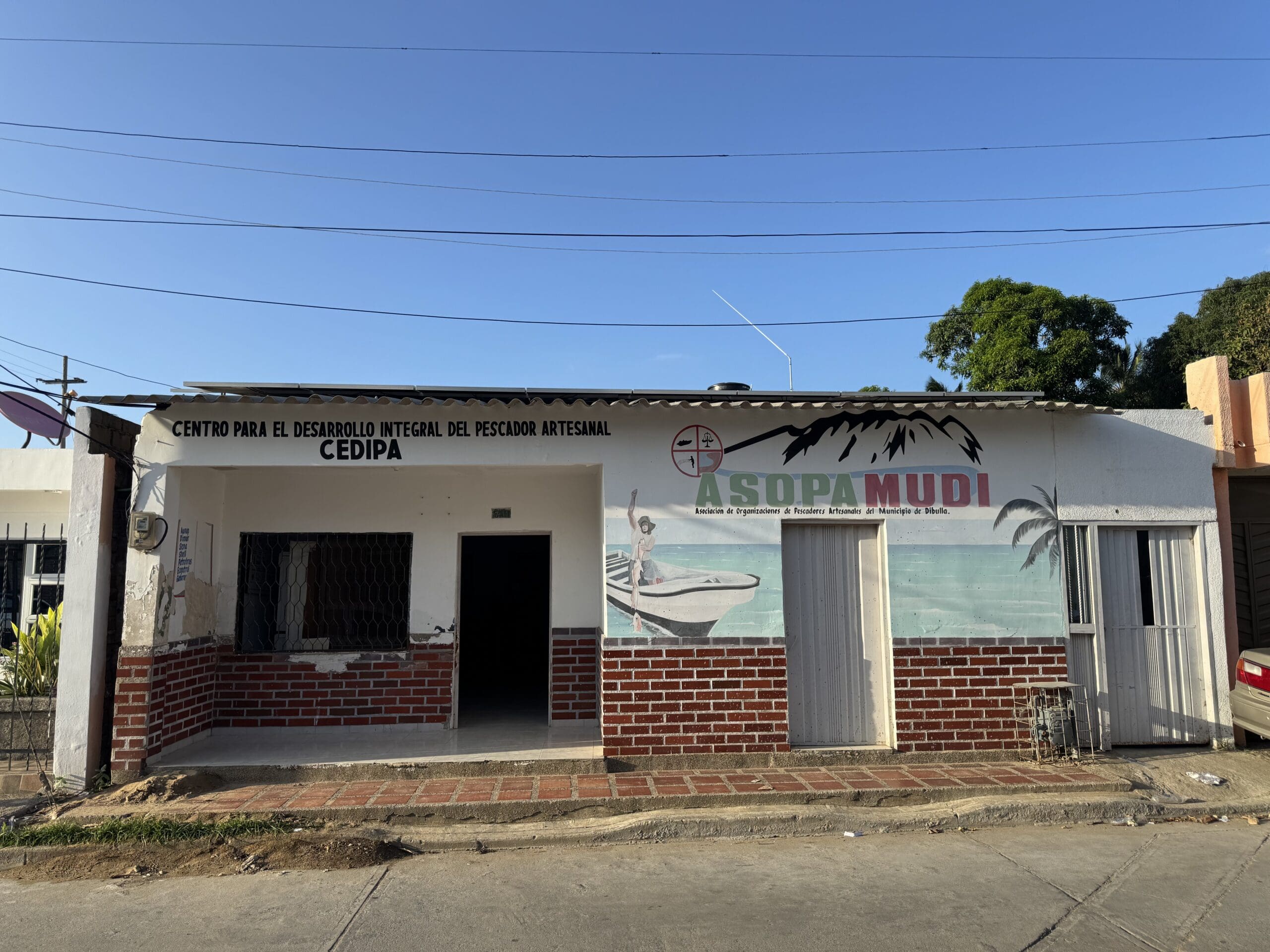
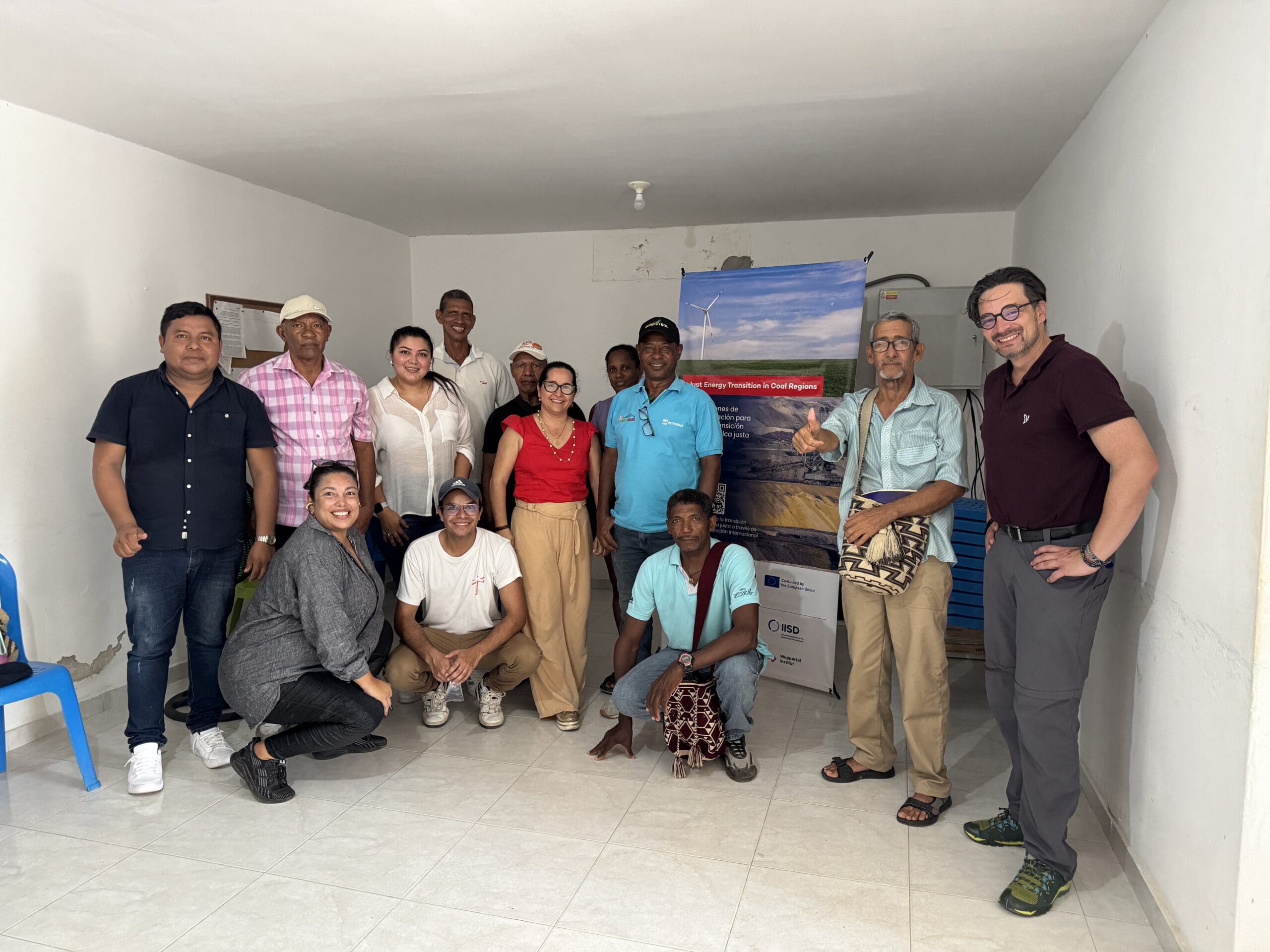
ASOPAMUDI is an association of 16 artisanal fisherfolk groups based in Dibulla, a municipality in La Guajira. With more than 20 years of experience, it supports its members by facilitating agreements and coordination with buyers and authorities. The association is setting up a fishing hub in Dibulla that will serve as a collection and sales centre for fish products. The facility will include a processing room, two cold storage units, and a solar power system connected to the grid.
What is the objective or community need?
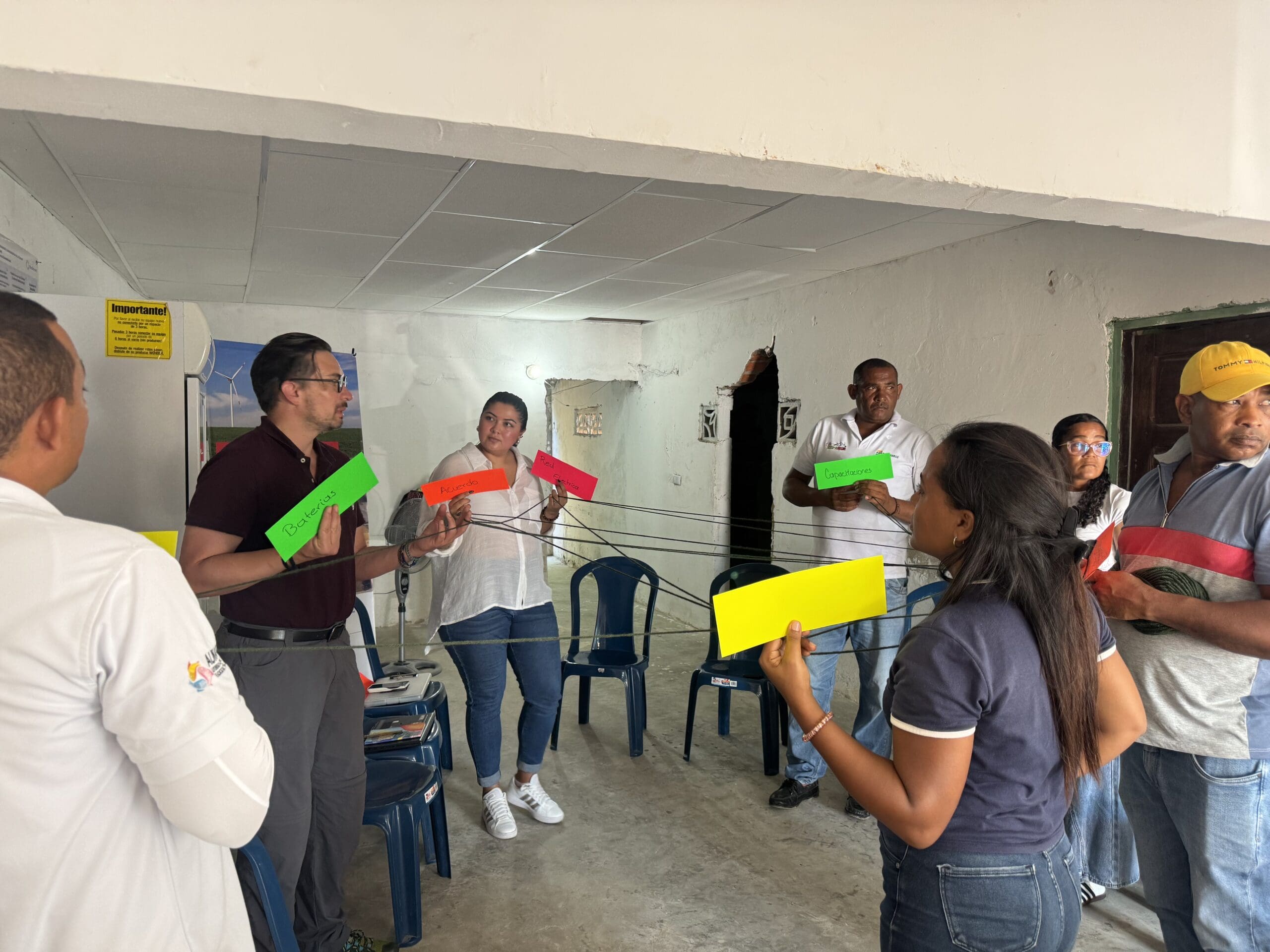
The community faces challenges in maintaining a reliable electricity supply to keep its cold storage system operating continuously and to preserve the quality of the fish. The existing solar energy system does not meet the fishing hub facility’s full demand. At the same time, the association aims to increase its income through larger direct sales of fish products; to reduce its reliance on intermediaries; and to strengthen the administrative, logistical, and technical capacities of its members for effective joint management of the facility.
How will being an energy community help?
By assessing and redesigning the solar power system to match real energy demand and integrating backup or storage systems, the community can avoid interruptions and maintain continuous operations. Efficient refrigeration and freezing systems tailored to actual needs will help preserve product quality and reduce losses, increasing income and stability.
What is the current status—and what are the next steps?
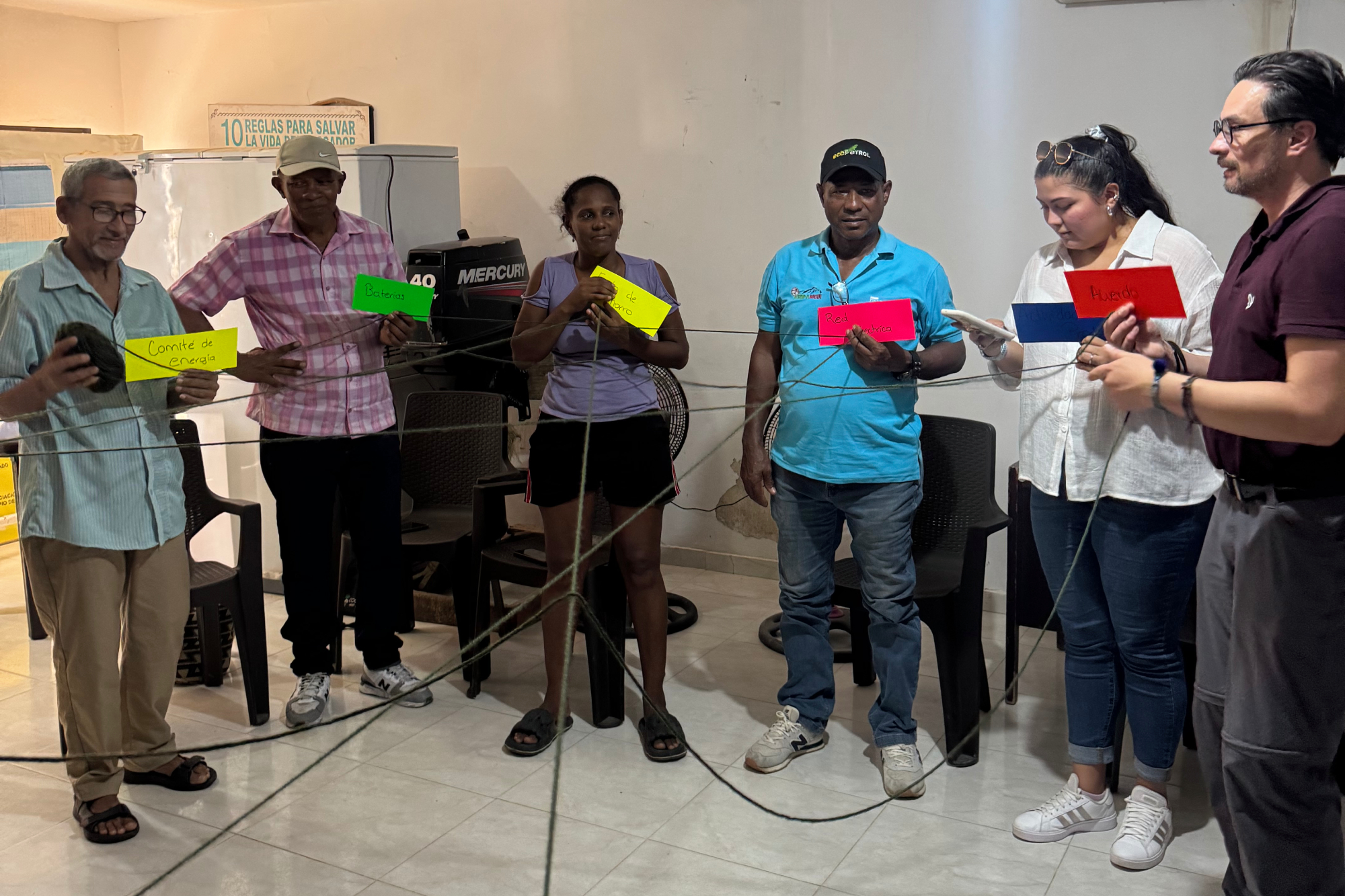
The technical and organisational diagnostic phase is currently underway, which involves assessing the existing energy system at the fishing hub facility and identifying options to expand capacity to meet the future demand of the collection centre. The next steps include completing the technical study of possible renewable energy solutions and developing a community strengthening plan that includes training in managing, running, and maintaining the new system.
Read more about about how the Innovation Regions for a Just Energy Transition (IKI JET) project is supporting the development of energy communities in Colombia here.
Related Posts
Stay Informed and Engaged
Subscribe to the Just Energy Transition in Coal Regions Knowledge Hub Newsletter
Receive updates on just energy transition news, insights, knowledge, and events directly in your inbox.