
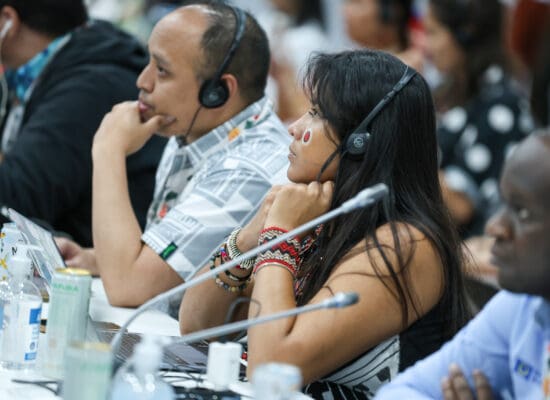
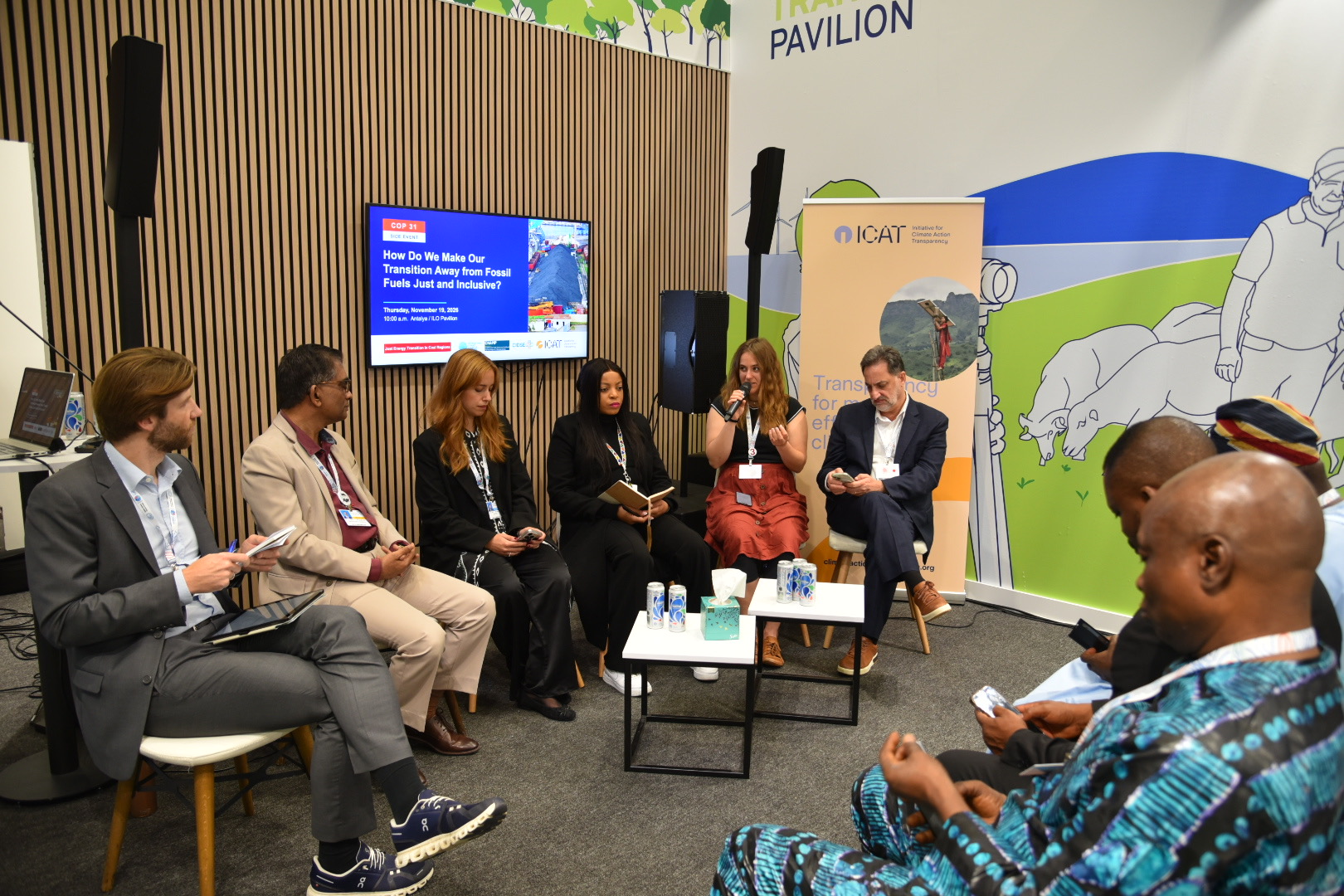
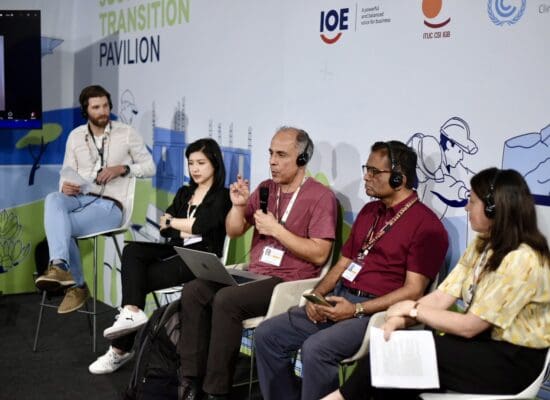
How can countries ensure that the transition away from fossil fuels creates decent jobs, supports affected communities, and delivers tangible improvements in people’s lives? This question brought together representatives of governments, international organisations, trade unions, and civil society at a COP 31 event on 19 November 2026 at the International Labour Organization (ILO) Just Transition Pavilion in Antalya, Türkiye.
The event posed the big question: how do we make our transition away from fossil fuels just and inclusive? The discussion, moderated by Jonas Kuehl from the International Institute for Sustainable Development (IISD), explored how community participation, inclusive institutions, multilevel governance, and monitoring can work in alignment to translate climate commitments into action.
The event was organised by five initiatives that approach the just transition from complementary perspectives: the International Climate Councils Network (ICCN), the Initiative for Climate Action Transparency (ICAT), the Coalition for High Ambition Multilevel Partnerships (CHAMP) for Climate Action, CIDSE (Coopération Internationale pour le Développement et la Solidarité), and the Innovation Regions for a Just Energy Transition (IKI JET) project, of which IISD is a consortium partner.
From ideas to implementation: Nigeria’s experience
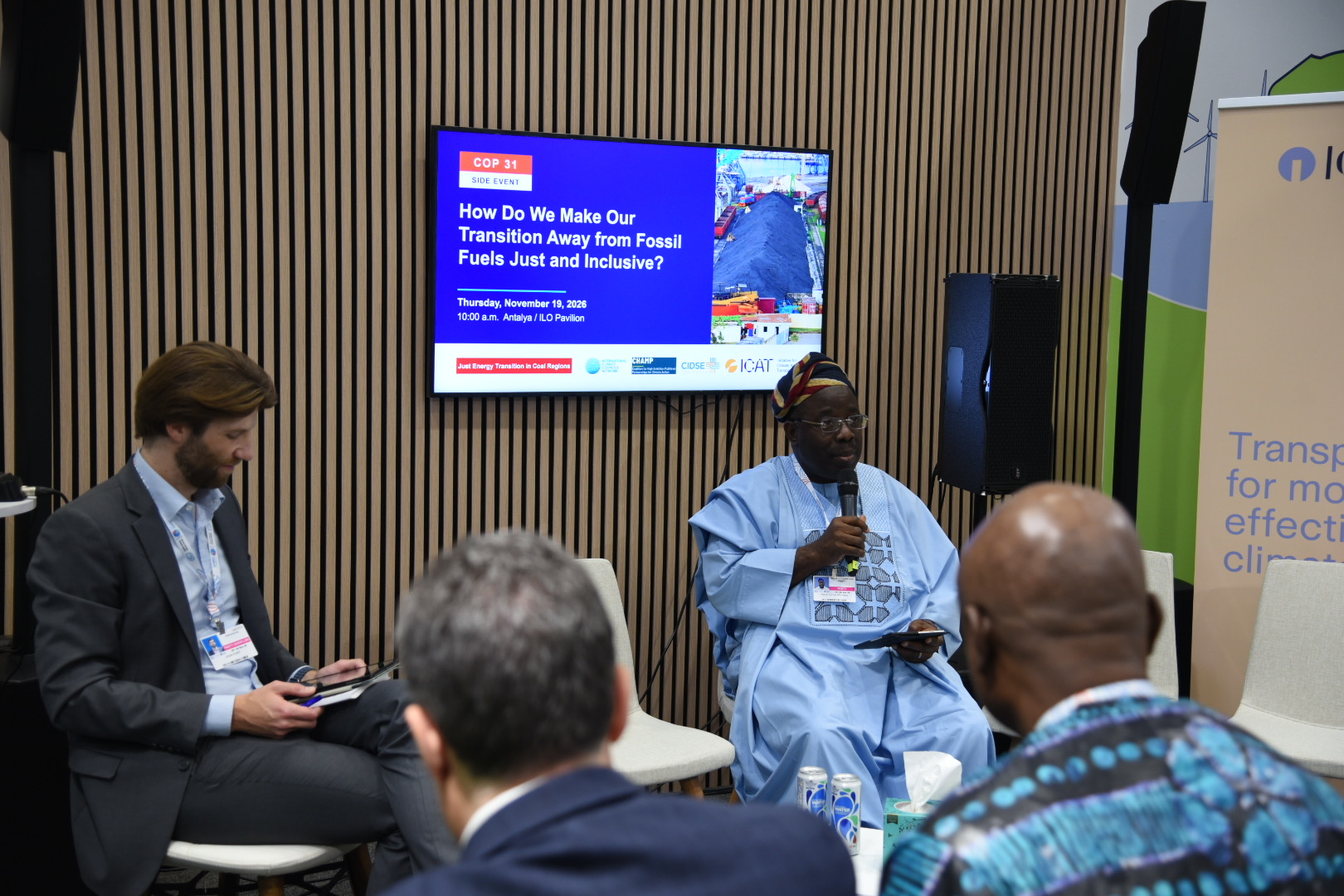
Opening the event, Kamil A. Shoretire, Permanent Secretary of Nigeria’s Federal Ministry of Labour and Employment, highlighted the challenges experienced by developing countries that depend on fossil fuel for employment and government revenues while continuing to deal with significant issues relating to development and energy access.
Shoretire emphasised that reducing emissions must go hand in hand with protecting livelihoods, creating decent jobs, and addressing inequality. He outlined Nigeria’s Just Transition Guidelines and Action Plans, adopted in 2025, and announced a second phase of cooperation with ICAT to operationalise the country’s Just and Gender-Inclusive Transition Monitoring, Reporting and Verification (MRV) Framework.
This joint work with ICAT will strengthen how employment, occupational health and safety, social protection, and other socio-economic impacts of the transition are monitored. Shoretire stressed the need to reach informal workers, who often lack access to labour protection measures and opportunities to retrain. He also called for international financing that reaches workers and communities.
Putting workers and communities first
Boitumelo Molete, Commissioner of South Africa’s Presidential Climate Commission (PCC) and representative of organised labour in South Africa, explained how independent climate councils can strengthen social dialogue and bring workers’ perspectives into national climate policies.
Molete explained how the PCC brings together trade unions, civil society, academia, and other stakeholders. She stressed that workers possess essential knowledge about the challenges they face, so they should help shape policies that affect them, such as those on social protection, skills development, and decent employment. Reflecting also on the closure of the Komati coal-fired power station, Molete underscored the importance of translating plans into tangible support for affected communities, as well as institutionalising participation to strengthen accountability.
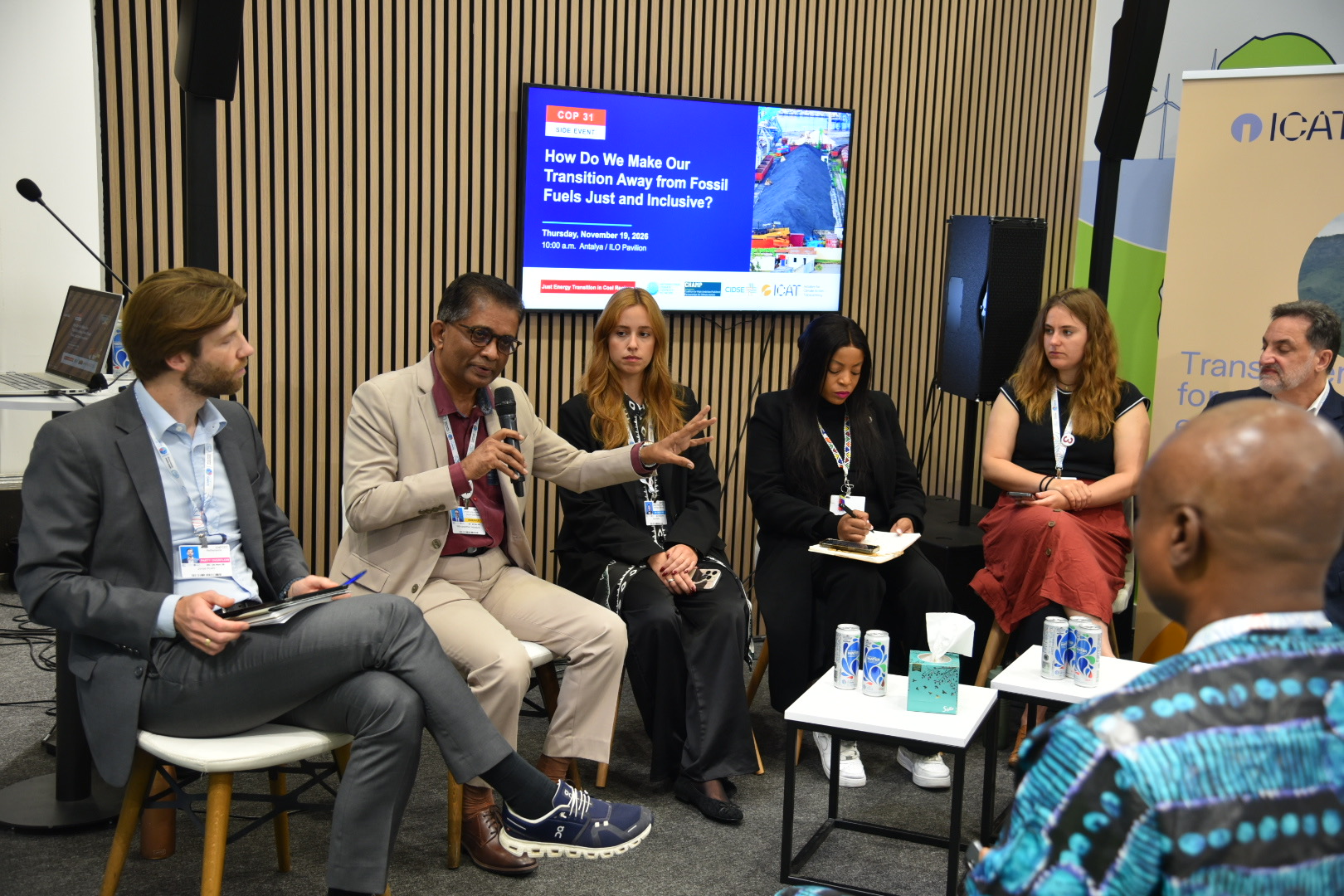
Staying on the topic of workers and communities, Nithi Nesadurai from Climate Action Network Southeast Asia shared some experiences from IKI JET’s work in the Indonesian coal regions of East Kalimantan and South Sumatra.
Working with local partner Yayasan Mitra Hijau, the project has engaged women, young people, journalists, universities, and small businesses to strengthen awareness, build capacities, and support alternative livelihoods. The examples shared by Nesadurai included entrepreneurship support for women whose livelihoods depend indirectly on coal mining, and cooperation with universities to prepare young people for employment beyond coal.
Nesadurai also highlighted regional consultation forums for developing roadmaps for economic transformation. These forums bring together provincial governments, businesses, trade unions, and civil society, connecting community perspectives with regional planning. They demonstrate that participation can move beyond awareness-raising towards influencing economic development priorities.
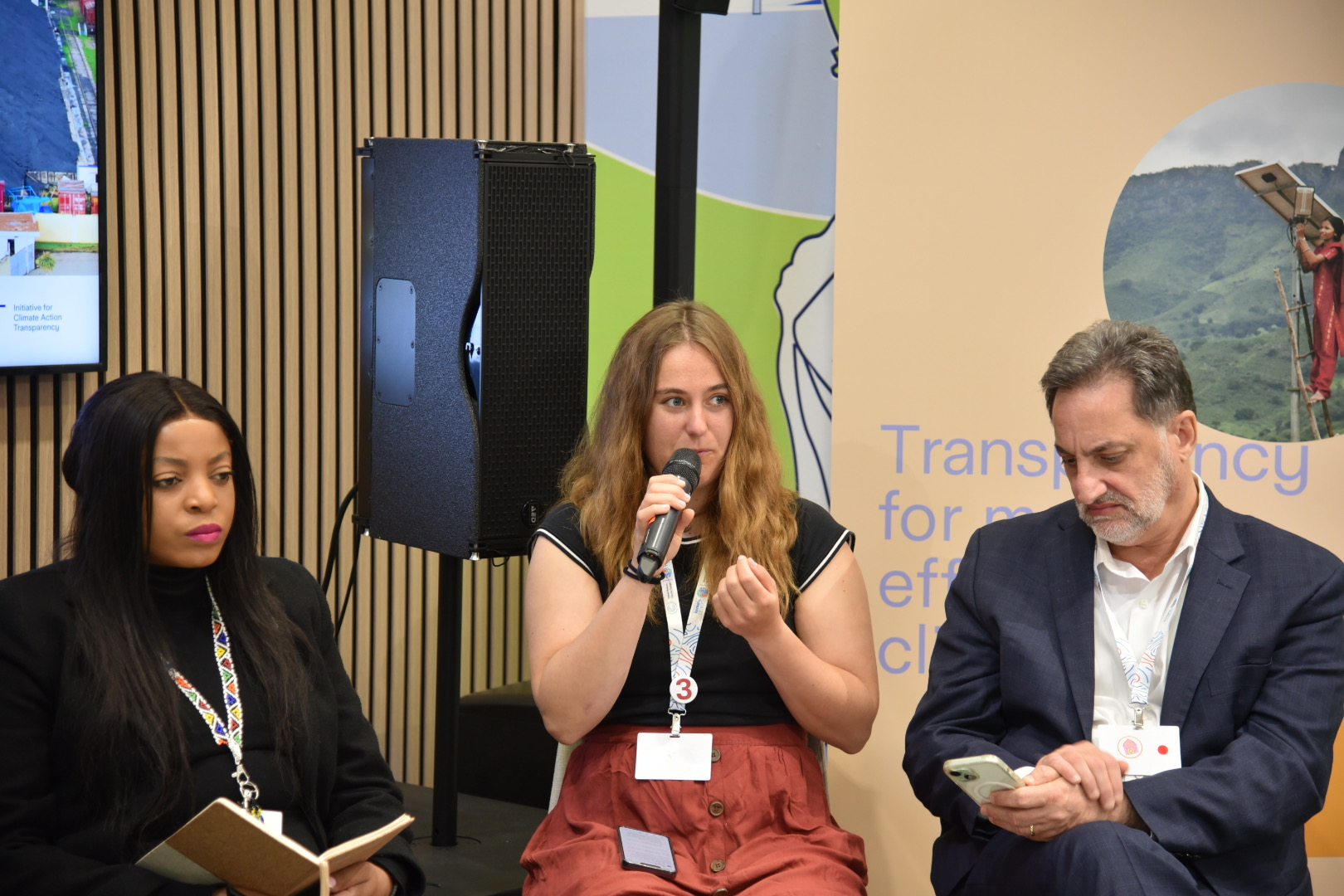
Civil society and international cooperation
Madeleine Alisa Wörner from Misereor, representing CIDSE, emphasised civil society’s role in building trust by bringing together different interests and ensuring that the experiences of affected communities inform political decisions.
Wörner highlighted that civil society organisations are well positioned to identify inequalities that might otherwise remain invisible, hold decision-makers accountable, and help communities develop shared visions for their future. However, given the unequal distribution of power and resources among communities, government, and businesses, it is essential that engagement is sustained and that openness to dialogue is genuine.
She also put forward that the Santa Marta process (which included the first International Conference on Transitioning Away from Fossil Fuels in Colombia in April 2026) offers an opportunity to strengthen international cooperation on a just and equitable transition, especially for developing countries and for communities that depend on fossil fuel. Civil society, including faith-based organisations, can help ensure that justice, equity, and community perspectives remain central to these international efforts.
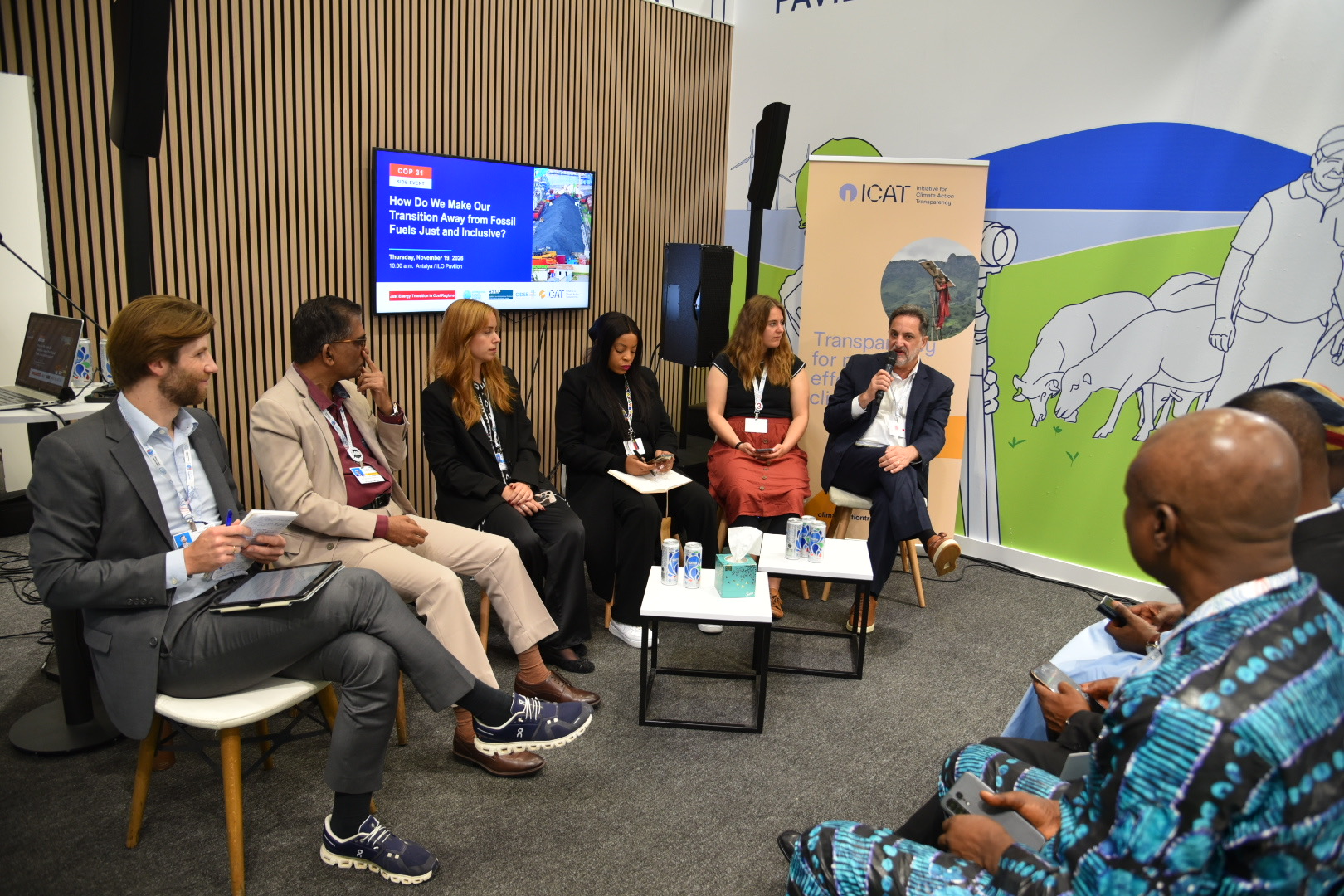
Connecting national and local action
David Waskow from the World Resources Institute (WRI), representing CHAMP, spoke about the importance of cooperation between national and subnational governments.
He noted that 79 national governments had joined CHAMP and discussed efforts to strengthen multilevel cooperation in sectors such as transport electrification and waste management. Drawing on Germany’s experience of coal phase-out, he stressed that national climate policies must be aligned with regional economic transformation.
Waskow also focused on emerging roadmaps for the transition away from fossil fuel, including Brazil’s work on assessing transition readiness and Québec’s plans to develop a subnational roadmap. He stated that effective implementation requires coordination across different levels of government, alongside adequate local capacities and resources.
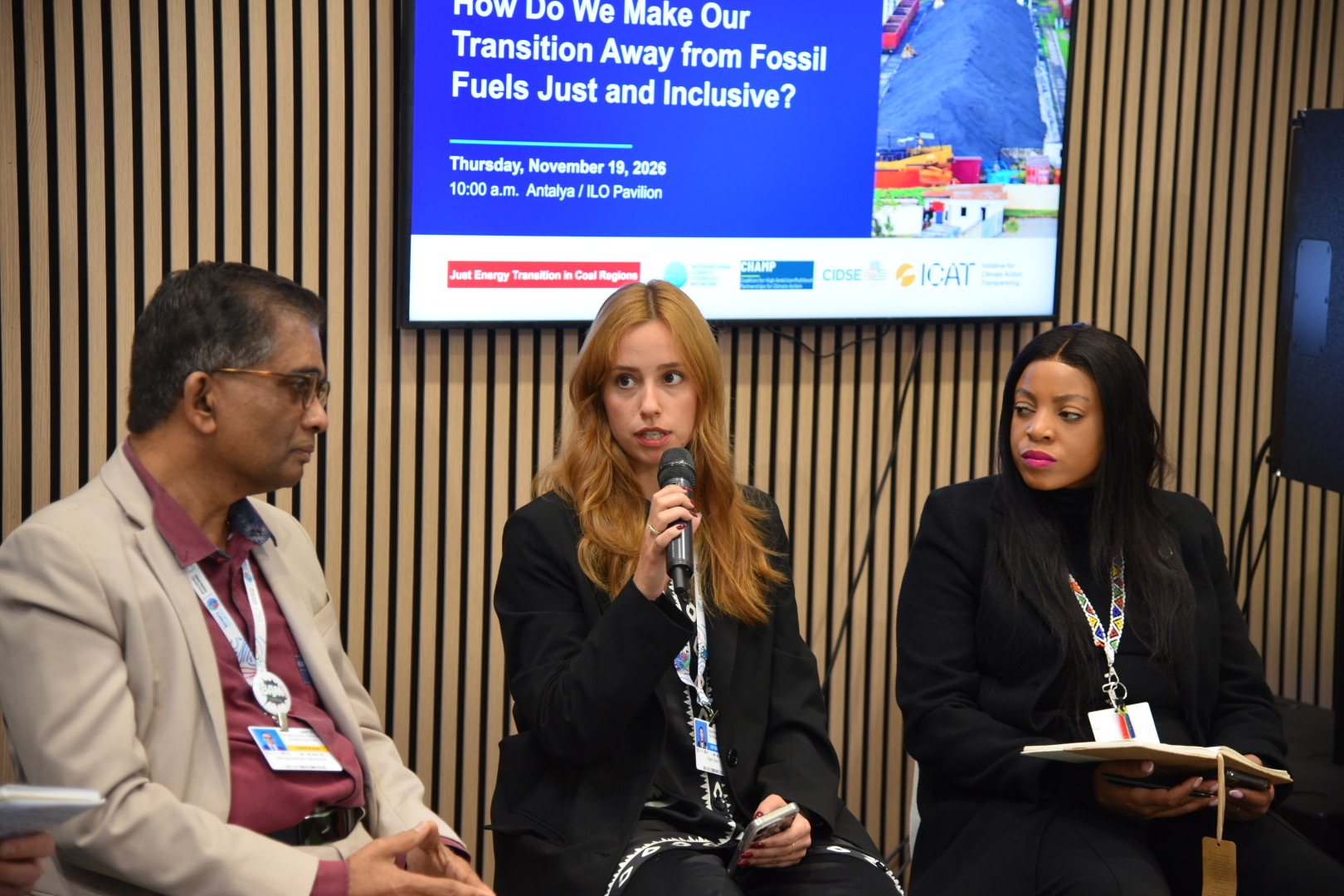
Monitoring whether the transition is just
Eleni Patra from ICAT highlighted the importance of transparency and monitoring in helping governments to assess who benefits from climate action, who bears the costs, and whether vulnerable groups are being left behind.
She presented ICAT’s work supporting just transition monitoring frameworks in Brazil, Nigeria, and South Africa, drawing on the Just Transition Monitoring Guide developed with WRI. In Brazil, the process of creating a monitoring roadmap for the national climate plan involved consulting Indigenous Peoples, civil society, academia, and industry, which helped to align climate policies with socio-economic priorities. In Nigeria, ICAT supported a gender-inclusive monitoring framework by facilitating cooperation between government, workers, and employers, while in South Africa, it is supporting the integration of just transition monitoring into national policies.
Patra stressed that monitoring should be developed alongside just transition strategies, with meaningful stakeholder participation. Tracking progress against agreed indicators can make it possible to identify inequalities and unintended impacts, so governments can adjust their policies and better support the workers and communities who are affected.
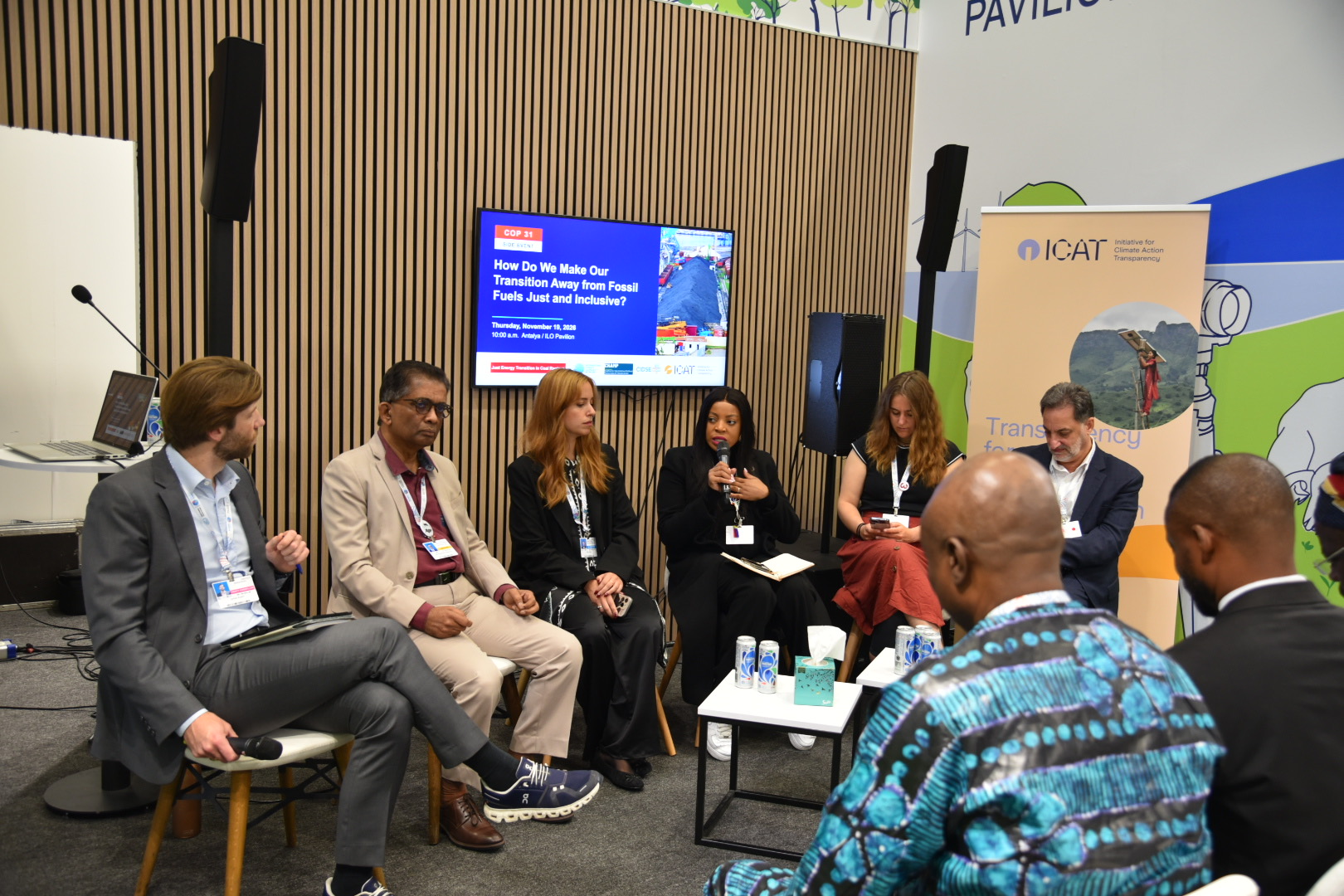
Bringing complementary approaches together
A central message emerged from the discussion: to translate commitments to a just transition into tangible improvements for workers and communities, several different approaches are needed – and those approaches need to reinforce each other.
Several lessons stand out. First, meaningful participation requires more than consultation: to be able to influence the decisions that will affect their future, workers and communities need the appropriate knowledge, resources, and institutional opportunities. Second, national commitments must not only be connected to regional priorities for economic development, but also be supported by effective institutions, social dialogue, and cooperation between the different levels of government. Third, monitoring and transparency are equally important for assessing progress, identifying where policies can be strengthened, and ensuring that the benefits and costs of the transition are distributed fairly.
The event demonstrated how the differing approaches of the five organising initiatives can complement one another. Their work—from community engagement and inclusive governance to multilevel cooperation and monitoring—can also contribute to broader international efforts, including the Santa Marta process, to advance a just and equitable transition away from fossil fuel.
Ultimately, the challenge is to translate credible transition plans into lasting improvements in livelihoods, economic opportunities, and social inclusion for the people and communities most affected by the transition away from fossil fuels.
Related Posts

Stay in the loop
Subscribe to the Just Energy Transition Knowledge Hub Newsletter
Get the latest just energy transition news, analysis, reports, and events delivered to your inbox.