
Interview
From Coal to New Livelihoods: What Transforma is learning about labour reconversion in Colombia's transition regions
Juan Pablo Cárdenas Álvarez in conversation with Giovanni Pabón, Energy Director at Transforma
Lea el artículo en español.
Country:
Colombia,
Organisation:
IISD,
Transforma,
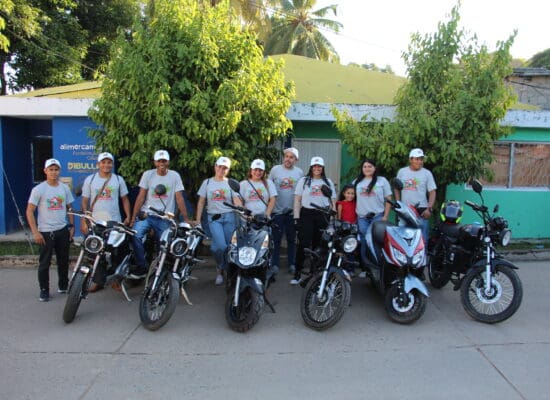
Colombia’s coal transition is often viewed primarily as a policy and investment challenge. In reality, it is as much of a challenge for employment and livelihoods. According to Transforma, a Latin American think tank that promotes justice-centred climate action, effective labour reconversion begins before the relevant coal site—a mine or a power plant, for example—closes: it starts with accepting the scale of risk, mapping who is exposed across the wider value chain, and building pathways that combine training, certification, job connection, and sustained guidance.
In this interview, Energy Director Giovanni Pabón explains how Transforma’s labour and productive reconversion work evolved, why it began with coal power plants, how professional licences issued by the national regulator (the National Council of Electrical Technicians [CONTE]) are helping ex-miners with the reconversion, and why “graduating” people is not the same as guaranteeing stable livelihoods.
How did Transforma’s work on labour reconversion begin, and where are you focusing today?
We started working on labour reconversion and productive reconversion in Barrancabermeja, Santander, because it’s a key oil-producing zone, where oil can make up over 80% of the local economy. We began working there in 2022, and in 2025 we selected a small group of 20 people from the local communities (of which 13 are now left). This group will finalise their studies and receive formal accreditation as solar photovoltaic (PV) technicians in 2026.
Our intention has been to look at where coal is used, where it is economically central, and where it might be phased out within a few years, causing a major economic shock. We assume that a transition is coming and that coal is likely to be the first fuel to be phased out. This will entail two challenges: an economic reconversion challenge in coal-dependent regions (both production and use), and an energy reconversion challenge in the broader system.
We have three focal areas. One is in Paipa, Boyacá, where we’ve worked on value-chain analysis, delivered short solar energy courses to workers, and supported alternatives like community agriculture. Second, we’re focusing on communities around the thermal power plant of Termoguajira in La Guajira, where we have supported 16 fishers’ associations with new equipment to promote an increase in productivity. Lastly, we’ve worked in La Jagua de Ibirico, Cesar, on labour reconversion for 60 former coal-mine workers.
In August 2026, we will complete the training—mainly in PV—of more than 90 people in three regions of Colombia that are economically dependent on oil and gas extraction, and where the decline in these activities has resulted in significant unemployment.
Where do you see the biggest challenge for reconversion?
In any transition, whether it’s an energy or an economic transition, there are winners and losers. We focus on supporting the most vulnerable in the energy value chain. There are workers inside the power plant, but there are also people outside the plant who are still part of the coal value chain: those who work in transport, connected services, and mining on different scales. Those people will be affected too.
Consider a person who is 45 years old. They’re still far from retirement, but they’re also a long way from the start of their career. They’ve spent 20 to 25 years in an occupation. That person is not simply going to “become something else” overnight.
A 45-year-old living in a small town and working for a big power generation company isn’t necessarily going to move into a fishing value chain the next day. So, the challenge is to strengthen value chains where people already live and work.
How does that relate to the professional CONTE licences?
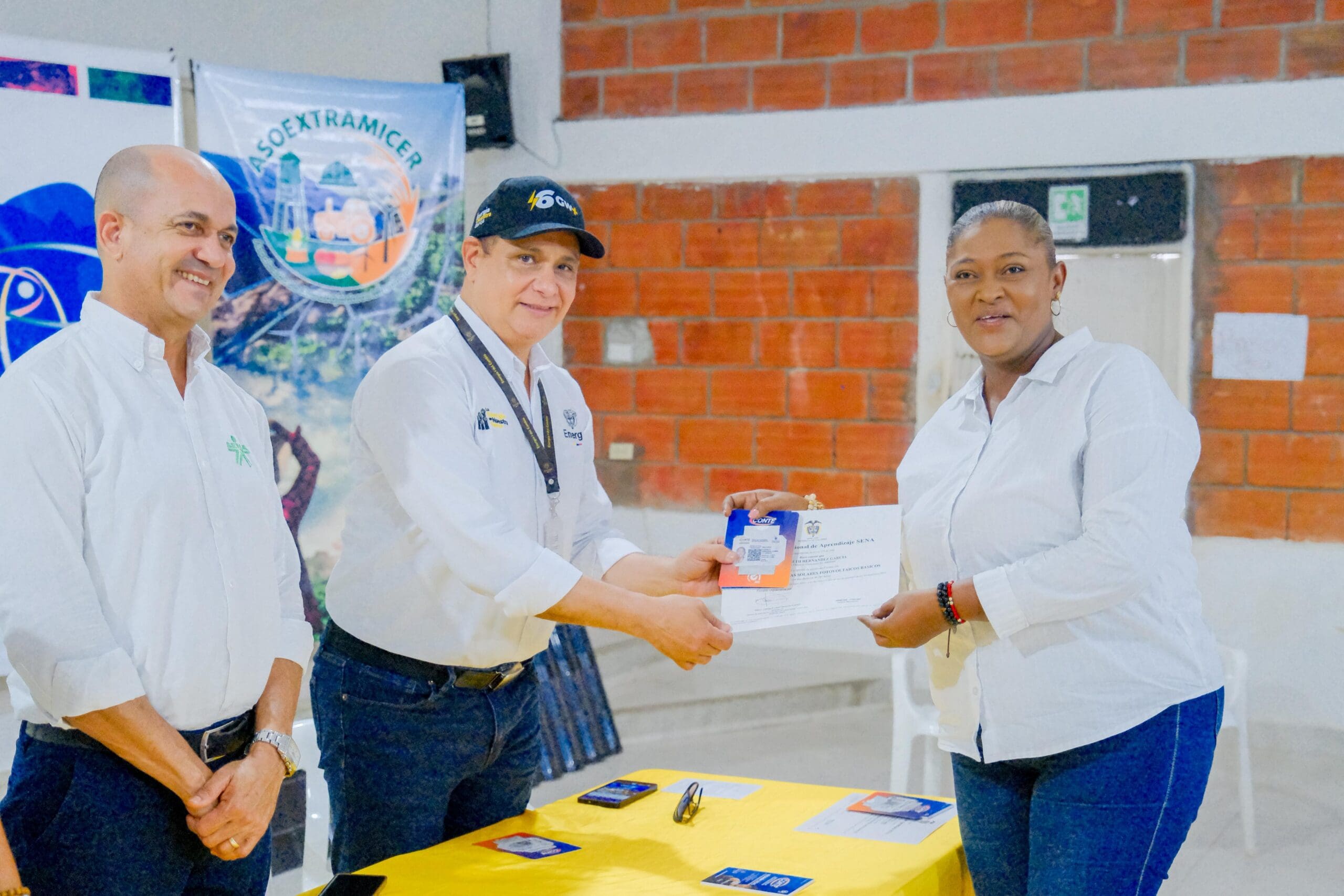
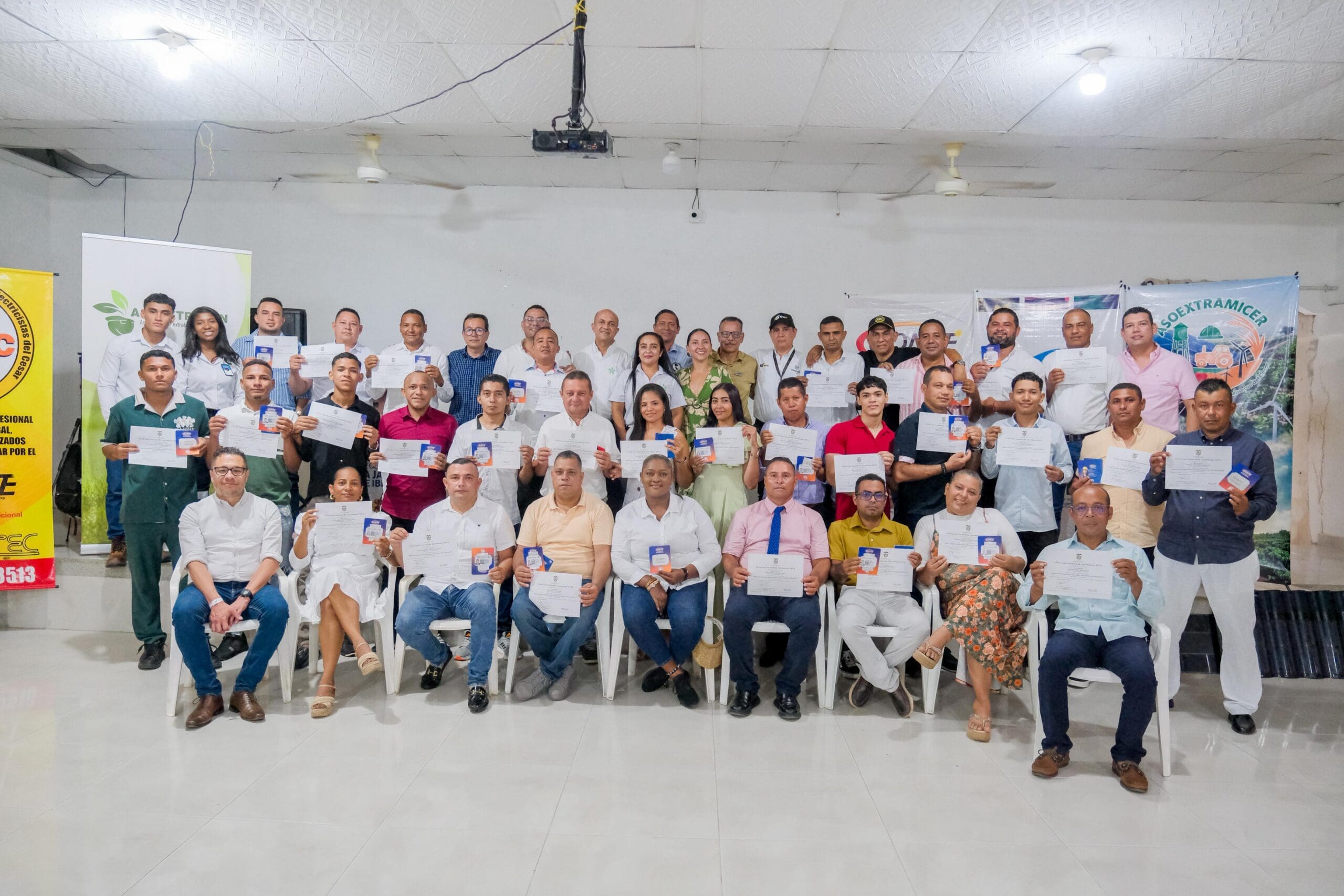
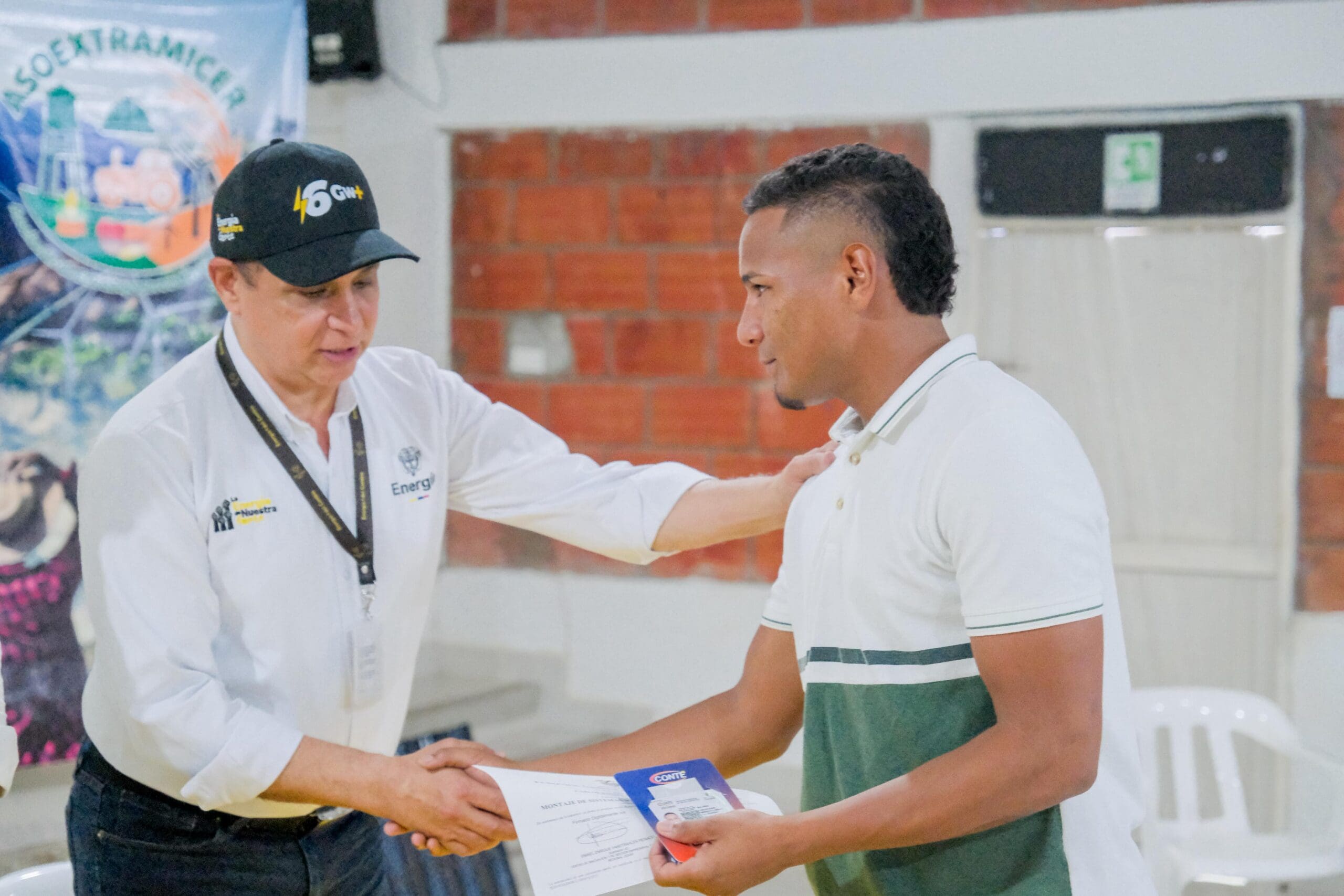
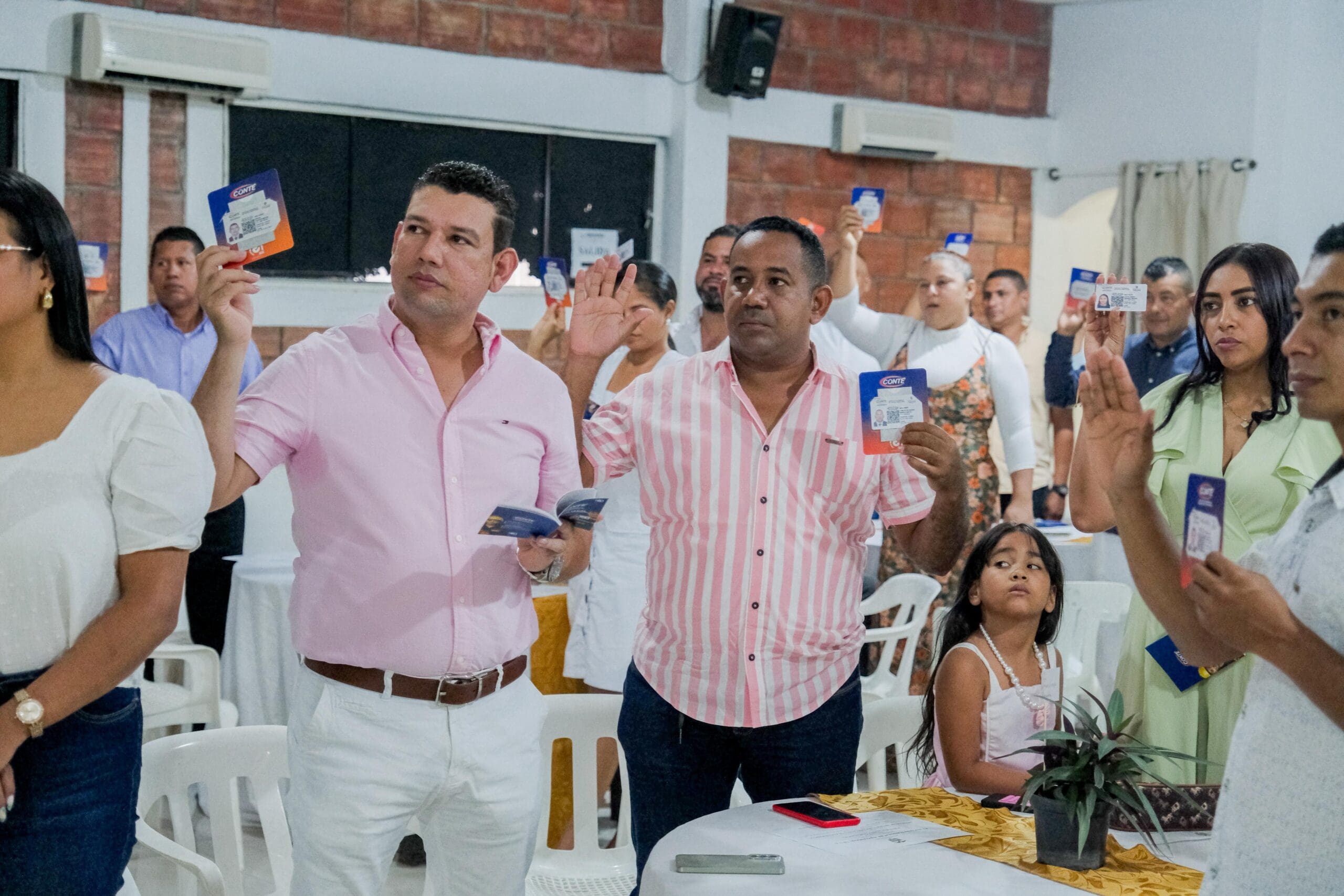
We’re collaborating with the Ministry of Mines and Energy and have already issued 60 CONTE licences to former coal mine workers in La Jagua de Ibirico so they can start building a new future for themselves. These workers, affected by sudden coal mine closures, have become the first group to be retrained as electrical technicians.
The ministry has organised a programme to offer workers training, provided directly by the National Learning Service (SENA) and using a PV training laboratory set up by Solenium, a private company. Transforma helped them acquire their CONTE licences, which they need to have before they can practise as electrical technicians.
How did the licensing process feel for participants?
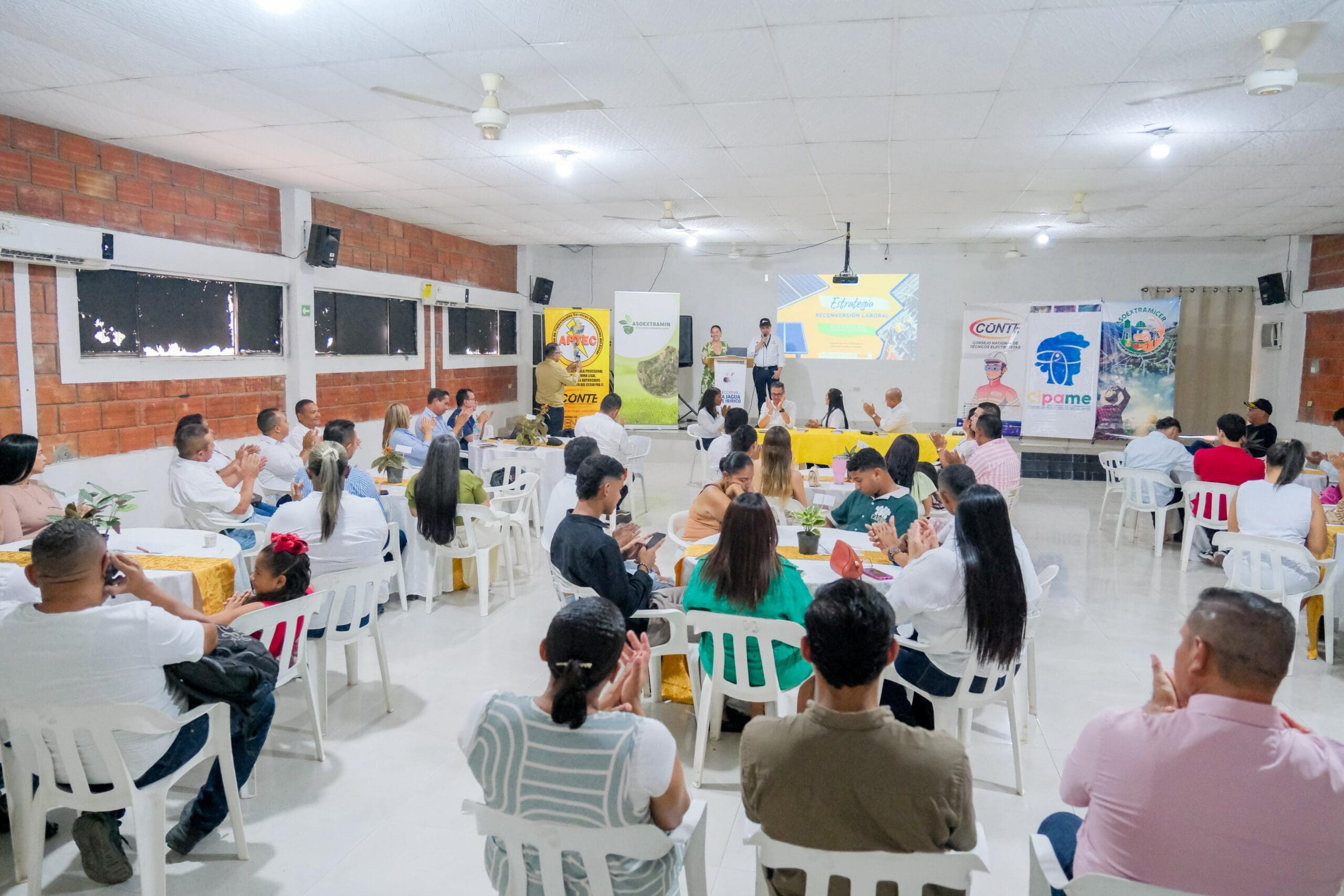
Very emotional—it really was like a graduation. People came, with their families by their side, through a transition and to a second opportunity. I saw incredible optimism, motivation, and renewed spirit. And that’s why you can’t leave people on their own after that moment. You must organise them, connect them with companies, and support further learning, including on regulation. The training took about four to five months, and that was just the start.
What comes after the CONTE licences?
We need to be honest: this can’t become a programme focused only on producing licences and graduations. Sixty technicians is a lot in a sector that’s still emerging. Large renewables projects generate many jobs during construction—for 6 months, 8 months, or a year—but very few long-term operations jobs.
After delivering the licences, associativity is the next step. The idea is not that a person receives a CONTE licence and is then left to their own devices to find a job. If each individual is looking for work alone, it’s harder to gain traction. But if there’s an organised group—an association—they become visible to companies and can negotiate better conditions.
Even the regulation that supports the CONTE licensing framework promotes associativity among people with similar trades and technical profiles. We need to create visibility: there are 60 former miners in La Jagua Ibirico who are ready for work. We’d like to see a strong percentage employed in the solar industry within a year, but this work is ongoing and not yet finished.
What lessons does this experience offer to coal regions outside Colombia?
It’s important to recognise the challenges early on. Municipalities, companies, and citizens need to accept that they have a problem that could accelerate in 1 year, 5 years, or 10 years. Ten years goes fast—in political terms and in people’s lives. You need a clear analysis of the size of the risk. If people don’t accept there’s a problem, it’s almost impossible to act. While there are still coal royalties or coal-driven resources, there’s a window to use those resources to diversify the economy and diversify the energy system.
Once the problem is accepted, you need agreement and joint action. Companies can’t go one way, workers another, and municipalities a third. They must find agreement and work together. In La Jagua, different actors converged: communities raising their voices with needs and solutions; national and local government facilitating; and civil society supporting. And Transforma isn’t acting alone—many other organisations are contributing to this development. Change is not possible unless all sides are represented.
Giovanni Andrés Pabón is currently the Energy Director at Transforma. He has worked in the Colombian Ministry of Environmental and Sustainable Development. Originally a Mechanical Engineer from the University of Andes, he also master’s degree in Renewable Energy from the Carl von Ossietzky University of Oldenburg, Germany.
Related Posts
Stay Informed and Engaged
Subscribe to the Just Energy Transition in Coal Regions Knowledge Hub Newsletter
Receive updates on just energy transition news, insights, knowledge, and events directly in your inbox.