
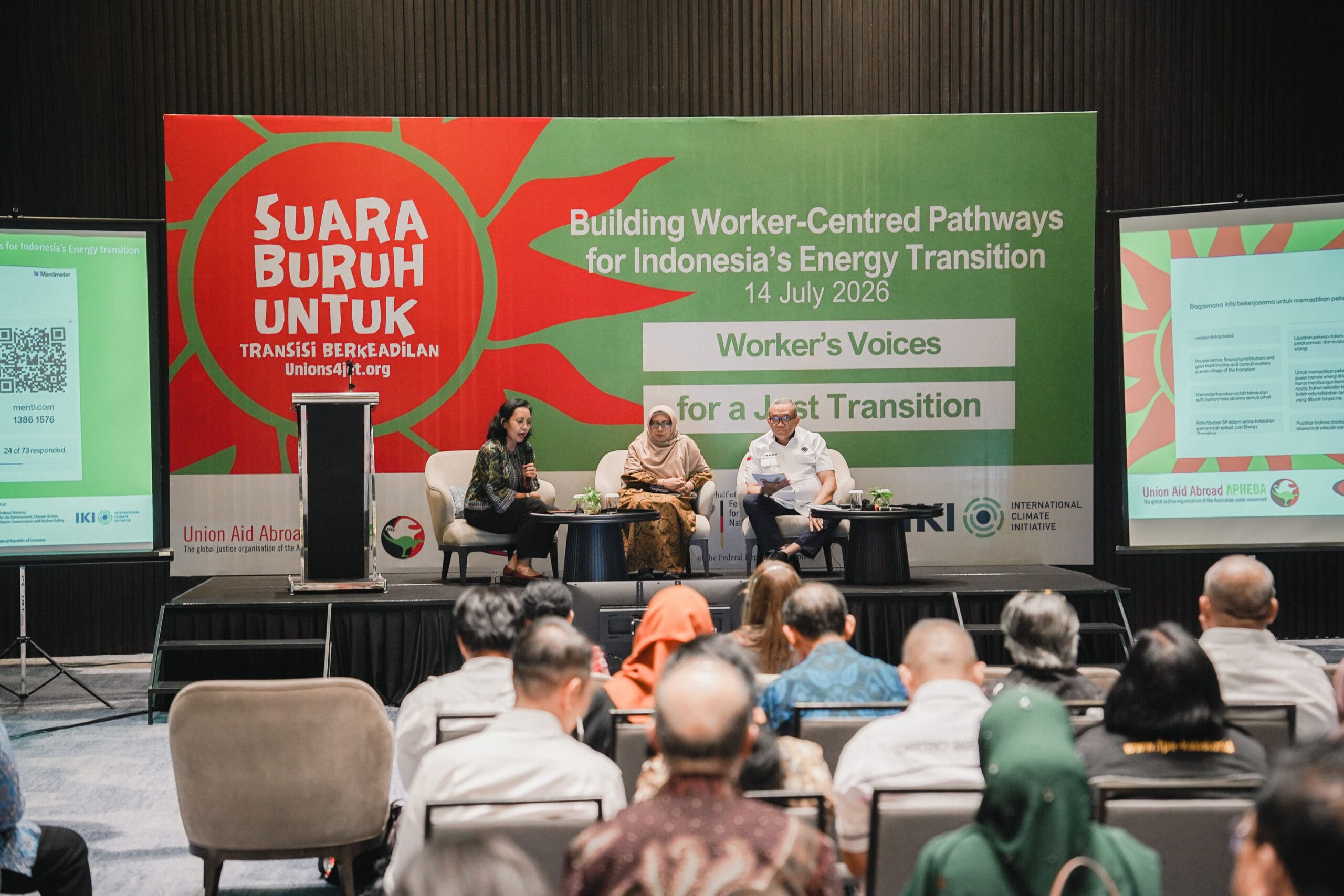
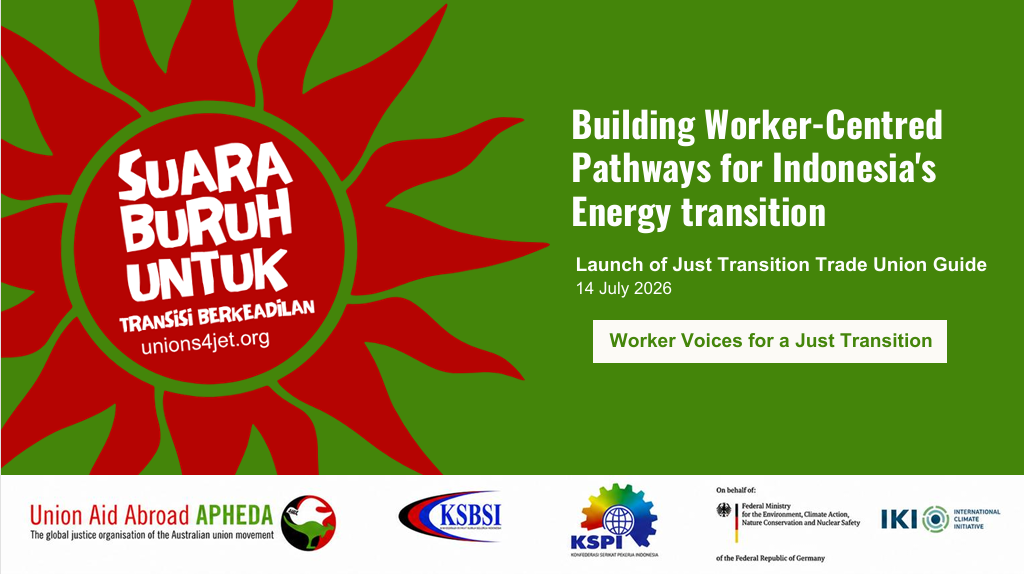
On 14 July 2026, in Jakarta, Indonesia, Union Aid Abroad – APHEDA launched a new digital toolkit to help trade unions plan and negotiate a just energy transition.
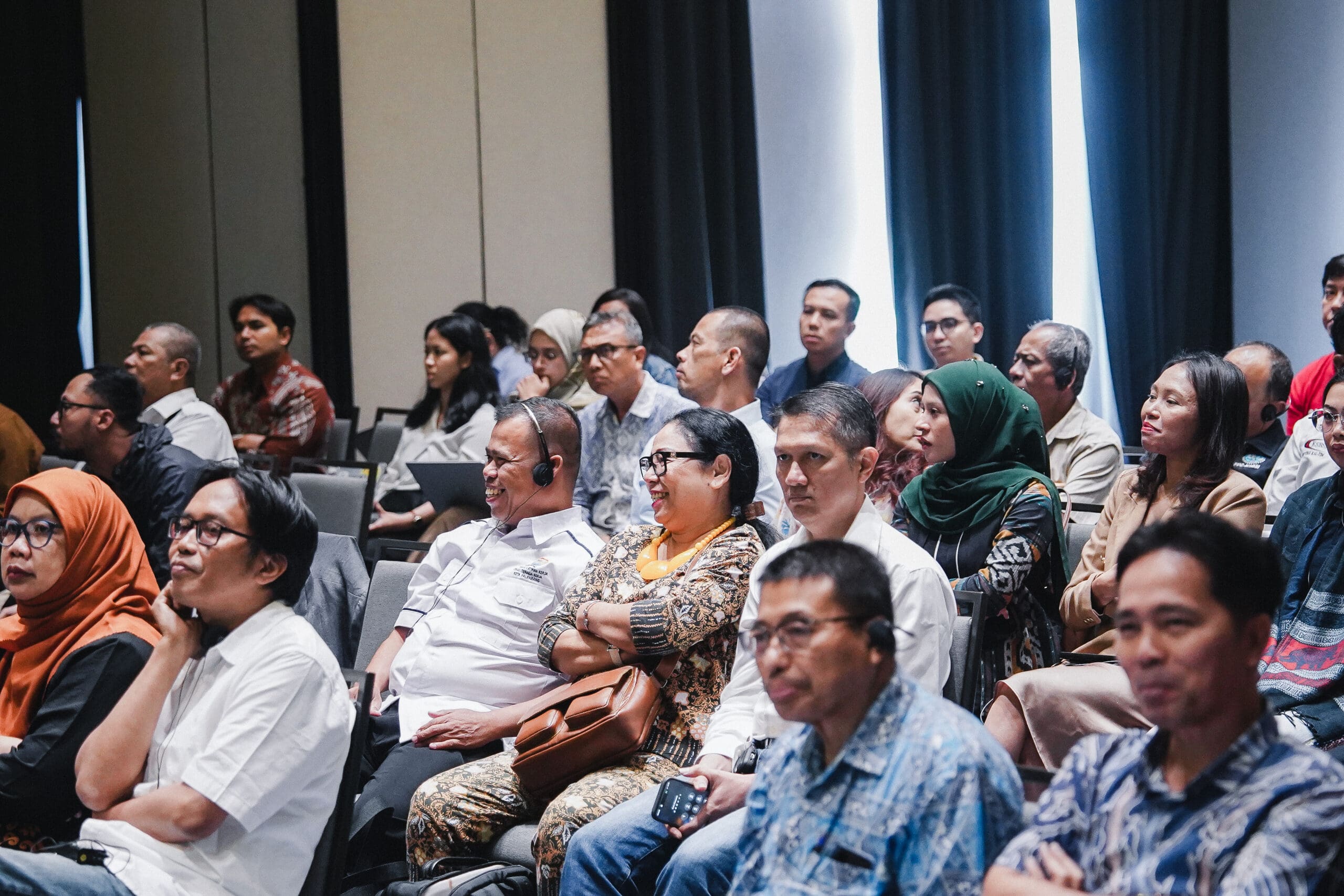
APHEDA presented the toolkit, which serves as a practical guide, at a launch event attended by worker organisations, civil society, and non-governmental organisation (NGOs). The toolkit is the result of close collaboration with trade unions and workers in coal-rich South Sumatra and East Kalimantan throughout the Innovation Regions for a Just Energy Transition (IKI JET) project. At the event, speakers from Indonesia’s national government and international organisations also shared insights into how just transitions unfold.
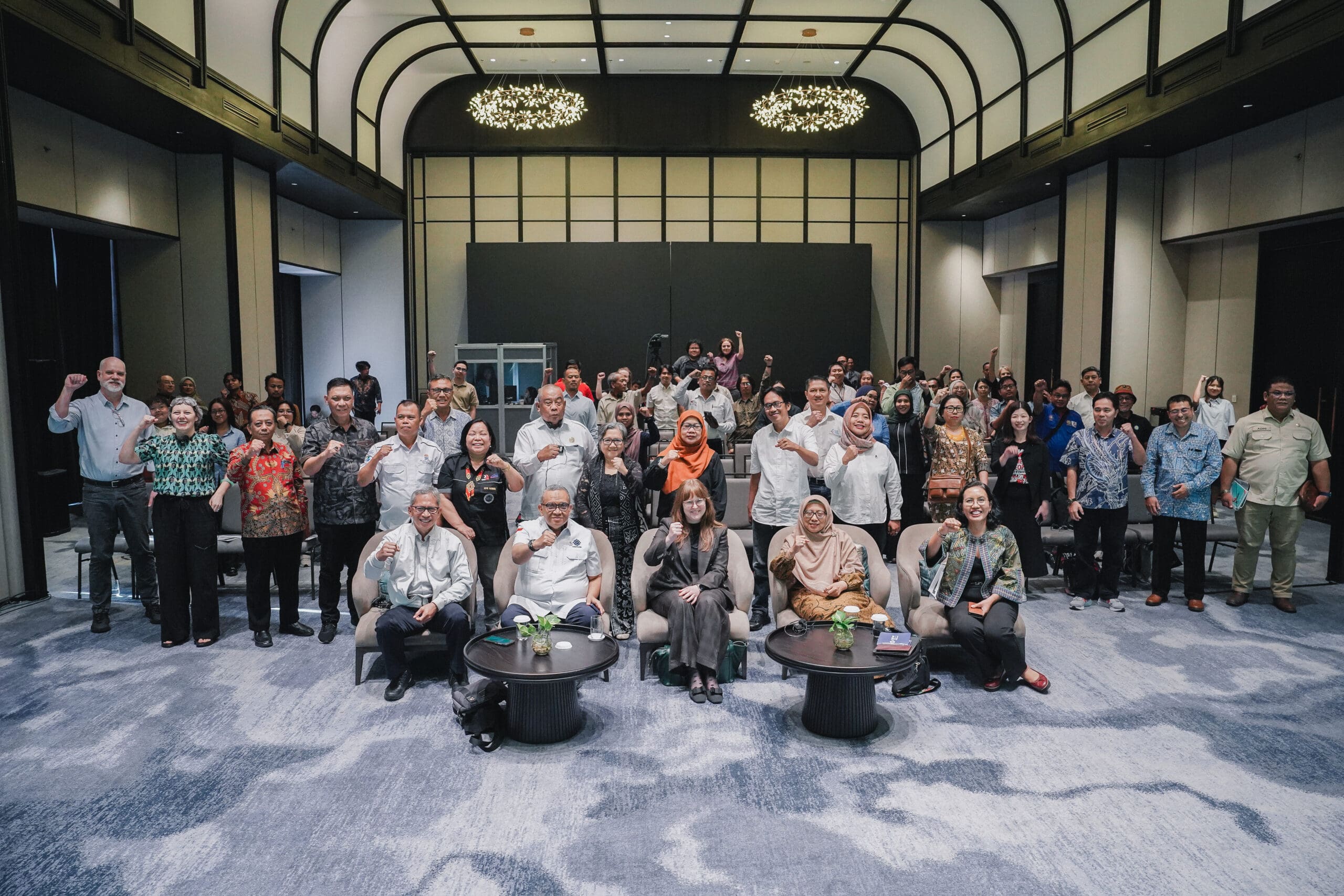
Key takeaways and insights
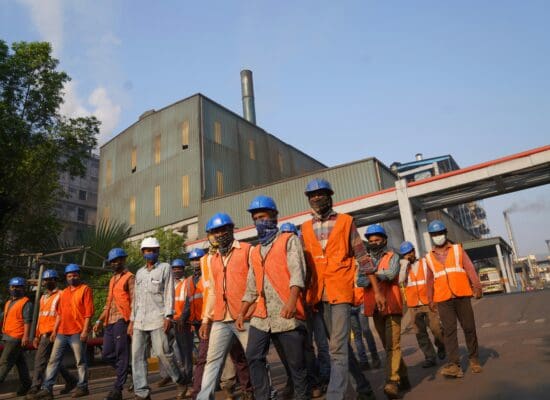
Trade unions praised the IKI JET project for its initiatives involving coal workers in Indonesia and for addressing climate issues. With regional coal mining production limits causing production pauses and layoffs in mines, the tangible impacts of energy transition are already being felt on the ground. This reality highlights the importance of putting just transition at the centre of discussions about extending mining licences or contracts, including just transition frameworks.
Although paths towards a just transition are being built and opportunities are emerging for workers to learn more about it, these workers still face practical obstacles, such as getting permission to attend workshops from their company, according to Arham, a trade union representative and attendee from East Kutai.“Everything starts with involvement. There we might have a better bargaining position,” he said. “Otherwise, how can workers know that a transition is happening?”
Arham added that many local young people still wanted to become mining engineers, with many being unaware of the declining demand for coal. “We need to collaborate to raise awareness. [As the coal industry declines,] their investment in mining education might go to waste,” he said.
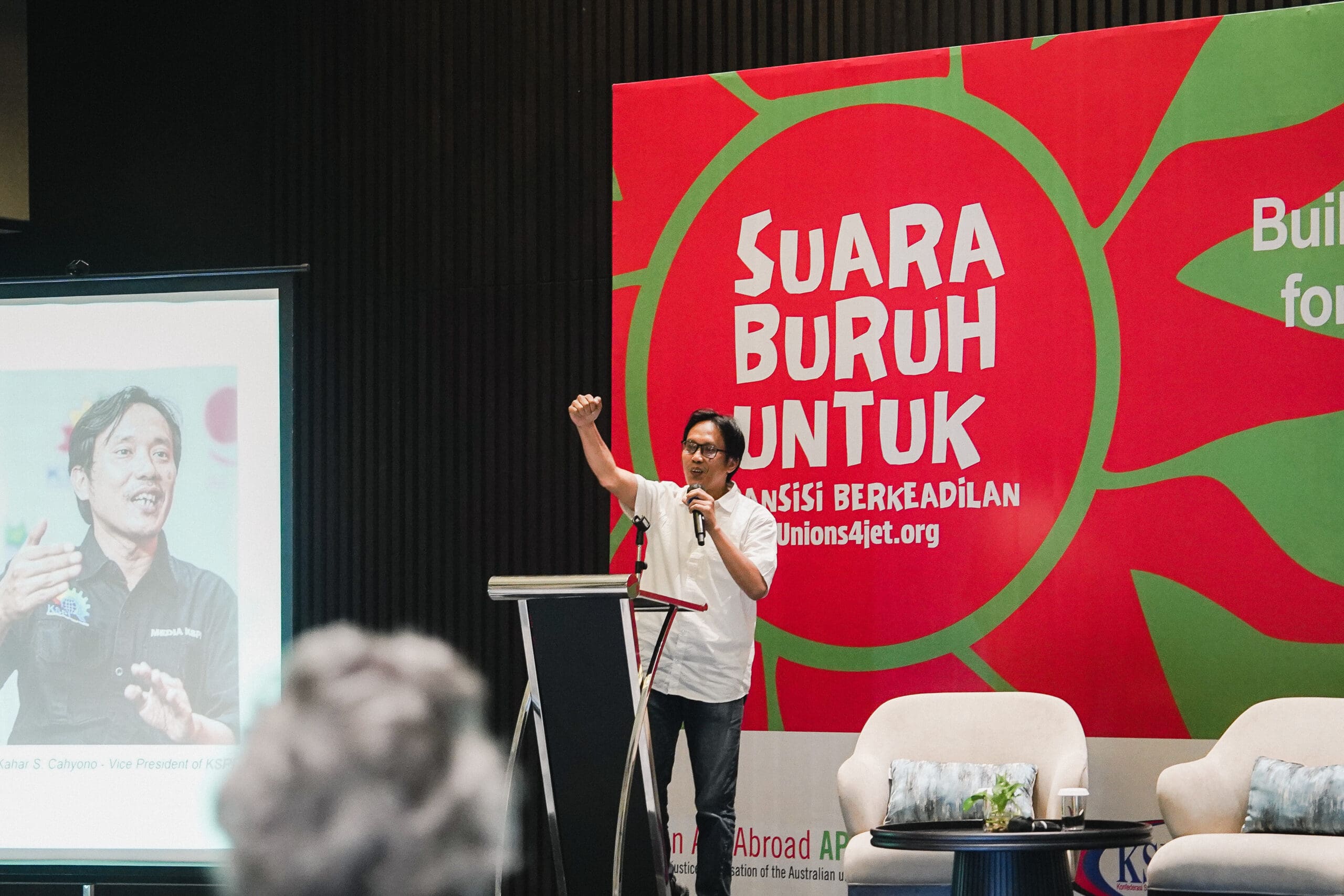
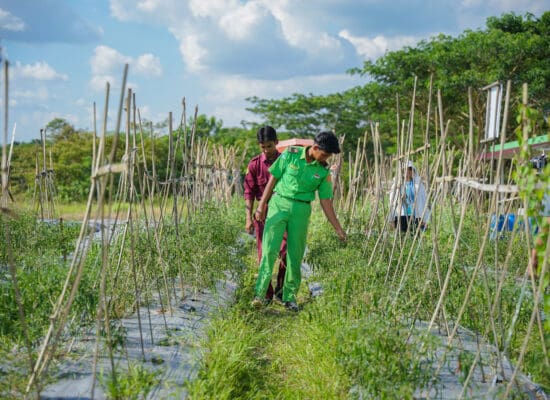
The event also highlighted the topic of informal labour in the coal economy. Energy transition planning is mostly built around formal employees, meaning that informal workers are not included in studies or compensation programmes. Nurfaidah is a self-employed farmer and vegetable-seller in East Kutai. As part of the informal labour sector, she will face a reduction in her income when the mines close, because most of her customers are coal workers. Nurfaidah explained that local farmers, having endured the effects of pollution while mines were operating, faced further loss when the mines closed and workers left town. Without health insurance or the social security that comes with employment, informal workers like Nurfaidah are also unprotected from the risks posed by accidents and crop failure.
Nurfaidah proposed that corporate social responsibility (CSR) programmes, which provide capacity building and infrastructure development for local communities, could do more by giving compensation directly to the people who are affected by the industry.
In addition, Indonesia’s Deputy Minister of Manpower Afriansyah Noor argued that before a proposal to retire a coal plant retirements is approved, a labour impact assessment is needed. “Labour matters must be included in the transition planning document from the start, rather than added later,” Noor said at the panel discussion.
He also reaffirmed the Ministry’s commitment to facilitating the transition of workers from the coal mining sector to emerging economic sectors. To address data gaps and improve coordination, cross-cutting collaboration is needed to establish an integrated energy transition data centre, he said. This would help identify the number and profile of workers likely to be affected by the energy transition, thereby enabling the development of targeted workforce transition.
Giulia Laganà, director of the Just Transition and Climate department at the International Trade Union Confederation (ITUC), emphasised the importance of creating decent jobs in alternative sectors. She added that as well as needing reskilling programmes to prepare redundant workers, alternatives to fossil fuel industries must be actively developed – in energy and beyond, such as in sustainable agriculture and eco-tourism. “Retraining should not be a last resort, but part of a broader strategy to create quality alternative livelihoods,” said Giulia, who joined the event on Zoom.
In line with these panel discussions, APHEDA’s just transition toolkit (unions4jet.org) aims to address the complexities in coal regions and outlines essential elements for a just transition. It explores the crucial role of unions in mobilising support for informal workers, like Nurfaida, in the coal economy. The web-based toolkit houses a study on informal labour in East Kalimantan’s coal towns, dedicates a section to collective bargaining for a just transition, shares best practices for including informal workers in unions, and features perspectives from miners and informal workers in a short documentary.
APHEDA documents how Indonesian trade unions are supporting workers and communities to participate in a just energy transition.
The toolkit also sets out some key steps to guide unions in just transition planning. These steps include conducting needs assessments, raising awareness among members, and negotiating collective bargaining with employers. They outline, for example, how unions can use social dialogue or collective bargaining to advocate for decent work, promote social protection, and negotiate opportunities in reskilling support. The guide collects knowledge from existing resources, campaigns, and organising efforts that unions are already leading.
“The guide is meant to be a practical resource, something that travels with organisers into meetings, negotiations, community forums, and policy dialogues,” said Louise Goldman of APHEDA, who coordinates the just transition programme and developed the guide. “We wanted to build on that rather than replace it or start from scratch. This has been a learning process for all of us. Just transition, globally, is something we’re all learning as we go.”
Explore the toolkit: unions4jet.org
Find all presentations:
Watch all sessions:
Related Posts
Stay Informed and Engaged
Subscribe to the Just Energy Transition in Coal Regions Knowledge Hub Newsletter
Receive updates on just energy transition news, insights, knowledge, and events directly in your inbox.