
Expert Exchange
Navigating Indonesia's Post-Coal Mining and Energy Transition
Country:
Indonesia,
Organisation:
Dala Institute,
SMERU Research Institute,
Wuppertal Institute,
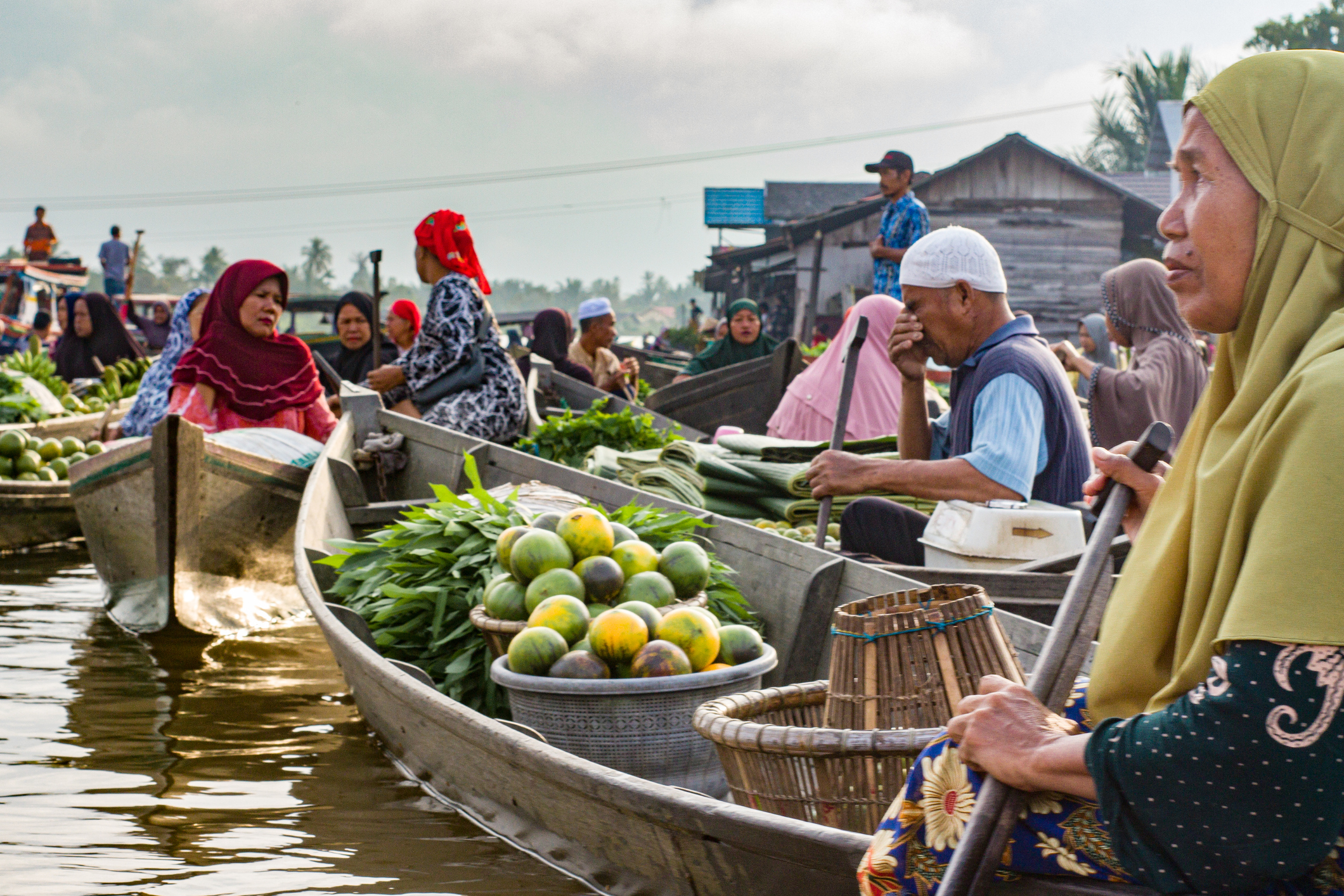
As Indonesia’s energy transition continues, coal-producing hubs like East Kalimantan are having to restructure their economies. Without a focus on justice, this shift could deepen existing inequalities.
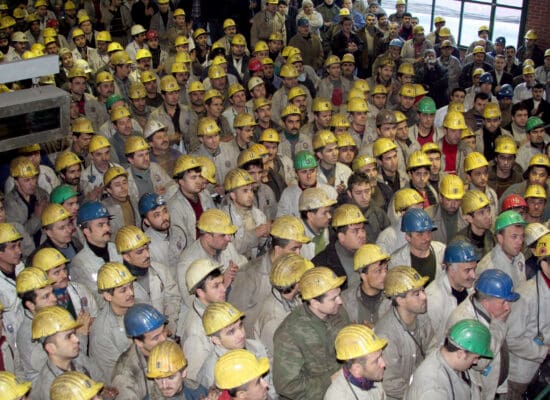
On 18 June 2026, experts convened from Indonesia, the Wuppertal Institute, the Dala Institute, the SMERU Institute, the University of Indonesia, and the Indonesian Ministry of Women’s Empowerment and Child Protection to discuss the intersecting inequalities and challenges that communities are facing during Indonesia’s post-coal mining and energy transitions. The event shed light on the institutional fragmentation that characterises practical realities in East Kalimantan, with panellists exploring transformative solutions for an inclusive and just transition.
Research insights
During the event, findings from two recently published studies examining East Kalimantan’s coal transition through the lens of intersectional inequality were presented. Supported by the Wuppertal Institute as part of the Innovation Regions for a Just Energy Transition (IKI JET) project, the research explored the barriers to land ownership, livelihoods, and decision-making that are faced by marginalised groups, including women and low-income households.
The session began with Nitia Agustini Kala Ayu (Dala Institute) and Hening Wikan Sawiji (SMERU Institute), who shared key takeaways from their respective studies on gender-based challenges and opportunities in selected coal regions of East Kalimantan. Kala Ayu emphasised that it is important for energy transitions to move beyond mere technical shifts and address deep-seated socio-economic inequalities.
A central insight from the research in East Kalimantan is that currently, post-mining transitions often redistribute risks to households rather than fostering genuine recovery. For example, communities attempting to farm reclaimed mining land are burdened with high labour costs, degraded soil, and tenure insecurity, with women being structurally disadvantaged in these settings. The study drew on the case of a former open-pit mining site that was later rehabilitated into rice farms, but without giving more than just a fraction of the population access to the productive land.
Kala Ayu also underscored the systemic exclusion of informal and vulnerable groups (such as young people, sex workers, and service staff), who are often invisible in formal transition frameworks and receive no severance or retraining. Finally, she highlighted how women’s workloads remain high, and often invisible—unrecognised as “work” in policy frameworks and public discourse.
Hening Wikan Sawiji outlined the barriers that are preventing women from participating in formal employment. She pointed out that local workers often end up in low-skilled, labour-intensive jobs under informal arrangements, which limits their entitlement to worker protection and social security. When women contribute to production activities, such as by harvesting palm oil with their husbands, wages are provided only to the male workers. Entrepreneurship and agricultural downstreaming (the work done to turn harvested farm produce into consumable products) offer important entry points for women by leveraging their existing assets and knowledge. Examples like cacao downstreaming, in which women already are seen to participate, offer the prospect of stable and regulated working conditions.
Wikan Sawiji also explained that although Indonesia has established strong policies on gender mainstreaming, there is still a significant gap between macro-regulations and implementation. Research insights have revealed that women’s participation in transition planning is often limited to meeting “attendance quotas” rather than providing substantive decision-making power. To bridge these gaps, she stressed the urgent need for intersectionally disaggregated data and a shift towards rights-based frameworks where communities are treated as active claimants rather than as mere project beneficiaries. Ultimately, she stated, there should be a call for institutional reform that prioritises the social and care infrastructure as a prerequisite for an inclusive green economy.
Dewa Ayu Laksmiadi Janapriati from the Ministry of Women’s Empowerment and Child Protection highlighted the existing gaps in sex-disaggregated data as well as the importance of integrating gender equality into Indonesia’s energy transition policies. She pointed out that impact metrics tend to focus on the macroeconomic level, such as productivity and hectares, which obscures intersectional vulnerabilities and fails to identify gender-responsive approaches.
Janapriati emphasised that although women are disproportionately affected by post-coal mining transitions due to invisible burdens such as unpaid care work, they also play a crucial role as agents of change in building inclusive and resilient communities. She stressed the need for meaningful participation, gender-responsive budgeting, and intersectional approaches to ensure a truly just energy transition—encompassing more inclusive employment arrangements and a gender-responsive economic transformative roadmap at the local governance level.
Mia Siscawati from the University of Indonesia underscored how gender and intersectional inequalities shape the experiences of rural communities in East Kalimantan, particularly in relation to extractive industries and environmental degradation. She emphasised that women, Indigenous Peoples, and other marginalised groups are disproportionately affected by land conflicts and socio-ecological crises, with their local knowledge and voices often being sidelined in decision-making processes.
Key takeaways
- Risks are being redistributed instead of recovery being supported. Post-mining transitions often shift environmental and economic risks onto households rather than supporting genuine recovery, leaving communities to bear the hidden costs of degraded land and lost livelihoods.
- There can be no just transition without representative inclusion. Informal workers, who include female sex workers, service staff, young people, and other marginalised groups, are frequently excluded from formal transition policies and therefore receive little to no compensation, retraining, or institutional support. Although gender-mainstreaming policies are in place, too often women are still only included to meet participation quotas rather than to have real influence over decision-making processes.
- Better data is needed for better policies. The lack of intersectional, gender-disaggregated data and gender-responsive impact assessments results in one-size-fits-all policies that fail to reflect the diverse realities of affected communities.
- Care infrastructure is part of a just transition. Acknowledging and supporting the care work done by women is a must. Access to clean water, healthcare, childcare, and other social services is essential for enabling women to participate meaningfully in transition processes and benefit from new opportunities.
- A rights-based approach is essential. Energy transition policies should be understood as obligations to address historical injustices and protect community rights, rather than relying on voluntary corporate initiatives or acts of goodwill.
Speakers
Sibel Raquel Ersoy (Wuppertal Institute)
Nitia Agustini Kala Ayu (Dala Institute)
Hening Wikan Sawiji (SMERU Research Institute)
Mia Siscawati (University of Indonesia)
Dewa Ayu Laksmiadi Janapriati (Ministry of Women’s Empowerment and Child Protection)
See the presentations here:
See the full recording here:
Related Posts
Stay Informed and Engaged
Subscribe to the Just Energy Transition in Coal Regions Knowledge Hub Newsletter
Receive updates on just energy transition news, insights, knowledge, and events directly in your inbox.