
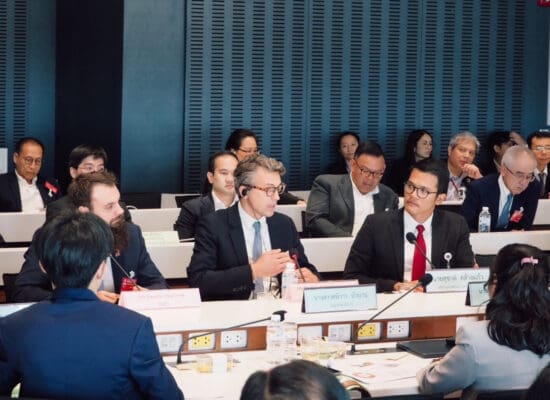
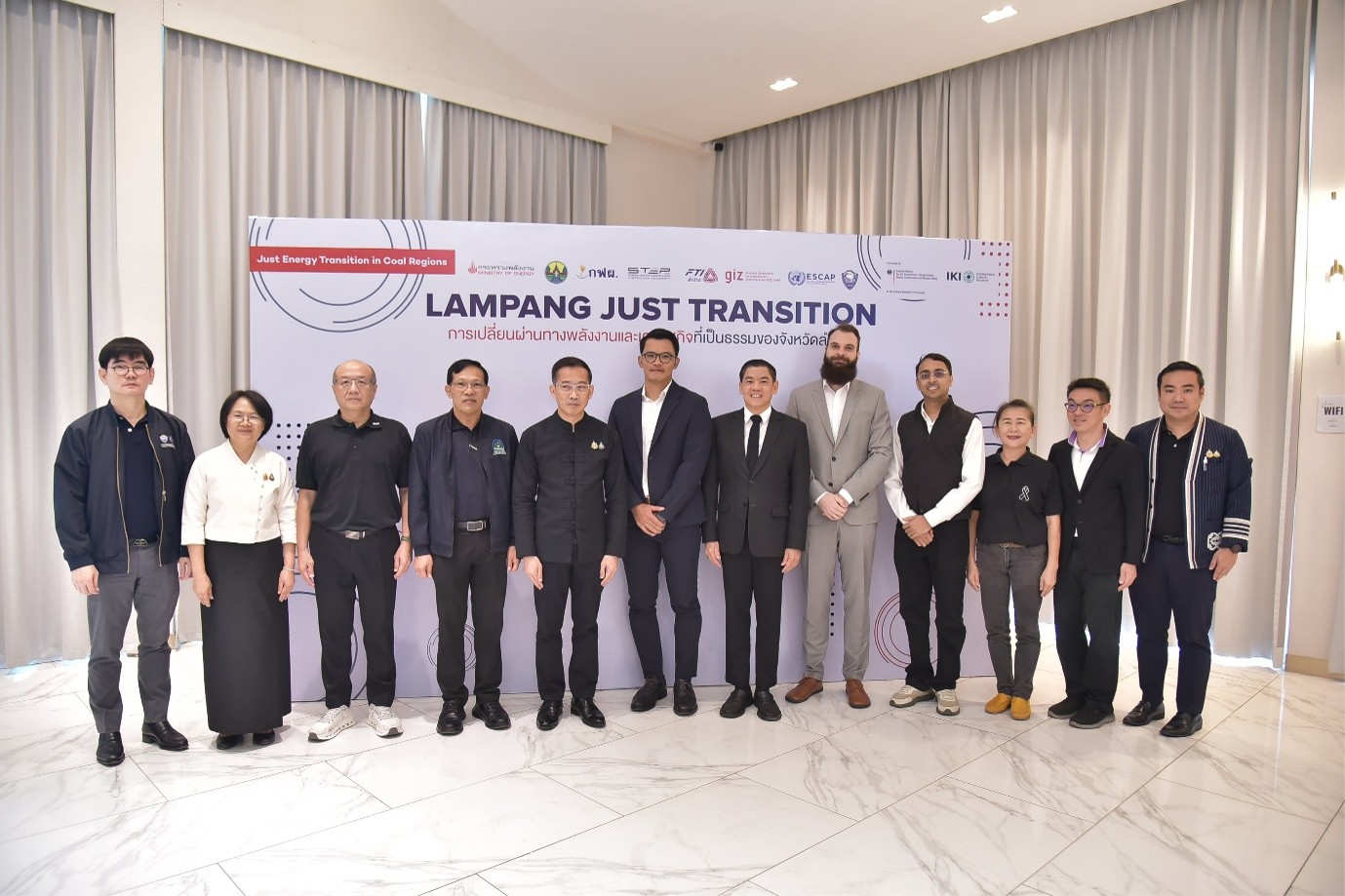
On 2 April 2026, the Thai province of Lampang held an event to disseminate the results of two key studies: the Lampang Just Energy Transition and Economic Transformation Roadmap and Mine Closure, Environmental Impacts, and Land Reclamation in Colombia, Mongolia, and Thailand (Case Study: Mae Moh Mine, Lampang). Jointly organised by the Deutsche Gesellschaft für Internationale Zusammenarbeit’s (GIZ’s) Innovation Regions for a Just Energy Transition (IKI JET) project, the event brought together representatives from the public sector, private sector, academic institutions, and international organisations to define the province’s long-term direction for development.
Lampang Province is advancing towards becoming a national model for just energy transition thanks to the integrated collaboration among government agencies, international organisations, and local stakeholders in the province with the aim of jointly shaping the strategic direction for coal mine rehabilitation and driving a clean energy ecosystem.
This collaboration lays the foundation for a systematic transition away from the coal industry, with a focus on inclusivity in all dimensions, including creating tangible new economic opportunities and sustainably restoring the local environmental, to ensure that no sector is left behind in the transition to a low-carbon society.
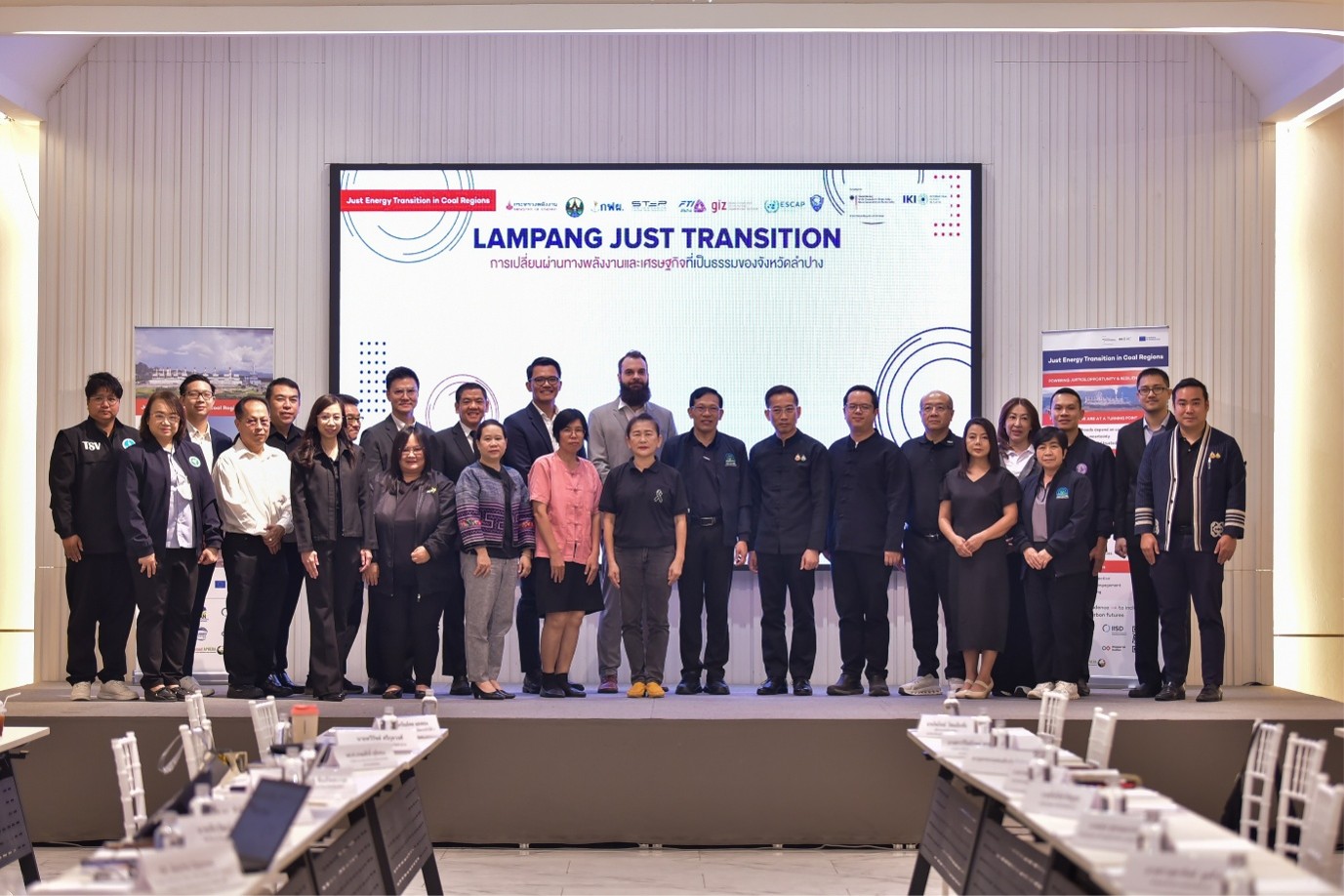
In his opening remarks, Krisana Phinij, Vice Governor of Lampang Province, emphasised the importance of integrated collaboration in shaping Lampang’s future, especially given that the province is undergoing structural changes due to the reduction in coal use and broader regional economic transformation.
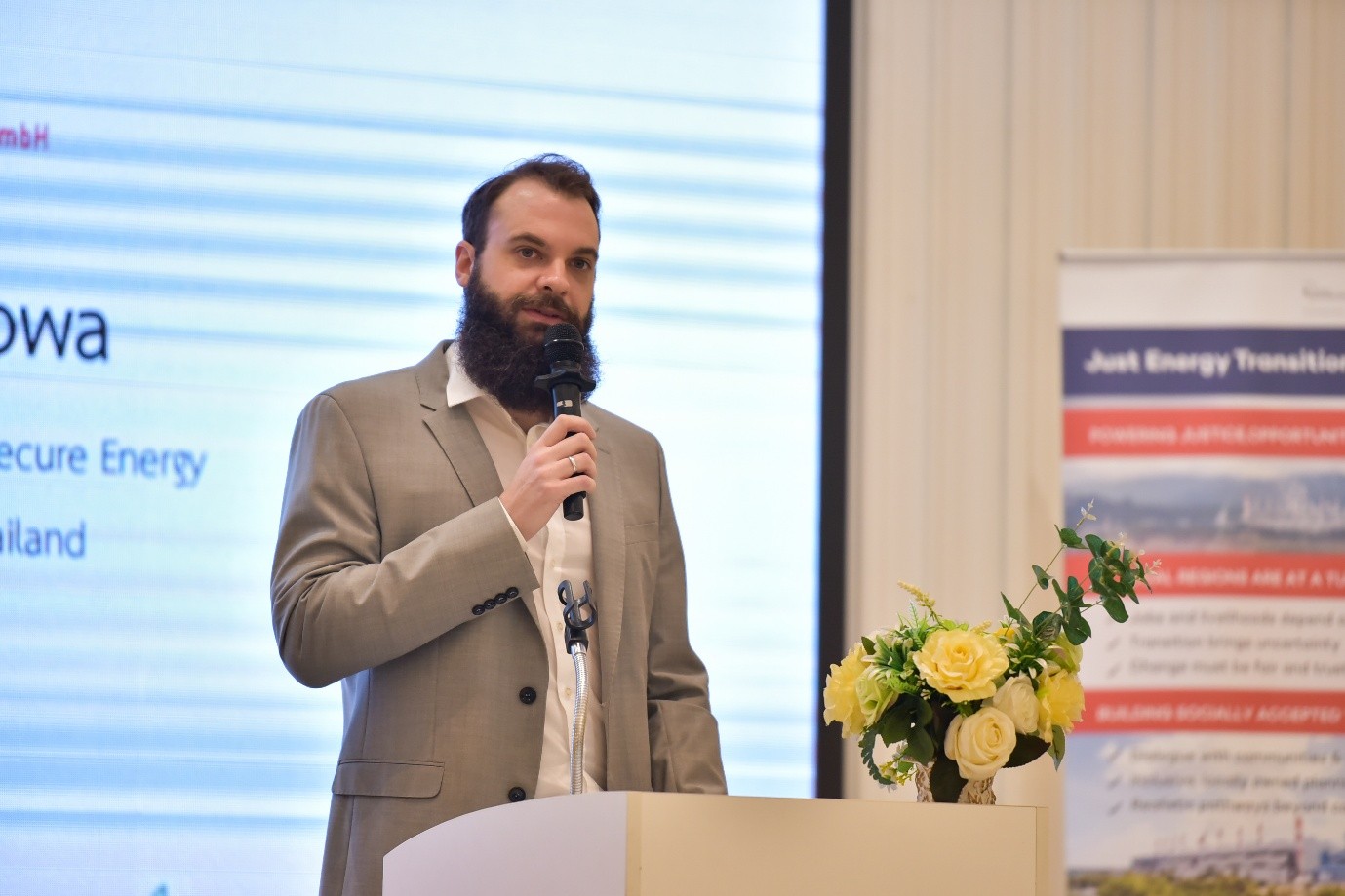
Sascha Oppowa, Project Director of Clean, Affordable and Secure Energy for Southeast Asia (CASE), GIZ Thailand
Sascha Oppowa, Project Director of Clean, Affordable and Secure Energy for Southeast Asia (CASE) at GIZ Thailand, emphasised the core principles of a just energy transition, stating that the process must be “people-centred” and include efforts to create new economic opportunities. He also shared lessons learned from Germany’s experience, highlighting that proactive long-term planning and establishing collaborative mechanisms among diverse stakeholder groups are decisive factors for achieving sustainable success in a just transition.
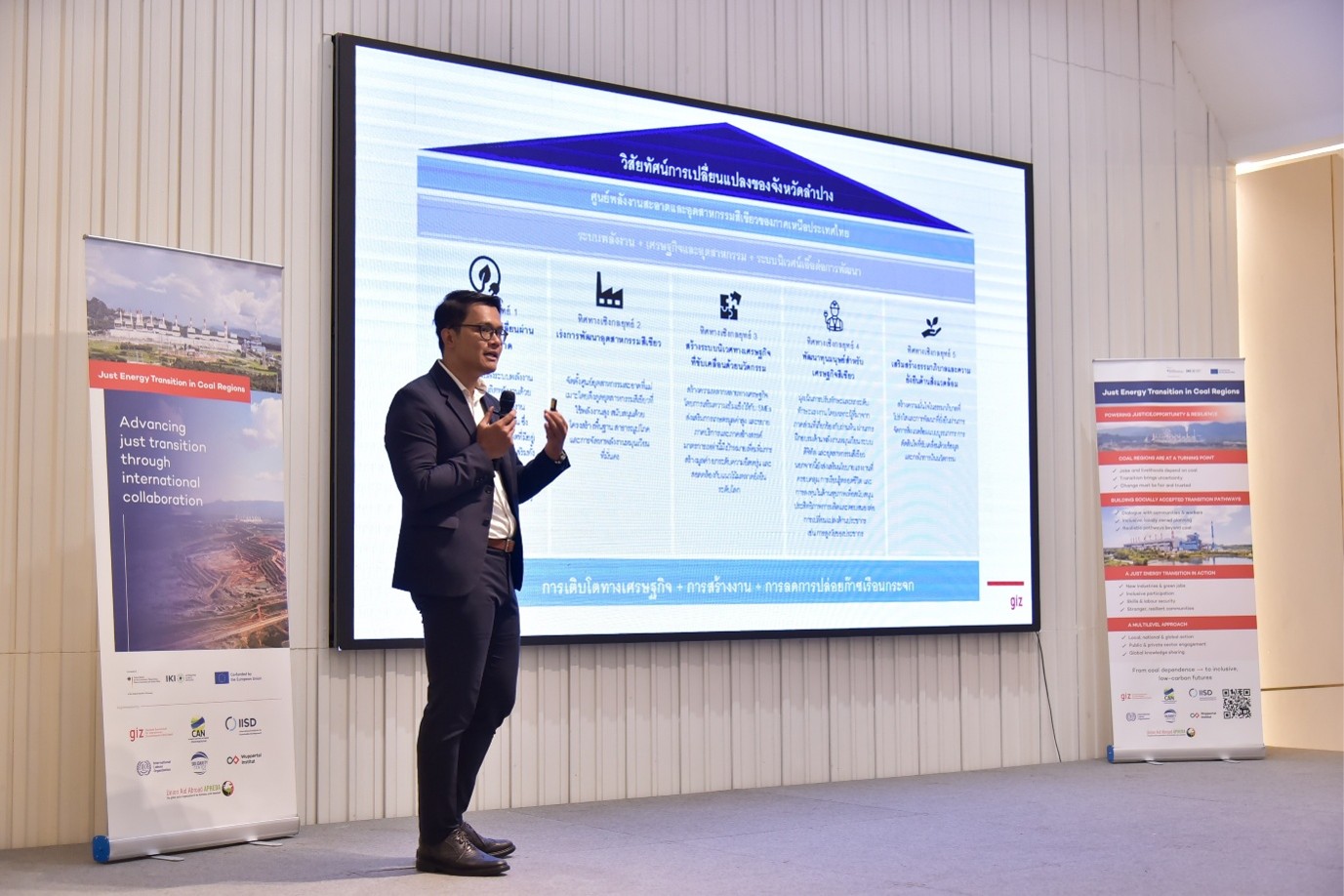
Suchart Klaikaew, Project Lead for IKI JET Thailand
In presenting the research results from both studies, Suchart Klaikaew, Head of the IKI JET Project at GIZ Thailand, highlighted some significant structural challenges in Lampang Province—in particular, the absence of a clear action plan for coal phase-out, limitations in comprehensive labour transition planning at the local level, the lack of unified governance mechanisms, and inconsistencies in integrating ecosystem rehabilitation with strategies for economic diversification.
Klaikaew added that aligning spatial development with the principles of a just energy transition is key to creating new opportunities for the future. He stated: “Through transitioning to a clean energy base, fostering future industries, and establishing concrete social protection systems for workers and local communities, Lampang Province has the potential to become Thailand’s first empirical model for a comprehensive and sustainable just energy transition.”
To inform the content of the Lampang Just Energy Transition and Economic Transformation Roadmap, the IKI JET project held several consultations with stakeholders between 2023 and 2025. These ranged from stakeholder analysis and provincial public forums to field visits in five subdistricts and more than 25 policy dialogue sessions, reaching more than 1,000 stakeholders. All data were synthesised from 808 open-ended survey responses.
These results were then used to develop five pillars of the transition that reflect local needs:
- Mobilise the transition to clean energy
- Accelerate investment in high-value and circular industries
- Build an innovation-driven and entrepreneurial ecosystem
- Develop human capital for the green economy
- Enable governance and environmental sustainability
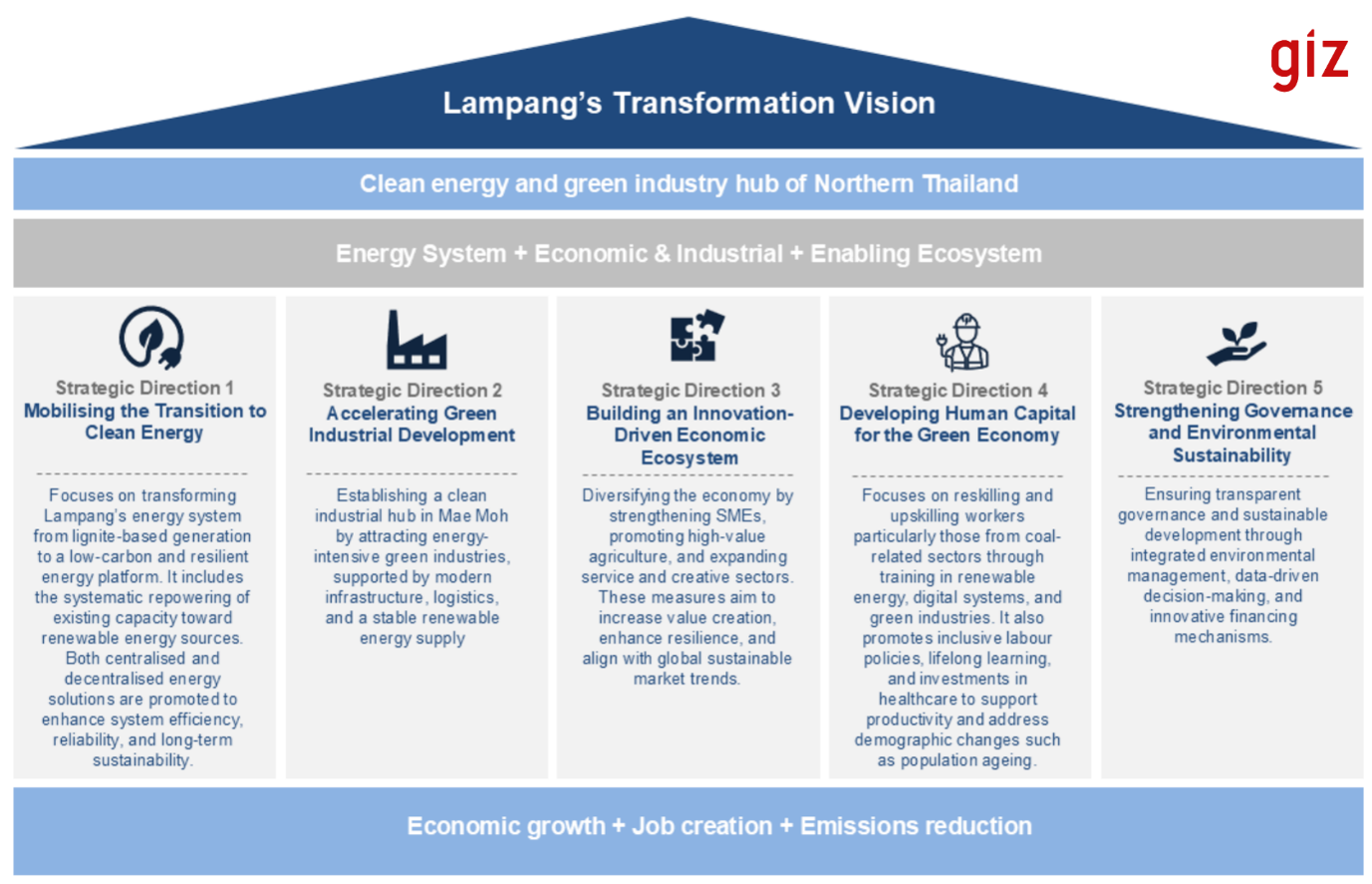
Figure 1. The five pillars of Lampang’s JET vision. Credit: GIZ Thailand
At the same time, the study on mine closure and land rehabilitation used a gap analysis to compare policy and regulation in Thailand with international best practices. Through identifying gaps in these areas, the aim was to support the development of a transparent and highly effective mine closure planning system, especially in the context of large-scale projects such as the Mae Moh mine.
The study also proposed approaches for analysing financial mechanisms to attract investment in Lampang Province’s transition. This included designing innovative financial instruments and policy tools to strengthen investor confidence in target business sectors. A key recommendation is for a special purpose entity to be established as a strategic intermediary that links local stakeholders with new business and investment opportunities while driving long-term economic development.
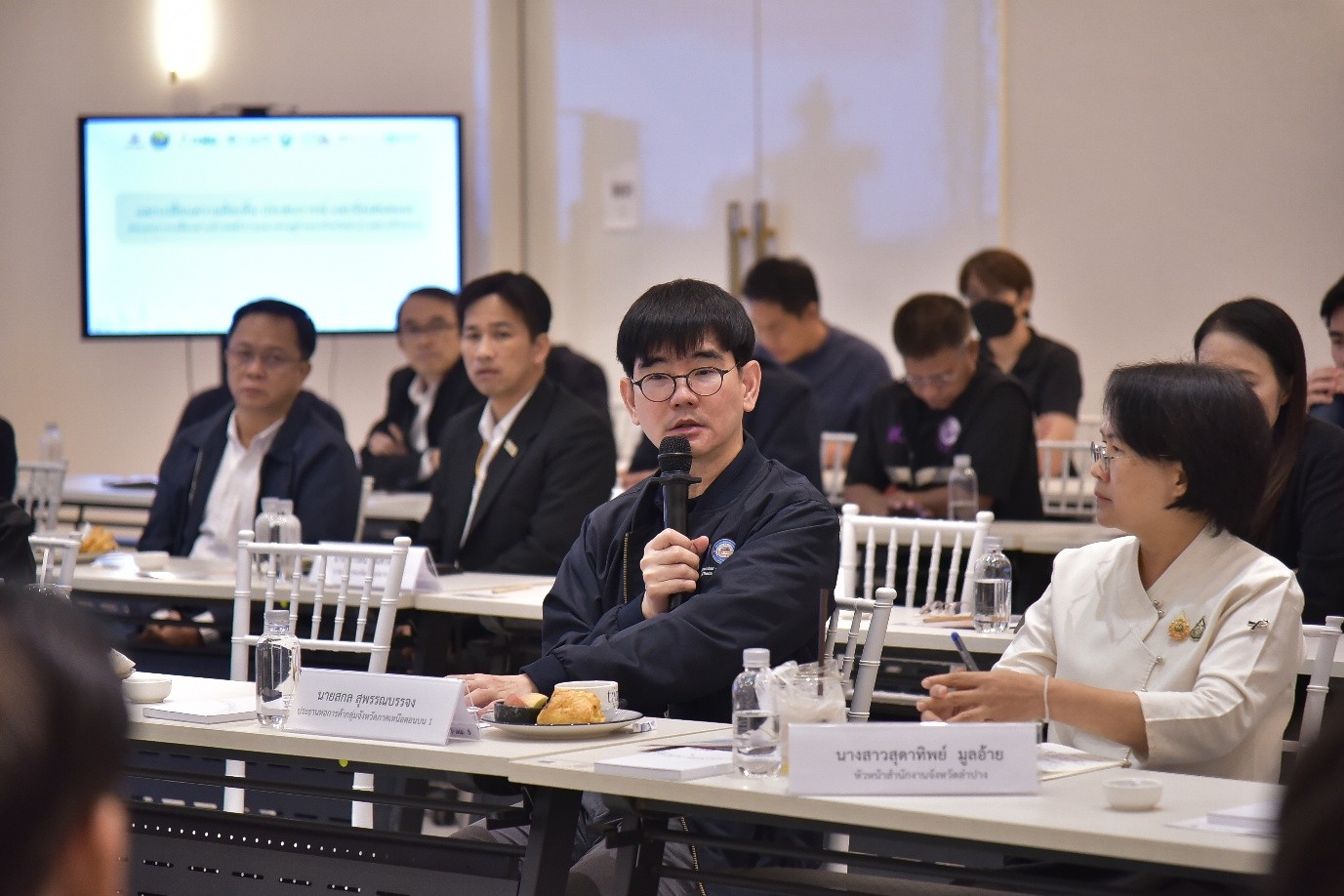
Sakon Suphanbanjong, Chair of the Chamber of Commerce of Upper Northern Provincial Cluster 1
This initiative reflects strong collaboration among key partners, including the Electricity Generating Authority of Thailand (EGAT), the Science and Technology Park Chiang Mai University, the Lampang Chamber of Commerce, the Provincial Industrial Council (Lampang), and the United Nations Economic and Social Commission for Asia and the Pacific (ESCAP). All the partners reaffirmed their commitment to supporting Lampang Province’s transition to an inclusive low-carbon economy that provides coordinated efforts and tangible benefits for all sectors of society. The event was attended by more than 80 participants, including representatives from central agencies such as the Pollution Control Department, the Digital Economy Promotion Agency, and the Department of Rail Transport.
Looking ahead, the just energy transition roadmap is intended to move beyond being solely a study or a discussion input and serve as a foundation for the formal integration and implementation of policies. The roadmap is expected to be progressively integrated into provincial, regional, and national planning processes, including the revision of Thailand’s Long-Term Low Greenhouse Gas Emission Development Strategy (LT-LEDS) ahead of COP31 and the implementation planning for NDC 3.0.
More importantly, Thailand’s 14th National Economic and Social Development Plan (2028–2032), currently being drafted by the Office of the National Economic and Social Development Council (NESDC), presents an important opportunity to embed the principles of just transition into the country’s long-term economic and social development framework. The draft framework focuses on four core pillars—productivity, inclusivity, adaptability, and resiliency—to strengthen sustainable economic growth and enhance Thailand’s ability to navigate global uncertainties.
In this context, the Lampang roadmap can help provide practical territorial and sectoral transition pathways that align local economic transformation with national climate and development priorities. The next phase will focus on strengthening inter-agency coordination, building broader political ownership, mobilising investment mechanisms, and translating the roadmap’s recommendations into concrete implementation plans and institutional arrangements at multiple governance levels.
Related Posts

What Do Just Energy Transition Processes Look Like in Practice? Five case studies from Asia and South America
Case Studies
- Chile
- Colombia
- Indonesia
- Mongolia
- Thailand
August 16, 2024
Stay Informed and Engaged
Subscribe to the Just Energy Transition in Coal Regions Knowledge Hub Newsletter
Receive updates on just energy transition news, insights, knowledge, and events directly in your inbox.