
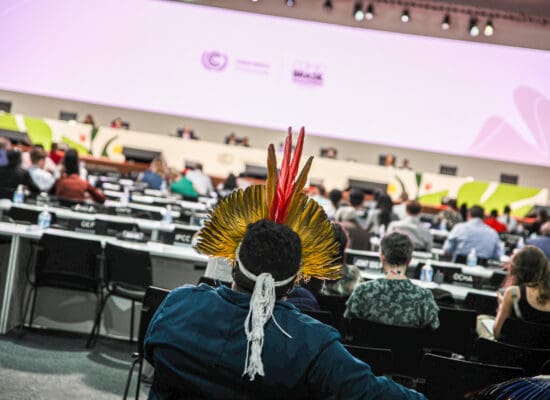
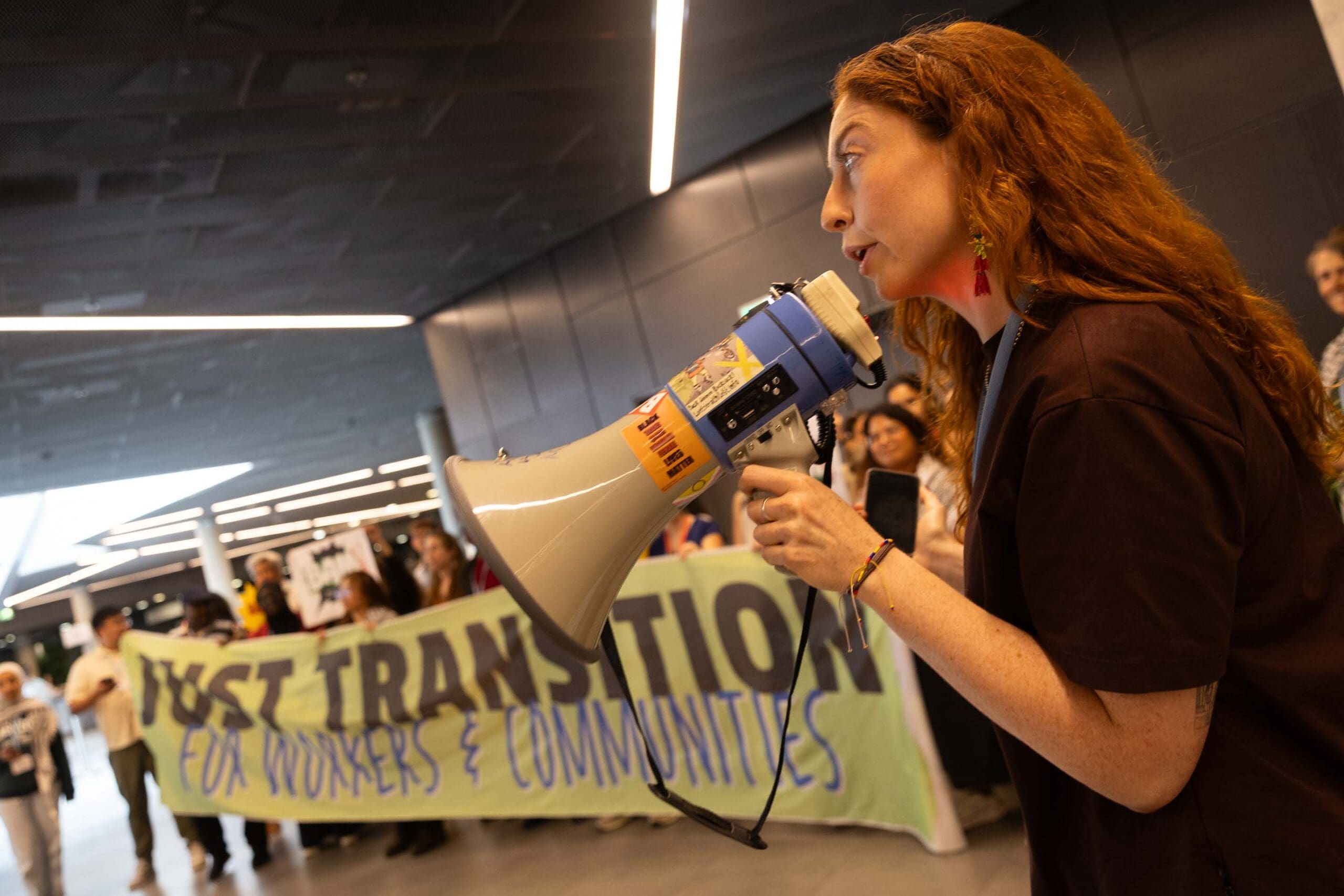
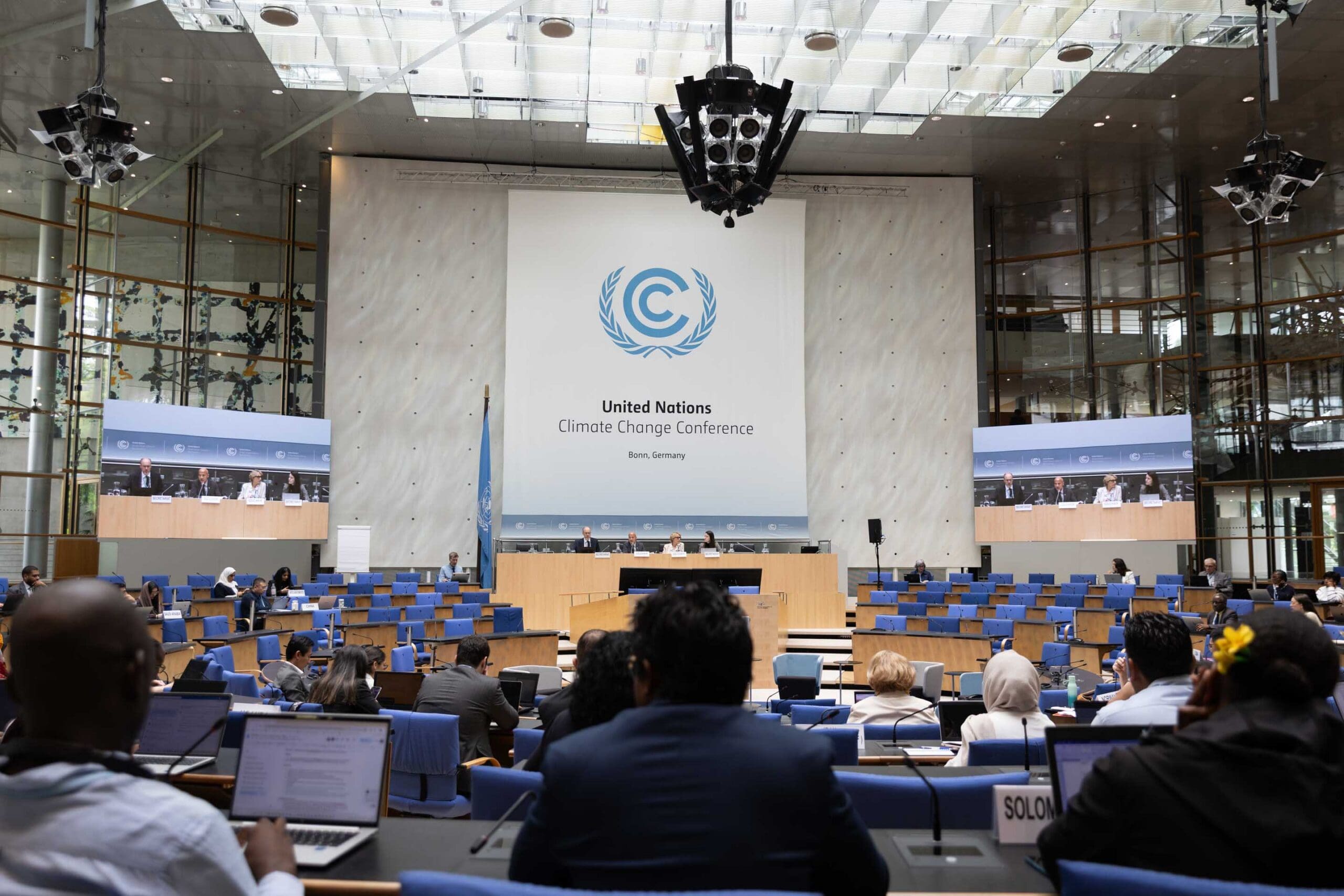
Ten days into the Bonn Climate Conference in June 2026, with barely an hour left before the closing plenary of the 64th session of the Subsidiary Bodies (SB 64), the co-chairs of the Just Transition Work Programme (JTWP) contact group closed this agenda item to applause. That applause said as much about relief as it did about achievement. For most of the preceding two weeks, the negotiation room had been consumed not by the substantive question everyone had come to Bonn to discuss—how to operationalise the just transition mechanism agreed in Belém, Brazil—but by a narrower, more technical dispute over the terms of reference for reviewing the work programme itself.
Terms of Reference for the Review: Hard fought, but ultimately decided
The mandate looked simple enough on paper: following last year’s decision in Belém, countries had been tasked with drafting the terms of reference for reviewing the JTWP’s effectiveness and efficiency at SB 65 before making a decision on the programme’s continuation at COP 31 in Antalya, Türkiye. In practice, agreeing on the scope of the review proved to be the single most contested issue of the session.
The sticking point was whether the review should examine the JTWP’s relationship with other instruments and processes under the United Nations Framework Convention on Climate Change (UNFCCC), the Paris Agreement, and the wider UN system—more specifically, whether it should draw on the secretariat’s mapping and synthesis report to identify “areas of complementarity and coherence.” The Like-Minded Developing Countries, the Arab Group, and the Russian Federation resisted this framing throughout, arguing that it fell outside the narrow mandate for the review and risked pre-judging the still-unresolved question of how the JTWP and the agreed mechanism relate to one another. By contrast, the European Union and the United Kingdom wanted the review to look outwards, including at the JTWP’s coherence with bodies beyond the UNFCCC, such as the multilateral development banks.
Talks on this single paragraph of the terms of reference ran through informal discussions for the better part of a week, with successive drafts shifting the contested language between the “scope” and “sources of input” sections. On the penultimate day, with the package otherwise agreed, Saudi Arabia reopened the paragraph one more time, asking that the text be amended from requiring the review to include “areas of complementarity and coherence” to noting that it “may include possible areas.” The United Kingdom objected to reopening a settled text, but after a further round of exchanges the co-chairs proposed a middle path—inputs would include “areas of complementarity and coherence, if any”—and the parties accepted it, saving the terms of reference from collapse.
The adopted conclusions direct the review to take place at SB 65 in November 2026, invite submissions from parties and non-party stakeholders by 1 September 2026, and ask the secretariat to compile a synthesis report, including proposals for improving the JTWP’s modalities. Notably, the terms of reference also ask the review to consider how it could “inform or be informed by” the process of operationalising the just transition mechanism—language that keeps the door open to closer alignment between the two tracks without committing either of them to a particular outcome.
Sketching the Mechanism’s Structure: A first step taken
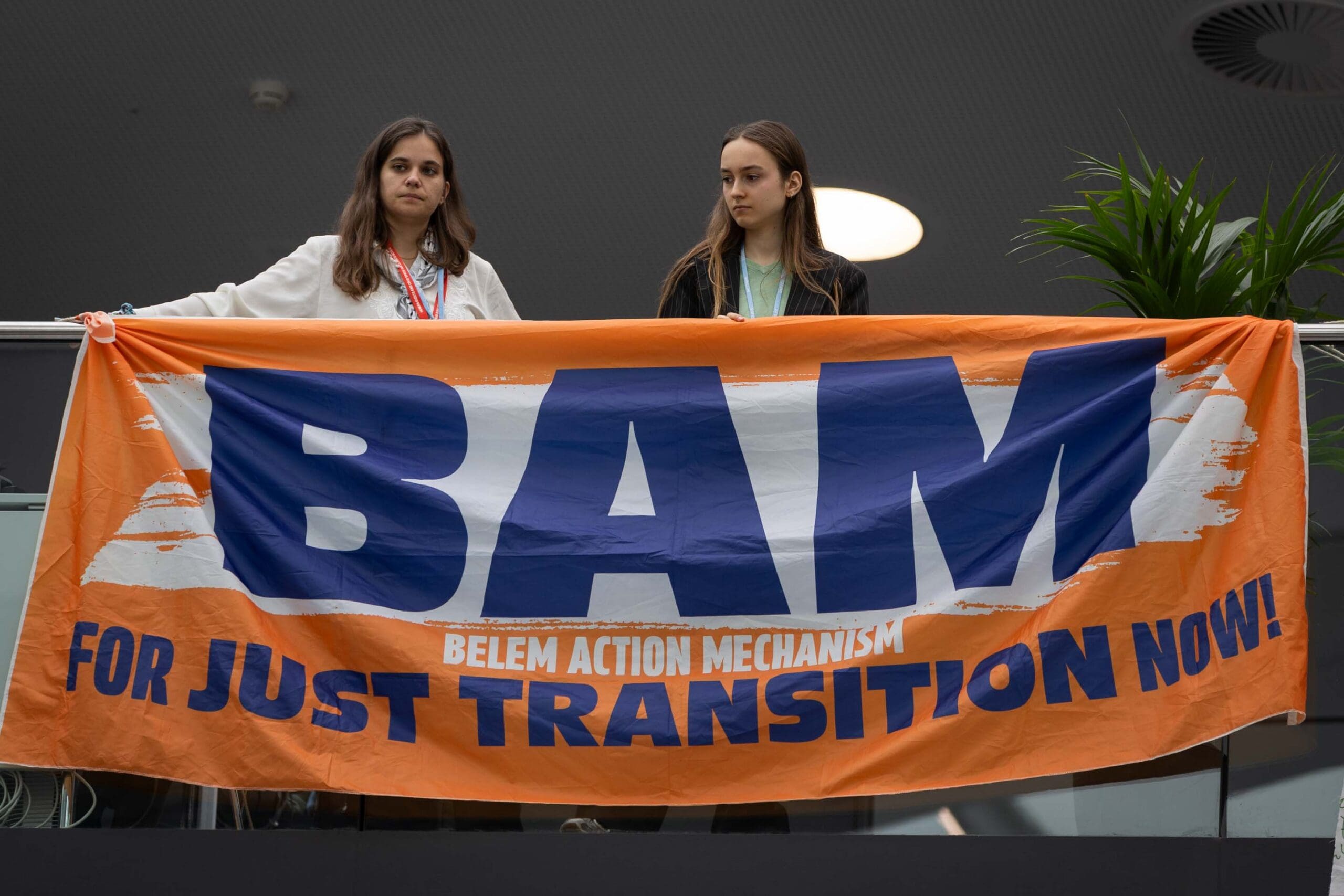
Underneath all the procedural wrangling, there was some real movement on the mechanism itself. This is now commonly referred to by civil society observers as the Belém–Antalya mechanism (BAM)—referring to the two COP presidencies that will have overseen its birth—in a small pivot from its previous label of the Belém Action mechanism throughout 2025.
Groups of developing countries arrived in Bonn with their elaborated proposals for the BAM. The African Group called for a fully constituted body that has the authority to issue normative guidance across all means of implementation—a position it has stated as being non-negotiable. The G77 and China proposed 10 guiding principles, anchored in equity and common but differentiated responsibilities, and a set of core functions built around international cooperation, technical assistance, and knowledge-sharing. The Alliance of Small Island States (AOSIS) favoured a leaner, expert-driven technical body that would match developing countries’ needs to existing UNFCCC institutions, while the Least Developed Countries (LDCs) and the Independent Association of Latin America and the Caribbean (AILAC) each pressed for governance structures that combine a political tier and an implementation tier.
Developed countries took a more cautious line, repeatedly citing the UNFCCC’s budgetary constraints as a reason to avoid a new, heavily institutionalised body. Norway and Canada argued for building on existing arrangements rather than creating new ones; the United Kingdom and Canada both said explicitly that the mechanism should not become a new financing channel; and the European Union, pointing to the crowded institutional landscape shown by the secretariat’s mapping exercise, argued that the real problem was fragmentation rather than any shortage of bodies, and that the mechanism’s role should be to coordinate rather than to duplicate. Japan went further, insisting that discussions should “start with the mapping” to establish whether a new mechanism was even necessary before turning to its functions—a sequencing that India and other developing countries rejected outright, arguing that the mapping was never meant to be a precondition for the mechanism’s development and that the mandate to operationalise it had already been settled in Belém.
These differences were not resolved in Bonn, and they weren’t expected to be. What did happen, however, was that the co-chairs tabled an informal note organising the many proposals into a structured, but still non-exhaustive, set of clusters: context; purpose; functions; modalities and governance; timelines; and links to the JTWP.
Most delegations—including the African Group, the AILAC, the AOSIS, Brazil, the EIG, Japan, and Norway—welcomed the note as a workable basis for further discussion, although the Arab Group and Saudi Arabia stressed that it carried no formal status and did not reflect their priorities. With little time left before the close of the session, the co-chairs deliberately narrowed the ask by inviting parties to comment only on whether the note’s overall structure was a useful basis for further work, rather than opening up discussion on the substance of the individual clusters. The note was ultimately added to the SB 65 agenda as an input rather than a negotiating text, along with an explicit disclaimer that the note does not represent a basis for further negotiations and does not pre-judge anything (a near-identical caveat and procedural path to the informal note that emerged from Bonn in 2025—which went on to feed a successful outcome at COP 30).
Two elements from this year’s note stand out. With regard to timelines, several groups of developing countries floated a phased build-out running from design in 2026 through institutional establishment in 2027 to scaled implementation by 2028–2030; this indicated that whatever its eventual form, the mechanism is being conceived as a multi-year undertaking rather than as something that switches on at COP 31. With regard to the mechanism’s functions, there was more convergence than the surrounding governance debate might suggest: knowledge-sharing, technical assistance, capacity-building, and support for integrating just transition considerations into nationally determined contributions (NDCs), national adaptation plans, and long-term strategies featured across almost every proposal—developed and developing alike.
Old Fault Lines Remain, but Aren’t Derailing Progress
Two familiar fault lines resurfaced once again in Bonn. Developing countries raised concerns about the impact of unilateral trade measures, such as the European Union’s Carbon Border Adjustment Mechanism on food security, fertiliser prices, and export competitiveness. The European Union pushed back firmly, arguing that such measures are domestic climate policy rather than trade measures, that the UNFCCC has no mandate to assess individual parties’ policies, and that the appropriate forum would have been the climate and trade dialogue agreed in Belém, not the JTWP. Alongside this, in discussions over how scientific research should inform just transition pathways and NDC ambitions, India set out in detail an equity-based reading of the remaining global carbon budget, arguing that no current NDC of a developed country is consistent with a fair-shares interpretation of the Paris temperature goals. This prompted several developed countries to stress that the Intergovernmental Panel on Climate Change (IPCC) findings should not be treated as negotiable.
A smaller, more procedural disagreement broke out on the session’s final day over intersessional work ahead of SB 65. The African Group, backed by several developing countries, wanted a dedicated space at the sixth JTWP dialogue to advance mechanism discussions specifically. The European Union resisted, noting that the sixth dialogue already has a defined technical topic and appeals to a different set of experts. The compromise that emerged was to invite the SB chairs to “consider informal intersessional work… in appropriate formats subject to the availability of financial resources.” This is deliberately general, leaving the format—and, indeed, whether it happens at all—to be worked out later.
The Road Ahead to Antalya
SB 64 leaves the JTWP on two parallel tracks: a review process now formally underway, and a mechanism design that carries forwards through the informal note’s clusters—with parties aiming to bring a recommendation for a decision to COP 31 in November 2026.
Neither track answers the two questions that will ultimately decide the mechanism’s shape: what kind of institution it should be, and who will pay for it? When it comes to governance, the gap between a constituted body with normative authority and a lighter, facilitative network built on existing structures remains the same as it was at the start of the session. On finance, developing countries are continuing to insist that just transition support cannot rest on dialogue and technical assistance alone, while several developed countries have ruled out the mechanism becoming a new financing channel.
Although there is still much work to do, Bonn did produce a shared structure: a clear set of clusters—governance options, functions, and timelines—to work from. In Antalya, the parties will have to replicate their accomplishment in Belém by turning that structure into a concrete decision that all can agree to.
Related Posts
Stay Informed and Engaged
Subscribe to the Just Energy Transition in Coal Regions Knowledge Hub Newsletter
Receive updates on just energy transition news, insights, knowledge, and events directly in your inbox.