
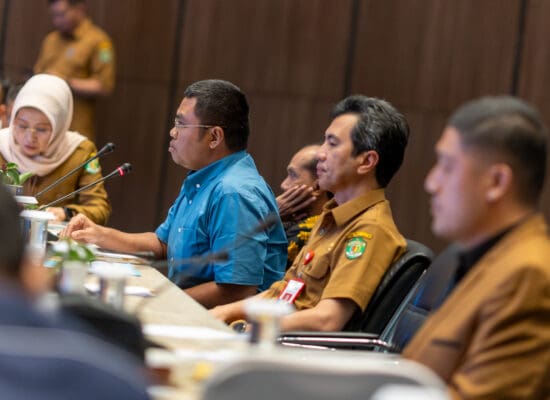
Vision Workshop
A Greener Future: How do young people in East Kalimantan imagine life beyond coal?
Country:
Indonesia,
Organisation:
IISD,
Wuppertal Institute,
As a long-term process, the energy transition will influence the lives of today’s young people more than it will affect those of older generations. It follows that young people should play a role in shaping the transition: their views, hopes, and dreams should be part of planning for the future. Yet involving young people in consultation processes isn’t easy. With less knowledge of the current system and how to go about changing it, they might not feel qualified to speak up to high-profile representatives or to present ideas that may be perceived as idealistic and not backed up by decades of life experience.
But engaging with young people is necessary. It’s their future, and they should be heard. If we fail to involve them, we risk missing out on innovative ideas we might otherwise not have considered.
Amplifying young voices through the IKI JET project
The Innovation Regions for a Just Energy Transition (IKI JET) project supports just energy transitions away from coal in regions across South America, South Africa and Asia. One way it is doing this is through creating regional consultation forums (RCFs) in the coal-dependent provinces of East Kalimantan and South Sumatra in Indonesia. These RCFs allow diverse stakeholders in the transition, including local government, coal company representatives, Indigenous Peoples, coal mine workers, and various civil society stakeholders, to come together in dialogue. Despite the success of these forums so far, however, bringing young people into this process is difficult—too big are the imbalances in knowledge, resources, power, and mandate.
Therefore, a safe space in which young people can discuss their views on the future of their region is needed. To this aim, in October 2025 a workshop jointly organised and hosted by the Wuppertal Institute and INCREASE in Samarinda, East Kalimantan, brought together six young women and five young men between the ages of 16 and 20. The objective was to think and talk about their visions for the future of East Kalimantan without coal or palm oil extraction. These young Samarindans, selected on the basis of their engagement at school, were invited to share their wishes, hopes, ideas, and concerns about the future.
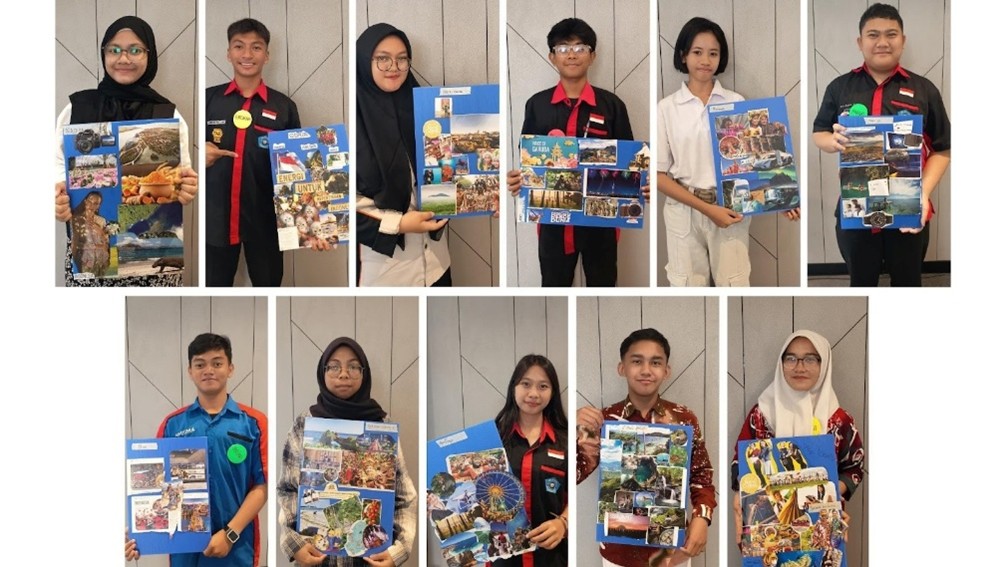
Workshop takeaways: beyond the division of nature and culture
The eleven participants did not subscribe to the predominant division of nature and culture as separate systems. Instead, they developed visions of East Kalimantan where both the natural heritage of the region and its cultural heritage are valued and fostered. This included the preservation of intact ecosystems and the reforestation of degraded land, as well as efforts to include Indigenous languages in the school curriculum.
The participants felt rooted in both the natural environment and the cultural environment of their region, thus contradicting stereotypes of rootless, globalised adolescents.
Their interest in conservation is not to be confused with naivety. On the contrary, they saw their future in ecological and cultural strength as well as in the strength of innovation. Many of the participants proposed strengthening education in East Kalimantan so that future generations will be able to compete and innovate in sectors such as industry and artificial intelligence.
Throughout the session, calls for improving the state of schools and universities across the province showed that young people want to learn and to apply their knowledge and skills in a variety of sectors in the future.
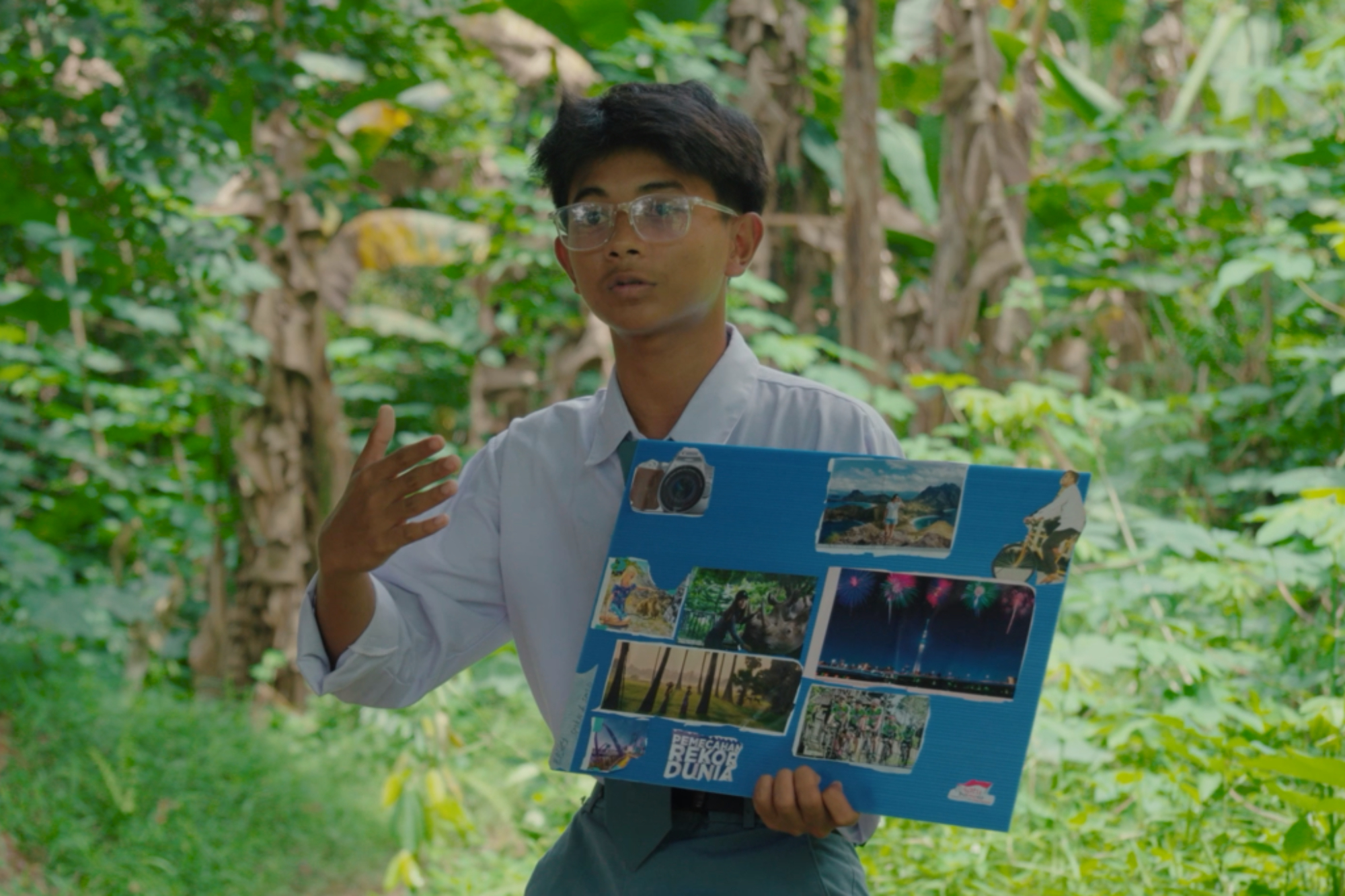
Workshop takeaways: intertwining of personal and world futures
The participants of the workshop didn’t see the energy transition as something abstract or far away, but as something that is connected to their own personal aspirations and visions of the lives they want to live.
One example is the recurring theme of the desire to become a valuable and contributing member of society by 2050. Specific aspirations included becoming an entrepreneur in the environmentally friendly automotive industry and becoming a professional photographer to immortalise precious moments, especially within East Kalimantan.
This demonstrated that the participants’ individual morals and ambitions to decarbonise Indonesia’s future economy were linked through personal ambitions and regional embeddedness.
A just transition is not only about changing economic structures, but about ensuring that all relevant groups—especially young people—have equal opportunities to be heard and to actively shape the future of their region.
To give members of the Regional Consultation Forum in East Kalimantan insight into what young people really think, a short video captures glimpses of their visions, hopes, and fears for the future. These testimonies are too important to overlook.
Related Posts

Stay Informed and Engaged
Subscribe to the Just Energy Transition in Coal Regions Knowledge Hub Newsletter
Receive updates on just energy transition news, insights, knowledge, and events directly in your inbox.