

In coal-dependent regions, “just transition” is a practical question about livelihoods, territorial development, and trust: who participates in decisions, who bears the costs of decarbonisation, and who benefits from the opportunities that follow.
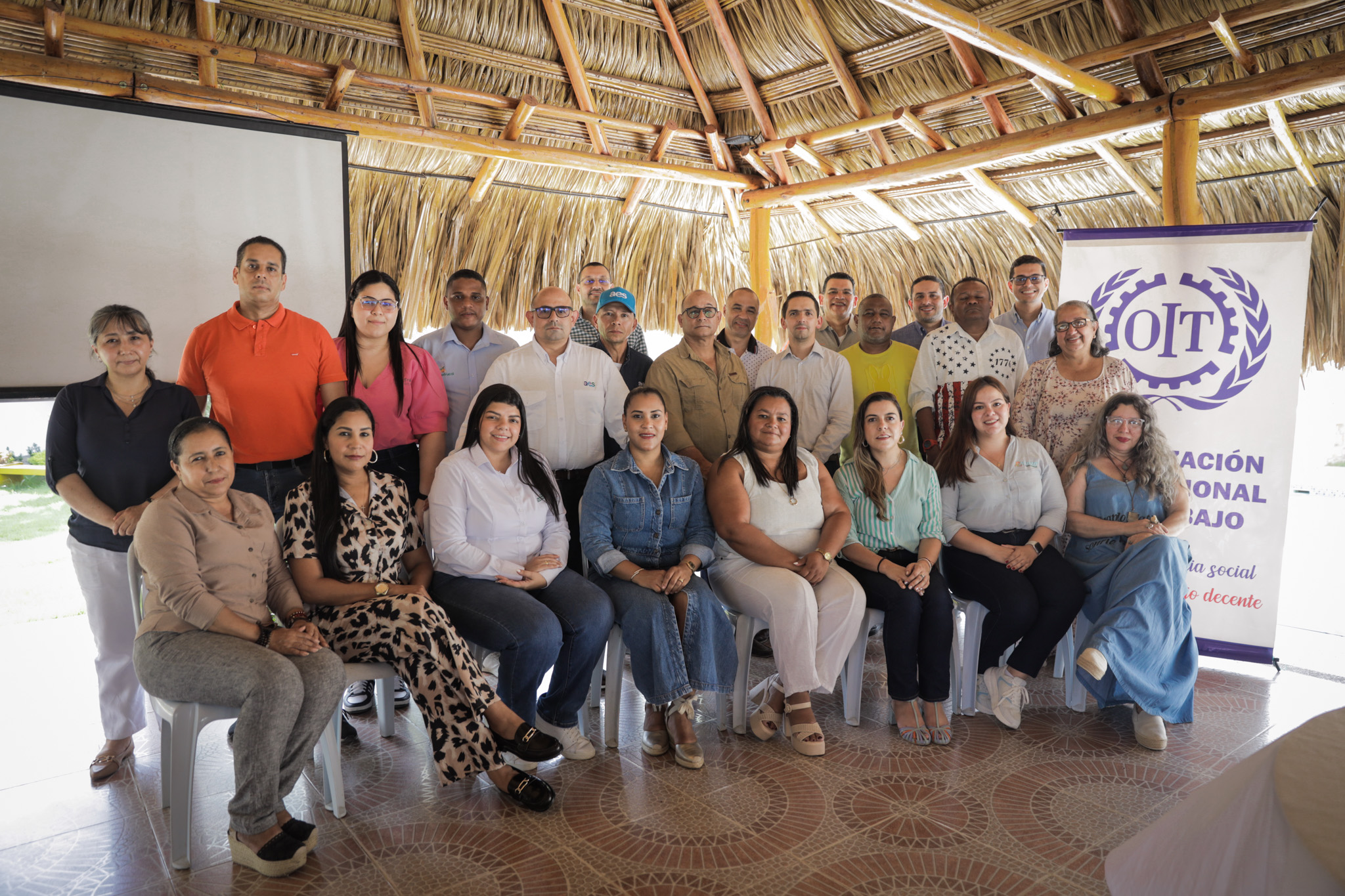
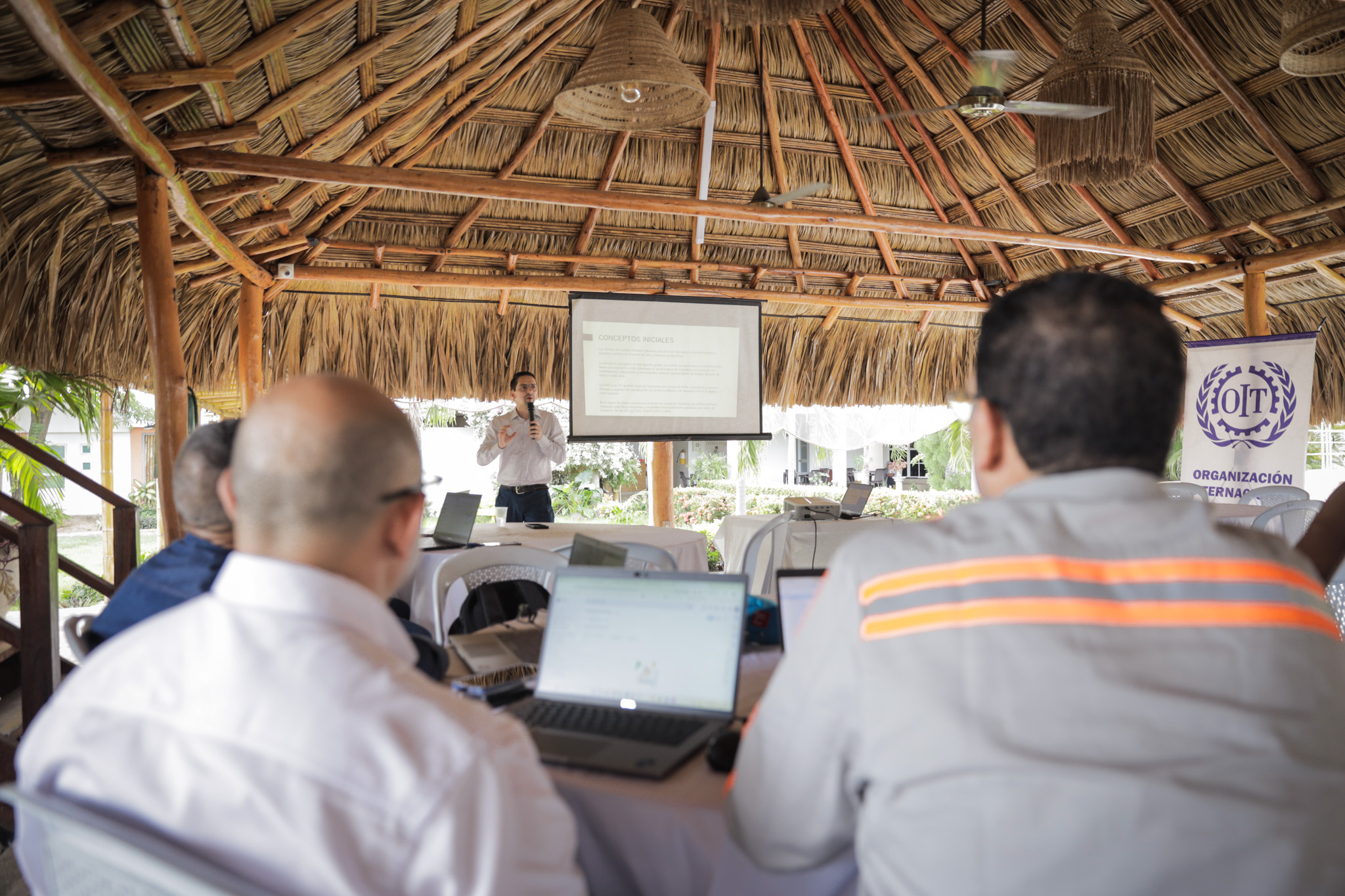
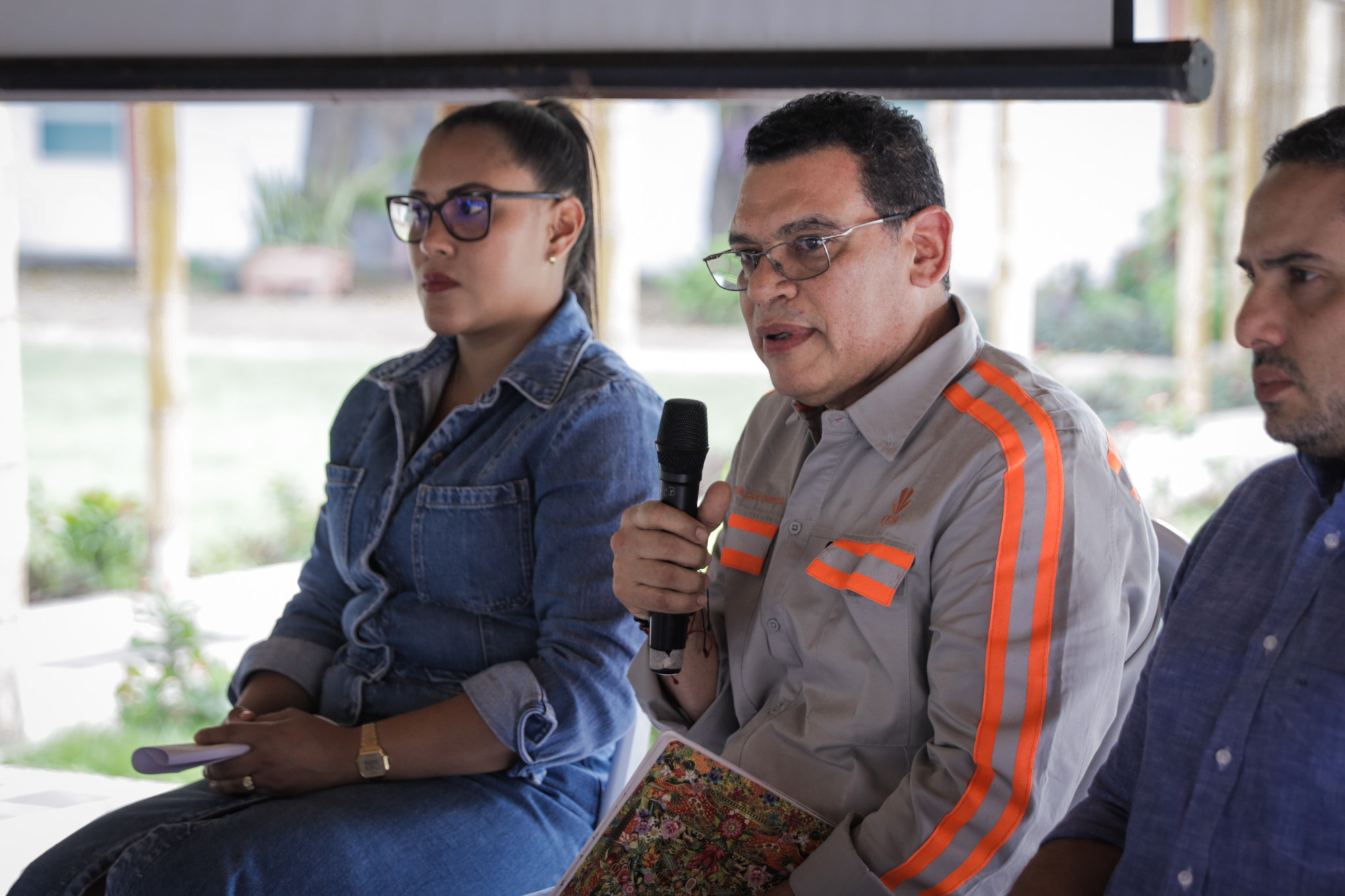
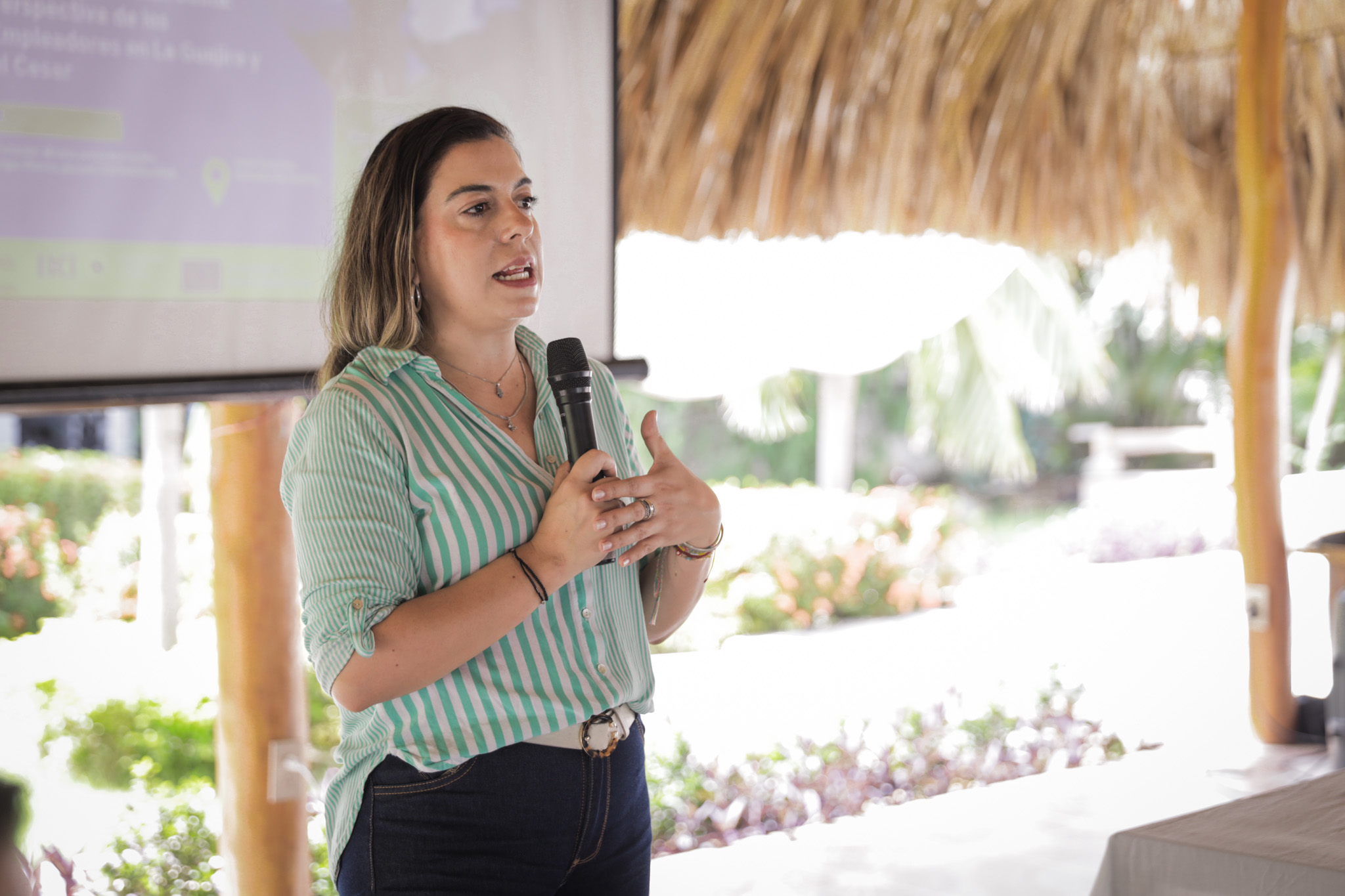
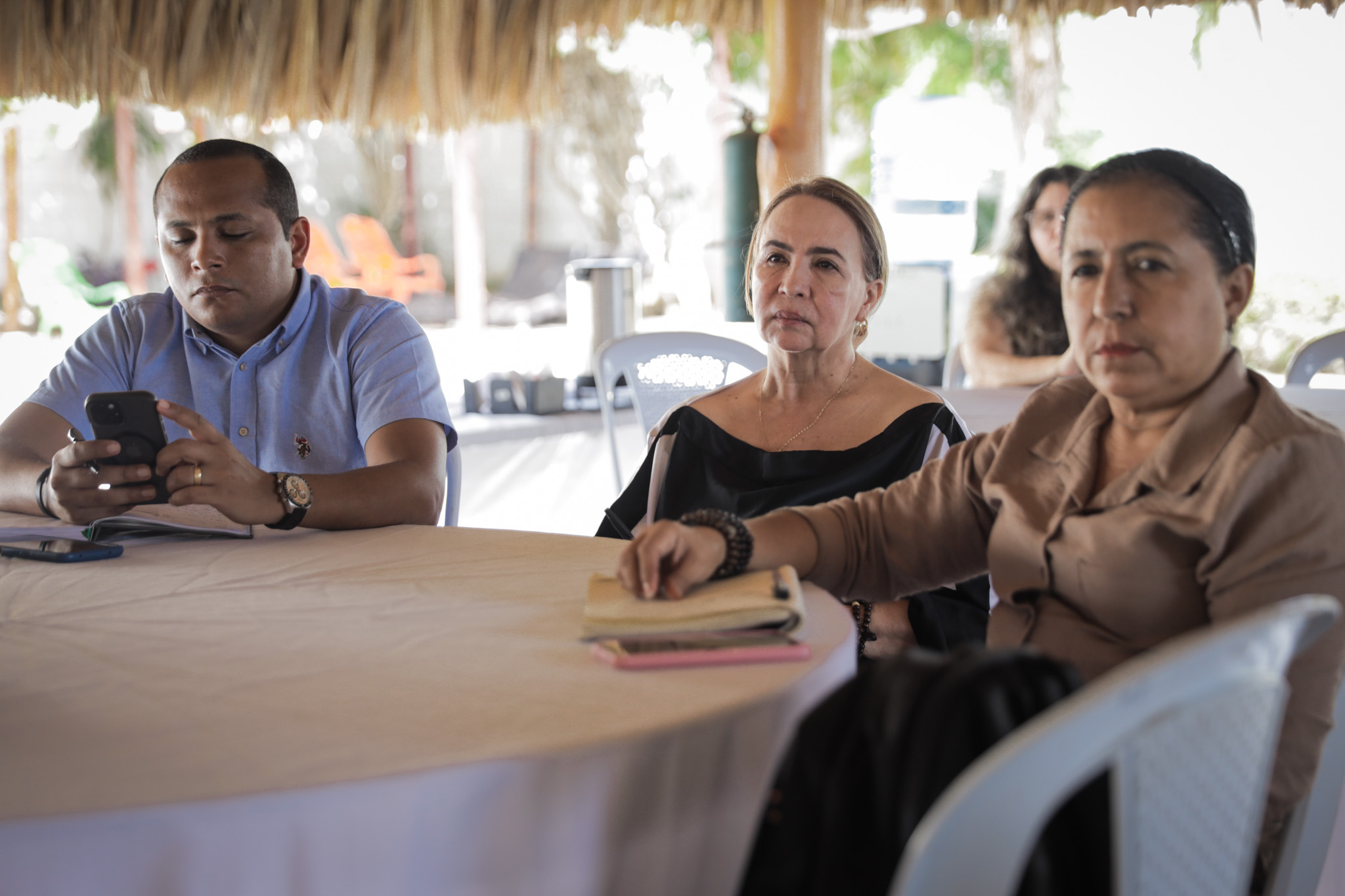
In Riohacha (La Guajira), on 13–14 November 2025, the International Labour Organization (ILO) facilitated a discussion about two new position papers on just transition—one led by business actors and another led by trade union confederations. The exchange brought together stakeholders including the National Business Association of Colombia (Asociación Nacional de Empresarios de Colombia [ANDI]), and the main trade union federations (Central Unitaria de Trabajadores [CUT];]), Colombia’s Ministry of Labour, and territorial actors, with support from the Innovation Regions for a Just Energy Transition (IKI JET) project financed by the Government of Germany. Developed through technical work that began in 2024, the documents show how workers and employers in Colombia’s most mining-dependent territories interpret the transition, and where common ground exists for moving from principles to action.
Why these two territories matter
Cesar and La Guajira have historically been Colombia’s core coal-producing departments, responsible for most thermal coal exports. Their economies remain highly dependent on mining and energy activities, while their labour markets are fragile: unemployment is persistently above the national average, and the local productive sectors have limited capacity to generate formal jobs.
Informality is central to the just transition equation: when most people work without stable contracts or social security, mine closures and restructuring can quickly translate into insecurity and emigration. At the same time, trade unions stress a critical imbalance: coal’s dominance in regional GDP does not translate into wider employment, reinforcing an enclave dynamic—concentrated value creation with limited local job multipliers.
National climate agenda, local consequences
The Riohacha dialogue is unfolding in the context of Colombia’s climate commitments, including its updated nationally determined contribution (NDC 3.0) and its long-term climate strategy (E2050), both of which outline a pathway towards deep decarbonisation and carbon neutrality by 2050.
For coal territories, the questions are immediate: how quickly will economic activity decline? What happens to fiscal revenues and local supply chains? How are alternative sectors built? And what social and labour protections will accompany the shift? In this context, just energy transition (JET) is increasingly treated as a guiding principle—linking coal phase-down, clean energy expansion, and social support for workers and communities.
The trade union agenda: rights, protection, reconversion, repair
The trade union position paper prepared by the main trade union federations (CUT, CTC and CGT) in collaboration with sectoral unions and with support from the ILO, frames just transition as a rights-based transformation rather than a purely technological shift. It argues that decarbonisation must address differentiated impacts on rural communities, Indigenous Peoples, Afro-descendant communities, women, children, and older people, and that “green” pathways can actually reproduce past and existing dynamics of extractive activities if rights and territorial needs are sidelined.
The proposals in the position paper cluster around five pillars:
1. Social dialogue grounded in freedom of association and good faith, strengthening collective bargaining and tripartite dialogue.
2. Social protection for people affected by mine closures, with targeted measures for unemployment, occupational health burdens, and pension risks. These include proposals for special unemployment insurance; early retirement for open-pit workers; and a Tripartite Just Transition Fund, financed by contributions from the state, companies, and international coal buyers, intended for subsidies, training, occupational health, and community projects.
3. Labour reconversion through training and redeployment into new sectors, addressing gaps in local training supply and weak coordination. Past experiences in mining areas are cited as evidence of what happens when transition routes are absent.
4. Economic diversification via decent work strategies, solidarity economies, and sector strengthening (e.g., agriculture, ecotourism, and traditional activities, such as the Manaure salt economy).
5. Comprehensive reparation that goes beyond compensation, supported by an official census of labour, social, and environmental harms and by a territorial reparation plan.
The paper also underscores the need for Free, Prior and Informed Consent (FPIC) consistent with ILO Convention 169 for both new projects and mine closures, given their long-term impacts.
The business agenda: clear rules, a roadmap, and territorial governance
The business position paper was developed through a process of training, dialogue, and coordination among companies in Cesar and La Guajira (from September 2024 to October 2025), drawing on the ILO’s Just Transition Framework and relevant national policy instruments. It starts from a pragmatic premise: climate impacts and decarbonisation pressures are reshaping productive systems, and development models must adapt while strengthening formal employment.
For business actors, just transition should maximise opportunities while minimising risk through effective social dialogue. The paper highlights six enabling conditions: productive diversification (leveraging existing assets to build new sectors); regulatory clarity and legal certainty; an orderly and gradual roadmap aligned with territorial development and cultural diversity; continuous dialogue to build trust; governance structures with defined responsibilities; and alliances among government, companies, academia, and international cooperation.
The business position paper encourages communication to counter misinformation about the consequences of climate change, innovation to reduce emissions, and clarity on employment opportunities across project phases. It also flags constraints: institutional weakness, poor intersectoral coordination, security challenges, and limited transparency on transition impacts. These are set out alongside opportunities linked to renewable resource potential, agribusiness, tourism, and circular economy pathways.
Where they converge: five shared priorities
Although the documents were produced independently, they show clear convergence across five areas:
- Effective social dialogue with broad territorial participation
- Economic diversification as the structural axis of transition
- Training and labour certification for emerging sectors
- Formalisation as essential to expand social protection coverage
- Recognition of the multicultural character of Cesar and La Guajira
This convergence is significant in territories where informality is pervasive and coal dependence is structural. Social dialogue becomes the mechanism for coordinating productive transformation, labour policy, and climate action—while reducing the risk that the transition is experienced as imposed, opaque, or unfair.
What comes next?
The position papers serve as technical inputs for tripartite and multi-actor processes led by the Ministry of Labour and other national and local institutions. They provide an opportunity to convert alignment into negotiated, implementable programmes. Three immediate priorities stand out:
1. Institutionalise dialogue with clear mandates, representation, and decision rules, and link outcomes to budgeted territorial plans.
2. Agree on a simple transition dashboard—jobs formalised, people trained and certified, social protection coverage, diversification investments, and community participation indicators—to track progress transparently.
3. Design “bridge” measures for informality, pairing medium-term diversification with near-term protections for households that are most exposed to transition shocks.
Through this dialogue, Cesar and La Guajira have taken a significant step forwards: organised actors have articulated proposals and identified common ground. The test ahead is whether governance can translate that common ground into tangible improvements for workers and communities.
Read the trade union position paper here [Spanish] and the business position paper here [Spanish].
For further context, read ILO’s analysis of strategic sectors for productive diversification in the departments of Cesar and La Guajira, Colombia, based on the ILO Sector Selection methodology, here [Spanish].
Related Posts
Stay Informed and Engaged
Subscribe to the Just Energy Transition in Coal Regions Knowledge Hub Newsletter
Receive updates on just energy transition news, insights, knowledge, and events directly in your inbox.