
Report
The Gender-Energy Nexus: Evidence and gaps in Colombia’s coal transition
This report examines the gender and intersectional dimensions of coal mining and phase-out in Cesar, Colombia, drawing on a literature review, stakeholder mapping, and interviews with community leaders, NGO members, and government representatives across five municipalities.
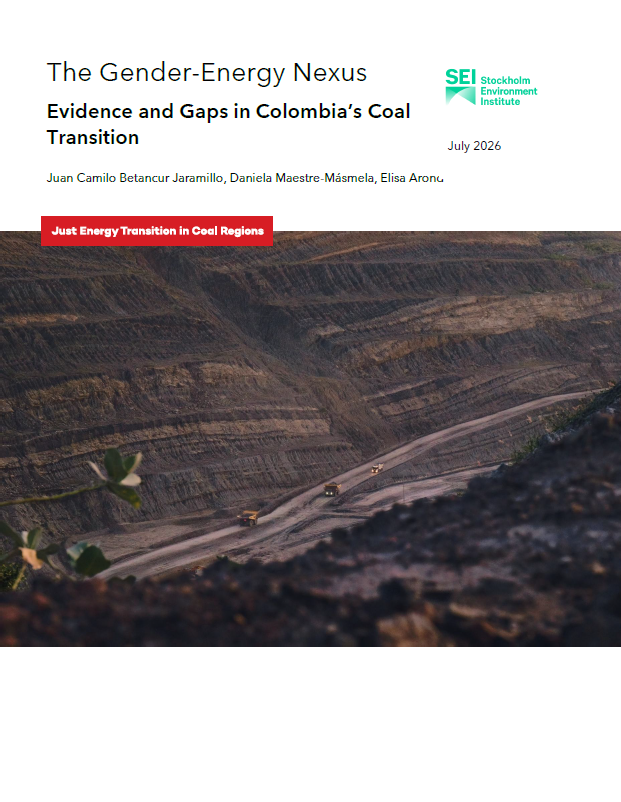
The findings reveal that coal mining produces and reinforces deeply entrenched patriarchal structures that shape who works (and in what types of labour), who participates in decision-making, and who bears the costs of transition. Women were confined to informal, precarious, feminised labour surrounding mining, while LGBTIQ+ people were excluded from formal employment through discriminatory hiring, gender policing, and the criminalisation of claiming rights. Armed conflict compounded these exclusions, exposing women and LGBTIQ+ defenders to serious risks for their advocacy.
This report identifies interconnected policy and research priorities for truly just transitions away from coal. Policy priorities include extending focused support to informal and feminised economies, embedding intersectional analysis in mine closure processes and regulation, strengthening protection mechanisms for human rights defenders, and adopting a long-delayed Public Policy for Women. Research priorities include developing frameworks for understanding how energy transitions affect LGBTIQ+ people, operationalising gender and intersectionality beyond binary gender frameworks, and generating longitudinal evidence on post-closure impacts.
Related Posts
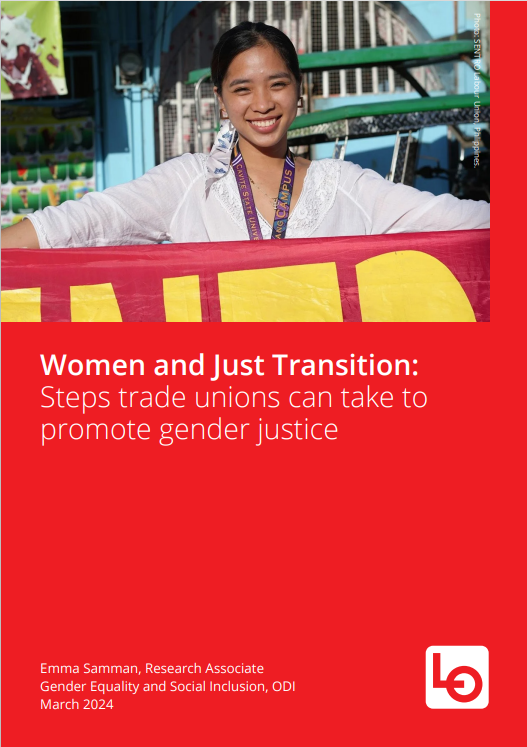
Women and Just Transition: Steps trade unions can take to promote gender justice
Reports
- Colombia
- Ghana
- Peru
- Philippines
- Thailand
April 8, 2024
Stay Informed and Engaged
Subscribe to the Just Energy Transition in Coal Regions Knowledge Hub Newsletter
Receive updates on just energy transition news, insights, knowledge, and events directly in your inbox.