
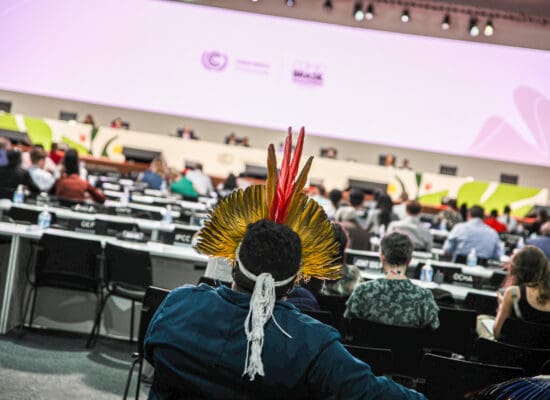
How can regional consultation forums, innovation labs, foresight exercises, community radios, and training and communication initiatives help coal-dependent territories shape their own futures beyond coal?
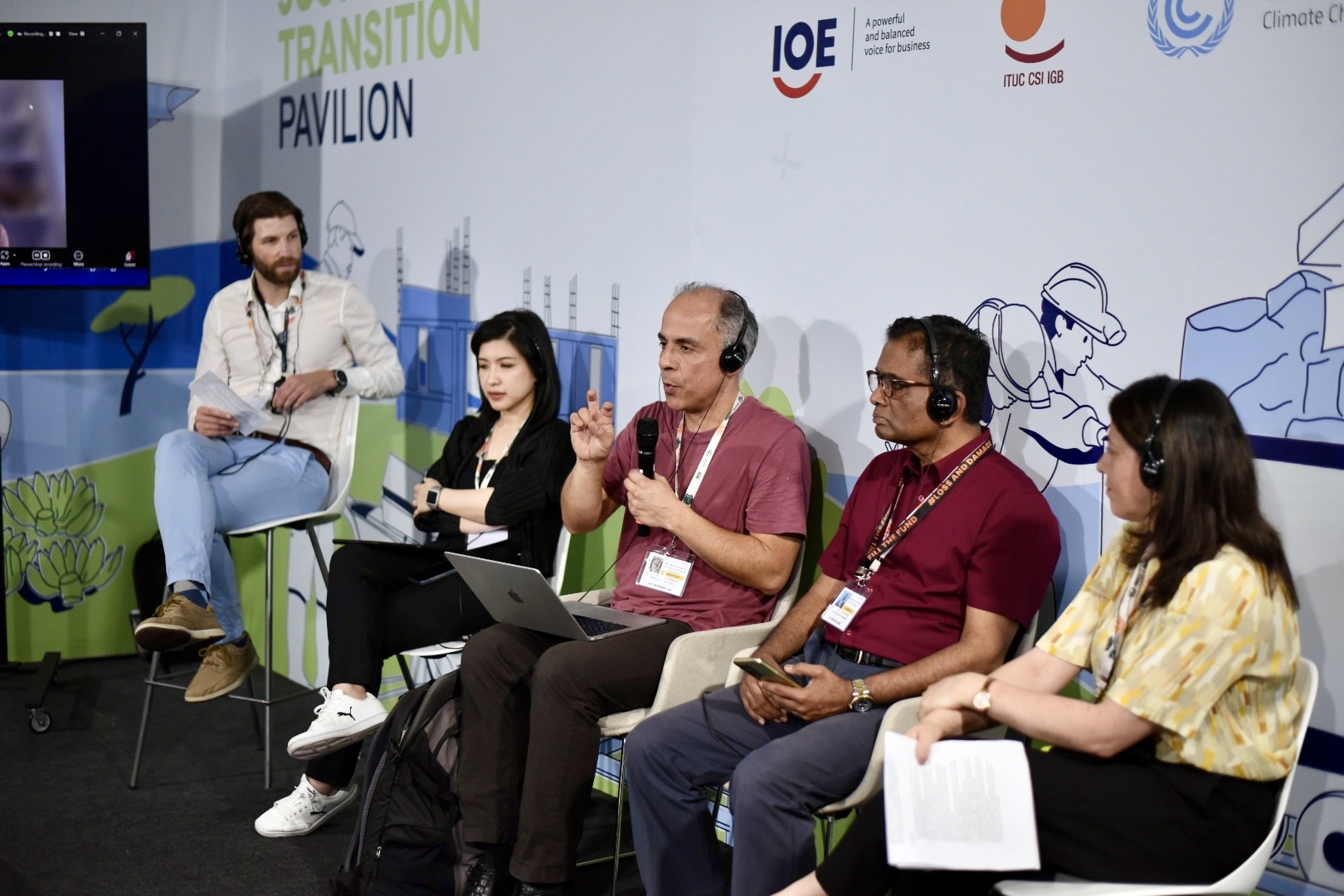
These were among the topics discussed at the Innovation Regions for a Just Energy Transition (IKI JET) project’s annual COP event hosted at the Just Transition Pavilion in Belém, Brazil, on 18 November 2025. Moderated by Jonas Kuehl from the International Institute for Sustainable Development (IISD), the event brought together representatives from governments, international organisations, workers’ organisations, civil society, and research institutes to share practical experiences of advancing just transition in coal regions. By spotlighting experiences from Colombia, Indonesia, and Thailand, the panel showed that locally driven participatory approaches can turn the concept of just transition into concrete processes, projects, and outcomes.
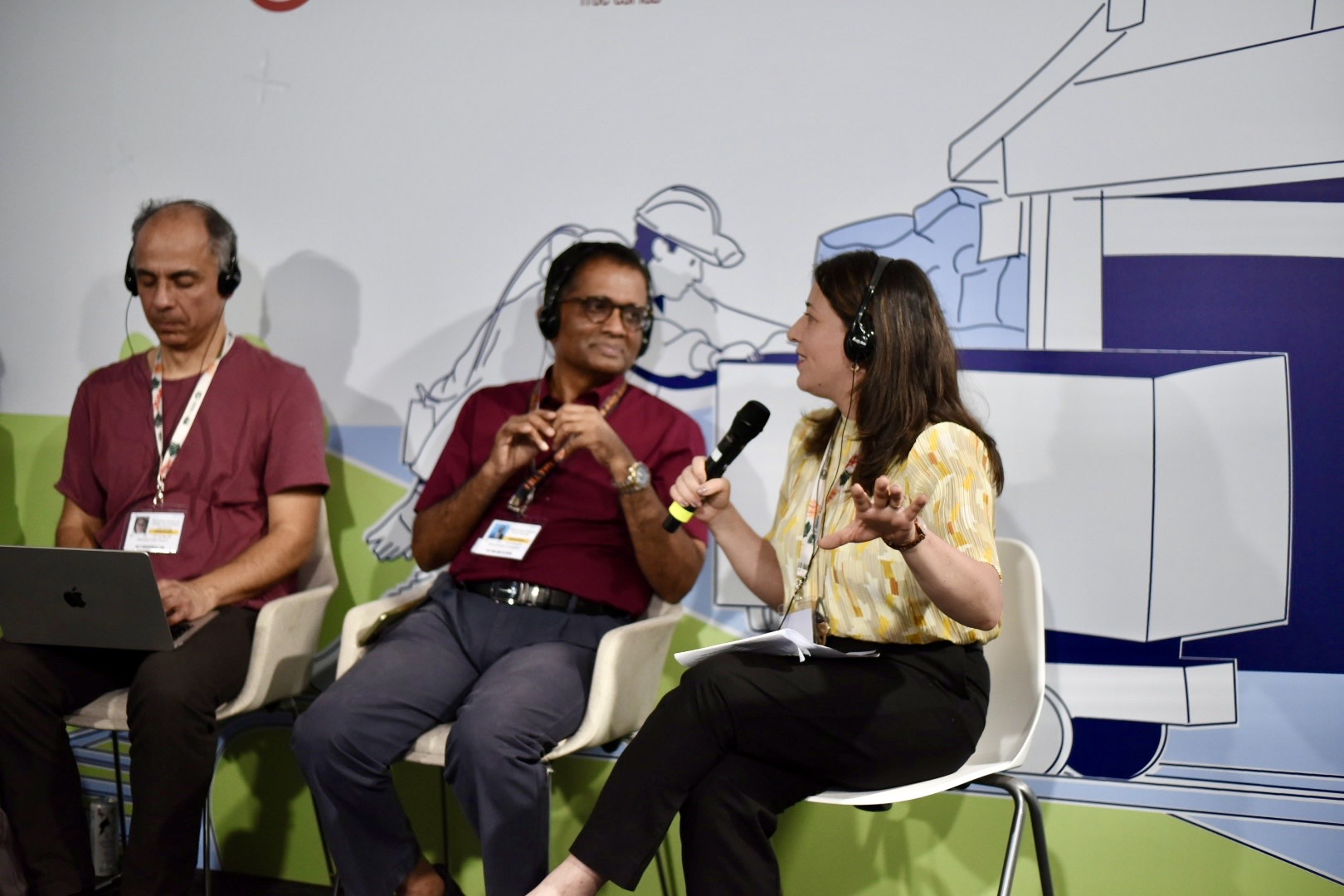
Drawing on experiences from Indonesia and Colombia, Blanca Patiño, Green Jobs and Just Transition Specialist at the International Labour Organization (ILO) for Latin America and the Caribbean, explained that regional consultation forums and social dialogue platforms have been crucial for helping territories to articulate where their future economic development should come from; to identify the types of skills workers will need as they diversify away from mining; and to begin shaping the foundations of tripartite governance that brings together workers, employers, governments and, in Colombia’s case, Indigenous authorities.
She underscored that just transition requires patience, strengthened institutions, and sustained engagement, especially in regions where mining has shaped identities for generations. Responsibilities for steering the transition are often split between national ministries that set broad commitments and the local authorities that must implement them, yet the link between these levels remains weak. In departments like Cesar and La Guajira in Colombia, existing dialogue forums lack the mandate or resources to guide decision-making, and local groups—including associations of ex-miners—may have promising ideas but struggle to develop them into viable, fundable projects. These challenges are further complicated by the legacy of conflict and social fragmentation.
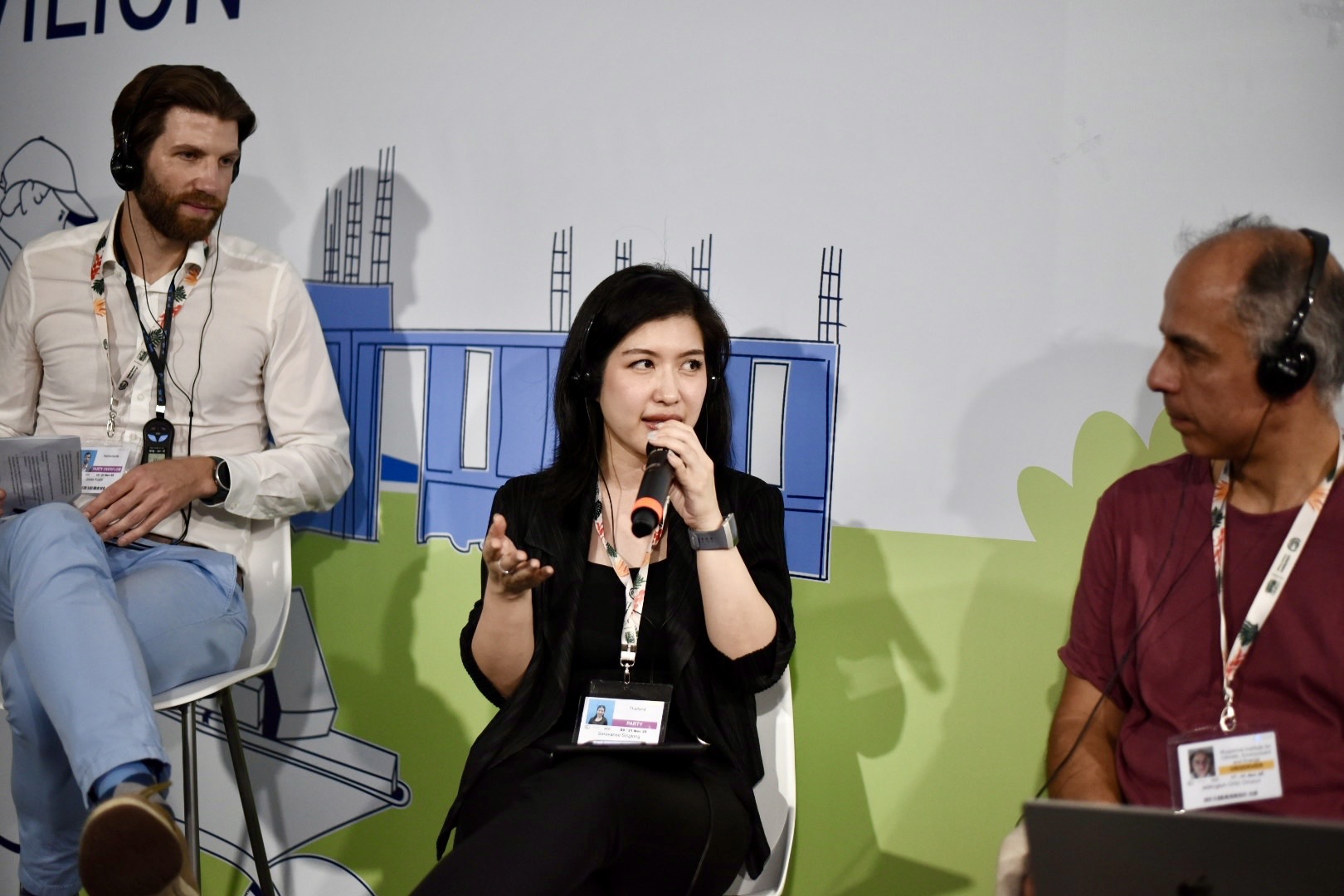
Saravanee Singtong, Director of the Sustainable Policy Division at Thailand’s Office of National Higher Education Science Research and Innovation Policy Council (NXPO), explained how Thailand is using foresight and innovative policy tools to guide coal regions through transition. As secretariat to a high-level “super board” chaired by the prime minister, NXPO works across ministries and with state-owned enterprises such as the Electricity Generating Authority of Thailand (EGAT) to design long-term transition pathways.
Singtong outlined pilot initiatives, such as the Mae Moh model in Lampang Province, where coal-fired power has long shaped the local economy and identity. Through foresight exercises and regulatory “sandboxes”, NXPO is working with EGAT, ministries, local authorities, workers, and communities to co-create long-term transition pathways—looking 40 years ahead to imagine what the region could become after coal. She explained that this process must address practical issues: the need for substantial financing to retrain workers and support new business models; the challenge of helping employees move from coal-dependent industries into entirely different sectors; and the importance of rebuilding community trust after decades of coal providing jobs but also raising environmental and social concerns.
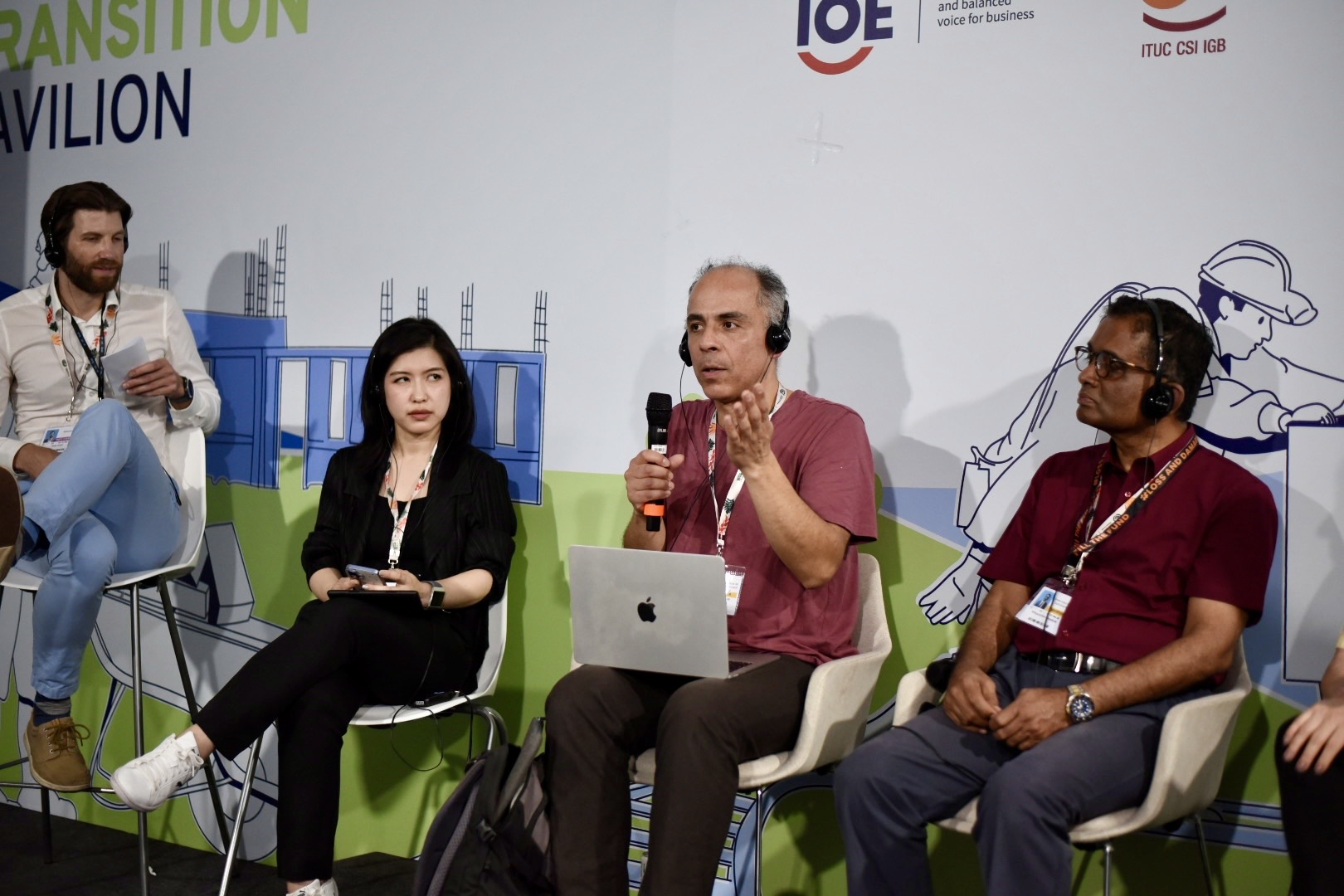
Willington Ortiz, Senior Researcher at the Wuppertal Institute for Climate, Environment and Energy, presented innovation labs implemented in Colombia’s Cesar department—a coal-mining region that has also been heavily affected by armed conflict. Using a transformative research methodology, the labs aim to inspire, initiate, and support multi-stakeholder processes around locally defined sustainability challenges.
Ortiz explained that the labs work through four phases—understanding, co-designing, experimenting, and co-evaluation—while integrating knowledge from local associations, farmers’ groups, and other actors. The work has identified promising local initiatives; for example, restoring dry tropical forest ecosystems using species whose seeds can also provide food and income. Ortiz noted that previously, many such groups had not been aware of each other’s efforts and that connecting them was an achievement in itself. He also underlined the importance of addressing the psychosocial wounds left by conflict, before emphasising how the just transition simulation game developed under the IKI JET project is helping people to “step into each other’s shoes” and engage in dialogue about the region’s future.
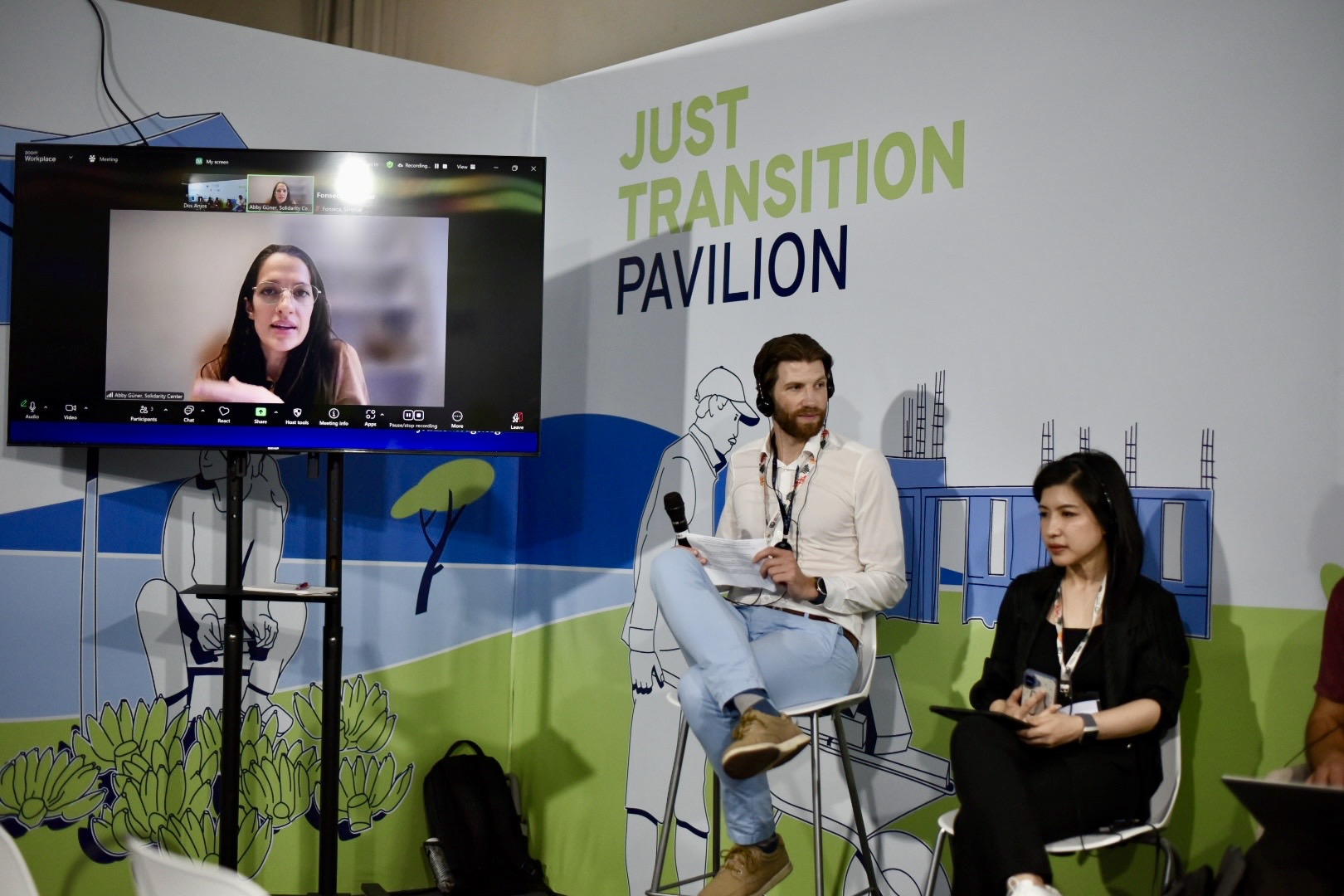
Speaking virtually, Abby Güner from the Solidarity Center presented worker-led engagement in Colombia’s coal regions of La Guajira and Cesar. She described how the coal workers’ union Sintercarbón is seeking to relaunch a community radio station as a platform for public debate and cultural expression around just transition.
Using their existing offices and radio infrastructure, the union, with support from the Solidarity Center, organised a tour across multiple towns over the summer, combining live music, public discussions, and on-the-spot broadcasting. The goal was to invite workers and community members to share their concerns and hopes about mine closures and territorial transition. Güner stressed that unions see workers as “whole people”—as both employees and members of the community—who are doubly affected by coal: through working conditions, and through the environmental and social impacts where they live. Initiatives like the radio station are helping to democratise discussions on just transition and counter the perception—seen in other coal regions—that transition is a top-down process imposed from the outside.
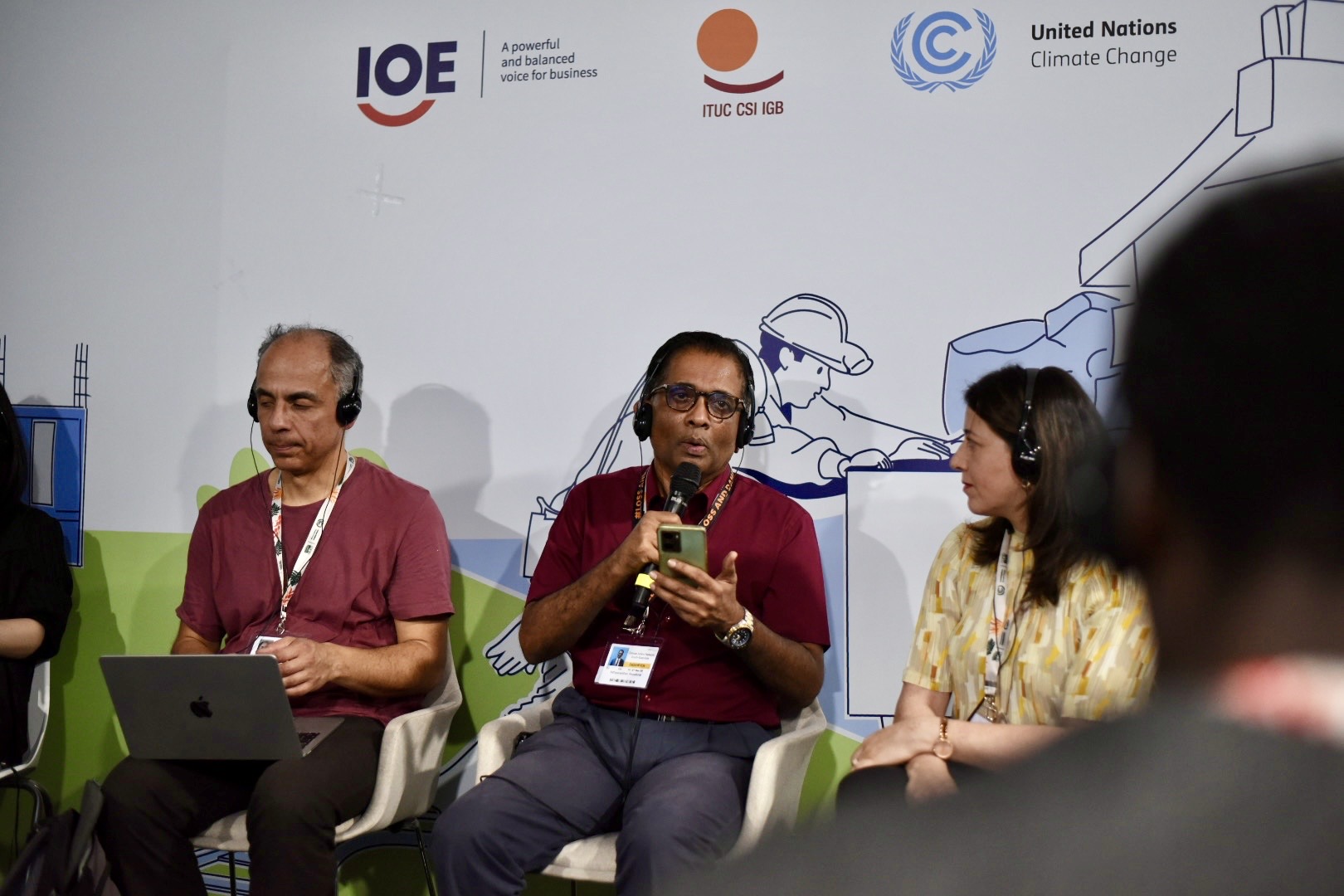
Nithi Nesadurai, Director of Climate Action Network Southeast Asia (CANSEA), shared insights from East Kalimantan, Indonesia, where the project has been supporting a broad set of community-based activities in areas affected by coal. He explained that the work began with extensive awareness-raising and focus group discussions, which revealed strong community interest in transitioning away from coal in response to health and environmental concerns. Training programmes were then designed around priorities identified by the residents themselves—such as eco- and edu-tourism; waste banks and plastic recycling innovation; solar power installation; micro, small, and medium-sized enterprise (MSME) development; and coffee and chocolate production.
Recognising early on that communication is “a core pillar, not an add-on”, CANSEA has formalised a partnership with one of East Kalimantan’s largest media outlets, broadcasting regular coverage of project activities and talk shows on just energy transition. These media efforts are complemented by youth-led engagement: the project helped to establish a group called Green Citizen, whose members now run weekly radio programmes, produce local content, and act as ambassadors for community participation.
In conclusion
Taken together, the event highlighted several converging lessons: just transition depends on inclusive governance and sustained social dialogue; locally rooted solutions must reflect what communities themselves see as viable pathways; and communication, culture, and psychosocial realities are central to the process, not secondary. While coal regions in Colombia, Indonesia, and Thailand differ in context, they share a need for platforms that enable workers and communities to co-design their future, supported by strong institutions and long-term partnerships.
Related Posts

Stay Informed and Engaged
Subscribe to the Just Energy Transition in Coal Regions Knowledge Hub Newsletter
Receive updates on just energy transition news, insights, knowledge, and events directly in your inbox.